15 Fun Facts About Northern Arizona You Probably Didn’t Know
Disclaimer: We are not paid to promote any restaurant, hotel, activity, product, or attraction. All opinions are subjective and based on our personal experience. Your experience may be different.

Northern Arizona is a unique area of the country which offers a drastically different climate, geography, and culture than that found in the Southern portion of the state. Although the area is most widely recognized for being home to the Grand Canyon, there really is so much more to see and do. After moving to the area and living here for 4 years (in gorgeous Flagstaff!), I quickly learned that the Grand Canyon state is really much more than just the Grand Canyon!
This is a region rich in history and diverse natural attractions, making it a fantastic tourist destination for outdoor enthusiasts and history buffs. I have seen so many stunning places since living here and hiked some really gorgeous trails. I recommend a trip out here for any hikers, history buffs, and photographers. Here are some interesting facts that you may not know about one of the Southwest’s most unusual and fascinating destinations.
1. The Grand Canyon is not the deepest canyon in the world
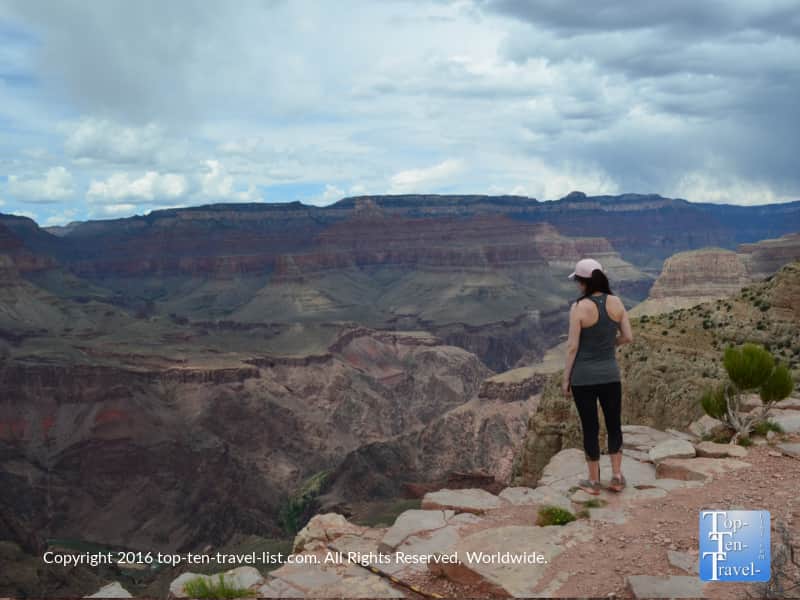
Surprisingly, the Grand Canyon is not the deepest in the world, nor the US. After some quick research, I found out that the Yarlung Zangbo Grand Canyon in Tibet is the world’s deepest at over twice the depth. In the US, Hell’s Canyon in Idaho is the deepest river gorge. However, at 277 foot long and 1 mile deep, and featuring an amazing array of colors, the Grand Canyon is one of the most mesmerizing sights in America.
I’ve taken many daytrips here from Flagstaff (a great base for a vacation) and enjoying exploring the various overlooks and the interpretative Rim trail. My favorite experience of all was hiking the canyon. An adventure along the South Kaibab trail is an amazing experience for any travel/fitness bucket list. This steep 3 mile trail takes you on an incredible journey through the heat of the canyon to Skeleton Point: an amazing overlok of the river.
2. Northern Arizona is one of the snowiest places in the US
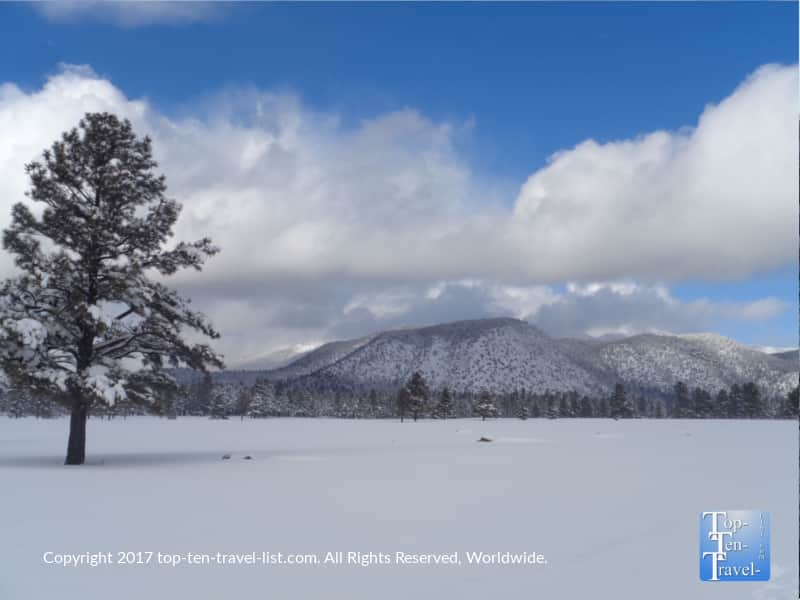
While Southern Arizona cities like Tucson and Arizona are amongst the driest in the country (less than 10 inches of rain per year on average), cities like Flagstaff see a dramatic 4 season climate which includes massive monsoons during the summer and plenty of snow during the winter.
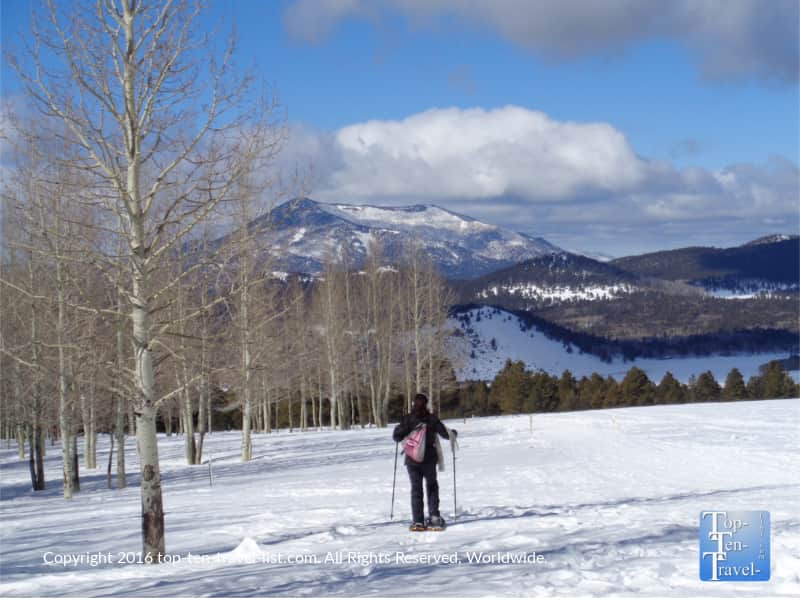
Flagstaff is one of the top 5 snowiest cities in the country. More than 100 inches of snow fall down on the city each year. The high altitude trails see even more! Luckily, there are plenty of winter recreational opportunities to keep you occupied throughout the long cold and snowy winter months. During my time living here, I took up snowshoeing and cross country skiing regularly.
The scenery is unreal after a blizzard – I always felt I was in my own private Narnia. For snowshoeing, I recommend the beautiful Aspen Nature Loop at Snowbowl, Buffalo Park, or Ft. Tuthill. The Nordic Center is a great choice for cross country skiing: the trails are nicely groomed with lovely views of the ponderosa pine forest.
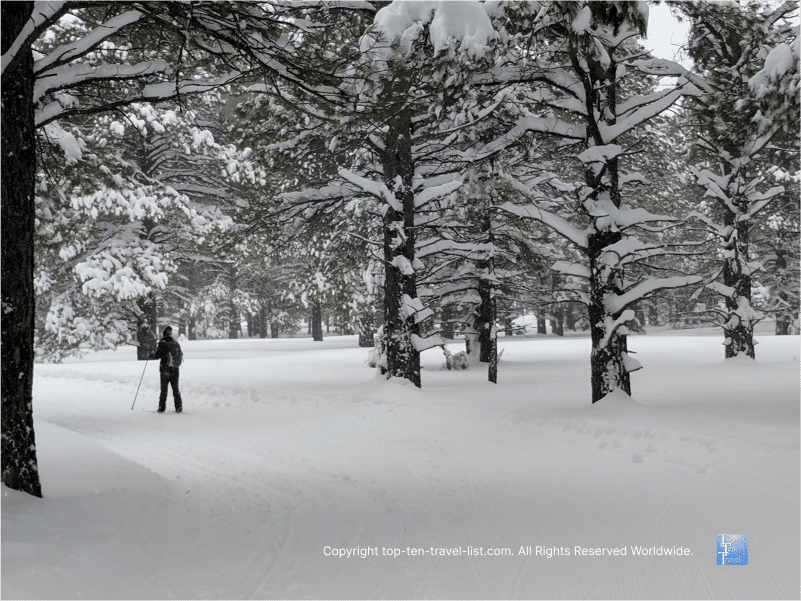
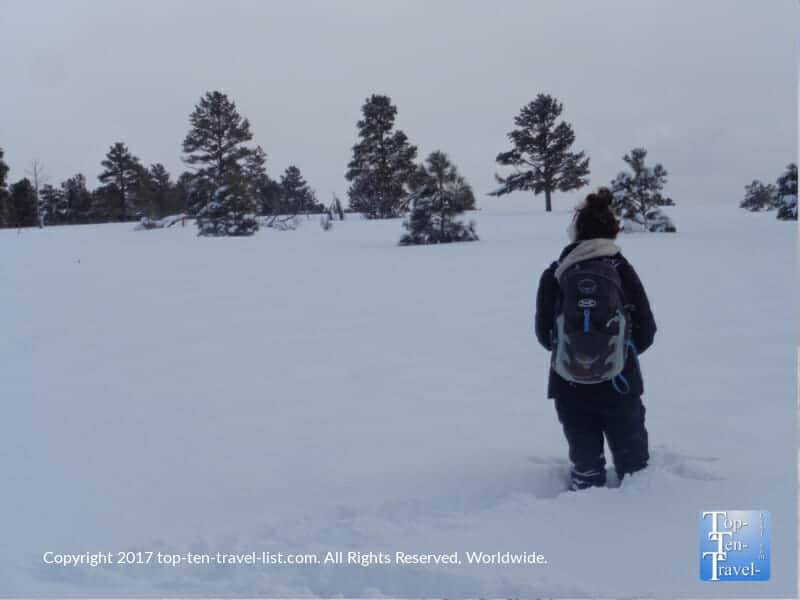
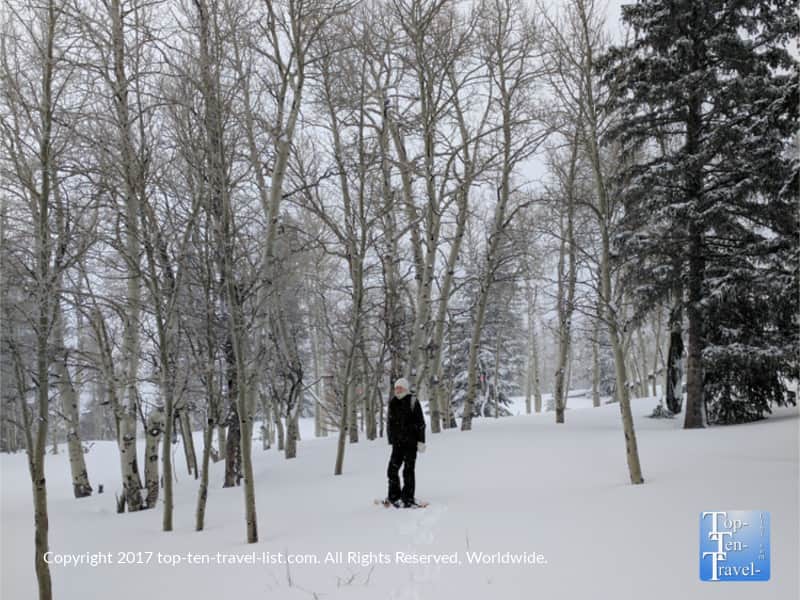
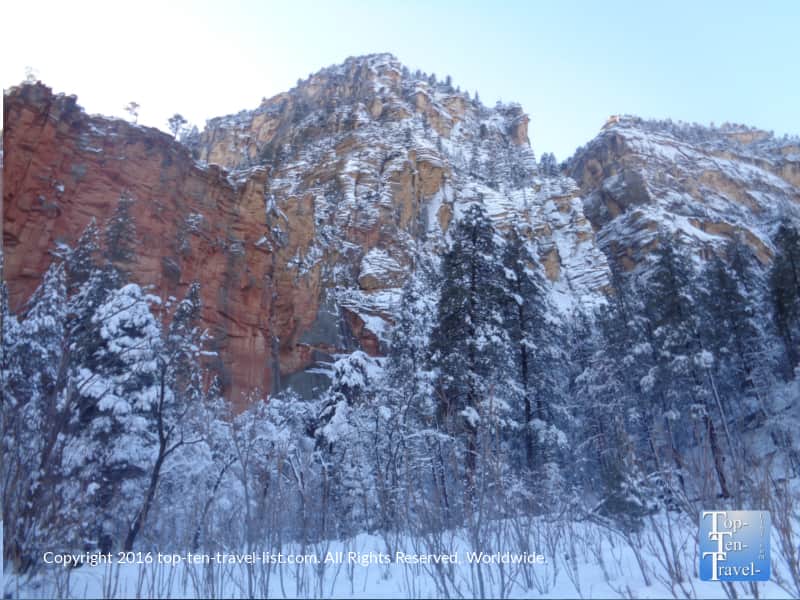
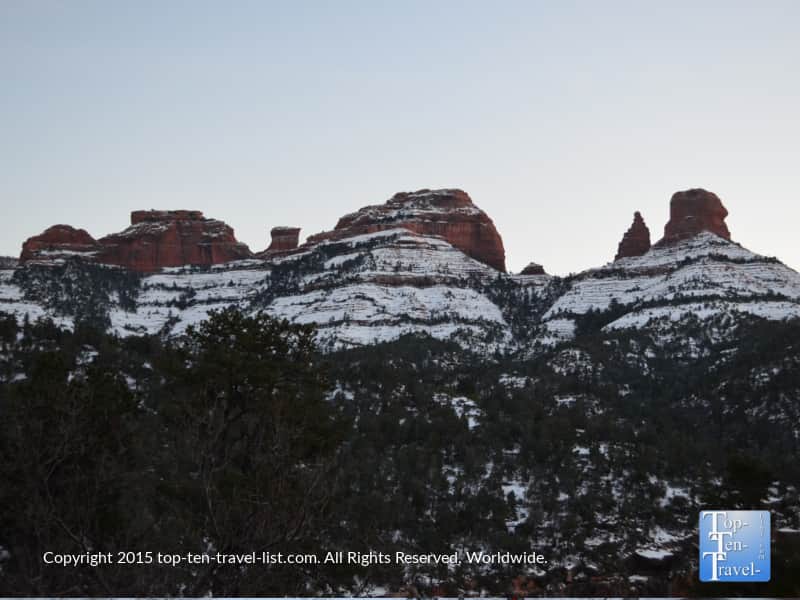
But Flagstaff isn’t the only city that gets snow. Even the Grand Canyon sees an average of 50-100 inches per year. Snow in Sedona is a bit rarer, although not all that unusual – and absolutely stunning when dusted over the red rocks! Now here’s something you don’t see everyday! One of my favorite memories was driving down Oak Creek canyon and see the 250 million year old red rocks dusted with snow.
3. Pluto was discovered here
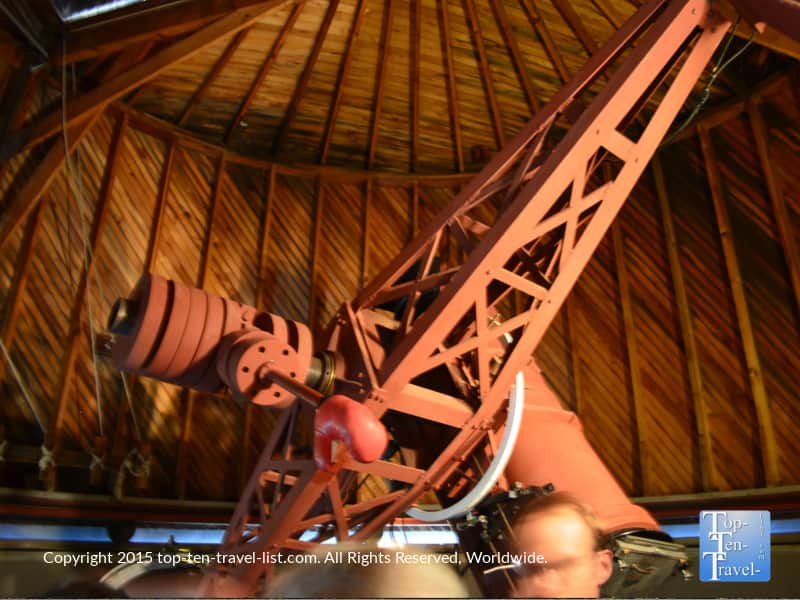
Pluto was discovered by Clyde Tombaugh in 1930 at the Lowell Observatory, one of America’s oldest observatories (built in 1894). Today, you can view this telescope along with other interesting exhibits. Other interesting discoveries at Lowell included the 3 largest known stars and the rings of Uranus (co discovery). Each year, during Flagstaff’s Festival of Science, the observatory hosts a number of events where you can learn more info, take tours, enjoy telescope viewing, and simply enjoy the night skies. We had the opportunity a few years back to attend the Pluto Palooza Festival: we learned a lot of new facts.
Learn more about Pluto’s discovery
4. Flagstaff is the 2nd highest located city in the US (with a population over 50,000)
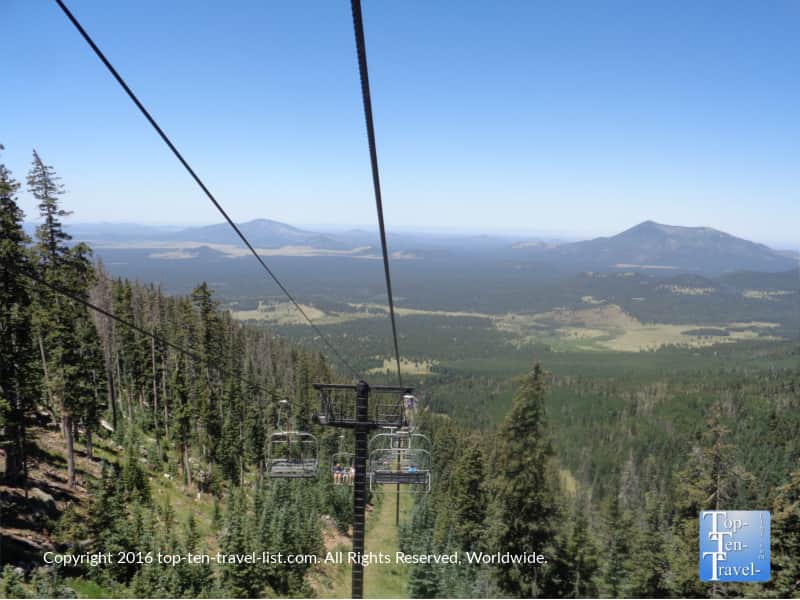
At 7000 feet, Flagstaff’s elevation is the 2nd highest amongst towns with populations above 50,000. With this elevation, comes a number of benefits and drawbacks. High altitude exercise improves physical fitness, and thus, athletes and Olympic hopefuls from around the world come to Flagstaff to train. I had a hard time adjusting for the first few weeks, but later built up my fitness and eventually PR’d in the Las Vegas Rock N’Roll half marathon. An abundance of pretty mountain trails and cool summer temps draw elite runners and cyclists from around the world. I know I had a great time training in the beautiful pines.
As for the potential drawbacks, those not used to the altitude can easily get mountain sickness. A much longer recovery period, more stress to the body, and lower immunity are the price you pay in return for the great scenery & proposed better fitness. In my opinion, training at high altitude means more recovery time and thus less total exercise, and hence, the same fitness level!. Potential side effects of high altitude living include dehydration, depression, and higher likelihood of sunburn. Before attempting any high altitude hike, one must acclimate at lower elevation and drink plenty of water! Here’s some tips to avoid the dreaded altitude sickness.
5. You can drive from the snowy mountain pines to the desert in just 2 hours
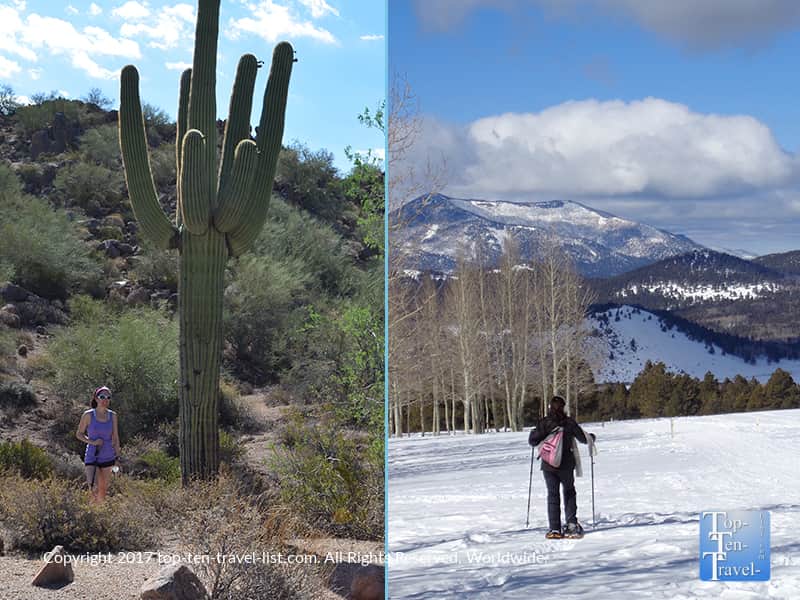
In just over 2 hours or so, you can drive from the snowy pines of Northern Arizona to the Sonoran desert. During the winter season, it is possible to ski, and then hike amidst towering Saguaro cacti (native only to the Sonoran desert) all within the same day. It’s pretty crazy to drive from palm tree loaded Phoenix to Flagstaff on a winter day and watch as the rain eventually turns into snow. I’ve taken this drive numerous times and it is always a lot of fun to see the scenery change so quickly. I love both regions so it’s nice to have access to both.
6. The area is home to the world’s largest ponderosa pine forest
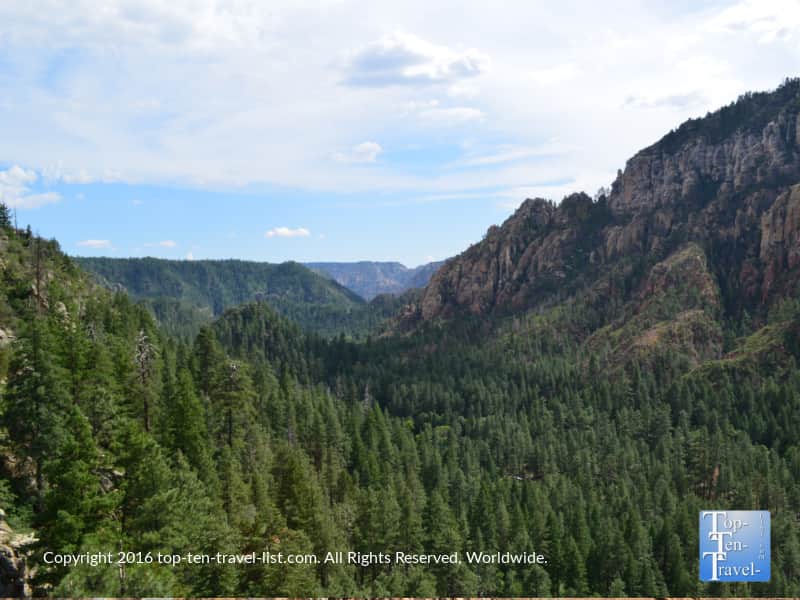
The Coconino National Forest is home to the largest continuous strand of ponderosa pine forest in the world. Ponderosas typically grow in mountain areas with little rainfall and at elevations of 6000-8000 feet. The massive Coconino forest (the 3rd largest in AZ at 1.8 million acres) surrounds the towns of Flagstaff and Sedona. Hundreds of miles of gorgeous hiking trails will take you through these majestic pines. I have hiked hundreds of miles of trails in the 4 years living in this region. All are mesmerizing, but I do have my favorites!
Check out my guide to what I believe are the most scenic trails in the Flagstaff area to get started. I’ve included a few easier options as well as some moderate mountain hikes.
7. Paranormal happenings are not at all uncommon

The northern portion of the state in particular, has a long history of ghostly occurrences. The historic Monte Vista hotel, located off Rt 66, remains one of the most haunted hotels in the country. Over the years many guests (including celebs like John Wayne) have reported the same eerie sightings.
Numerous guests have seen a ghostly vision of a woman in a rocking chair haunting Room 305. So many in fact that it was featured on the classic series Unsolved Mysteries! Whenever or not ghosts haunt the Monte, I like to grab a cup of coffee in the Rendezvous Bar and enjoy all the people watching downtown.
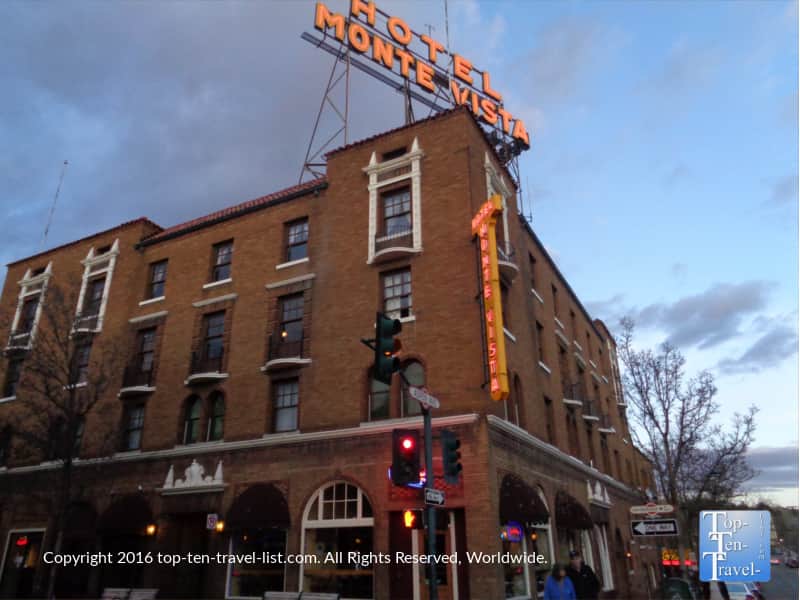
Read more about Monte’s ghostly history
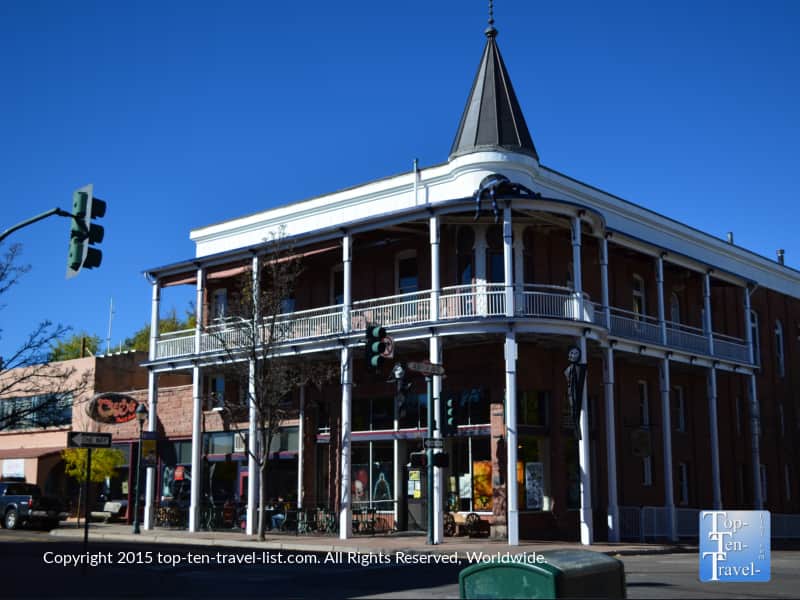
The Weatherford, another hotel downtown, is also haunted. This does not surprise me as its’ beginning date back to 1899. I recently saw a Ghost Adventures special where Zak Bagans and his crew discovered quite a lot of evidence.
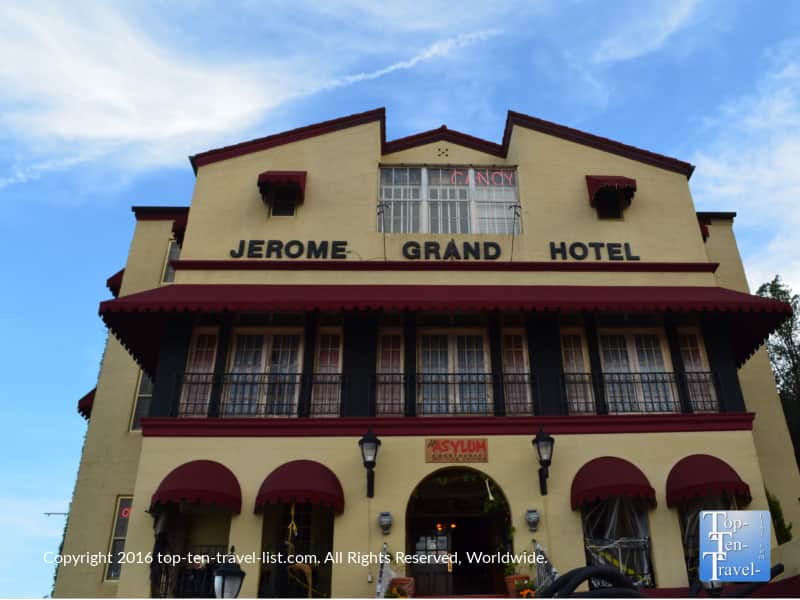
Jerome, a former copper mining town, is another destination to add to your Halloween bucket list. This town goes out all for Halloween with ghost tours, crazy decorating at the Asylum Hotel (a former mental hospital that is haunted), and plenty of parties. Known as “the largest ghost town in America,” the town now primarily operates as a tourist destination. Legends of ghost sightings date back over 50 years! The town even published a special ghost newspaper (the Jerome Ghost Post) for a while. Sign up for a tour and you will get to pretend you are a ghost hunter with the aid of real ghost hunting equipment like EMF meters and IR thermometers.
8. The region is home to 8 national parks/monuments (besides the Grand Canyon)
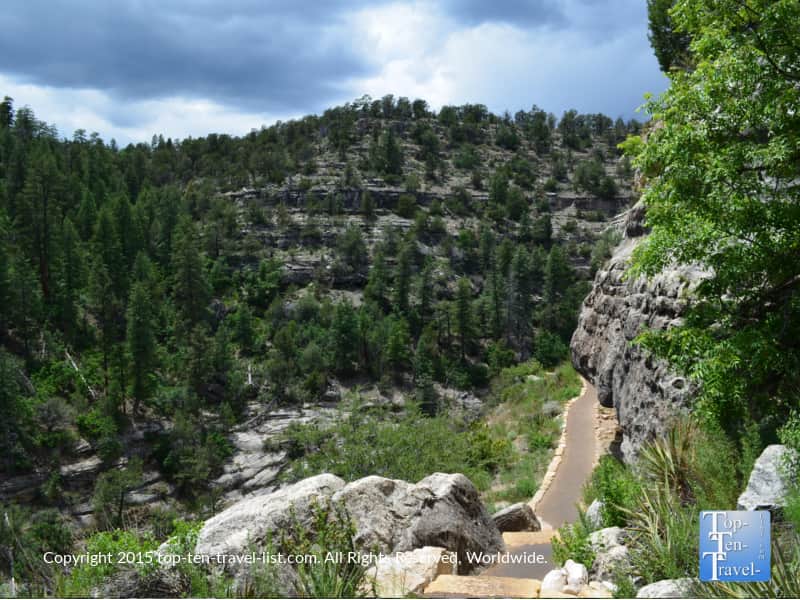
While seeing the Grand Canyon is a fantastic addition to any bucket list – “a place you have to see before you die”, there are so many other fascinating sights to see take advantage of while you are in the area. If you are spending a lot of money to drive/fly here, I recommend staying a bit longer to take some daytrips.
Besides the Grand Canyon, you can explore: the Petrified National Forest, Canyon de Chelly, Parashant National Monument, Navajo National Monument, Sunset Crater National Monument, Walnut Canyon National Monument, Vermillion Cliffs National Monument, and Wupatki National Monument.
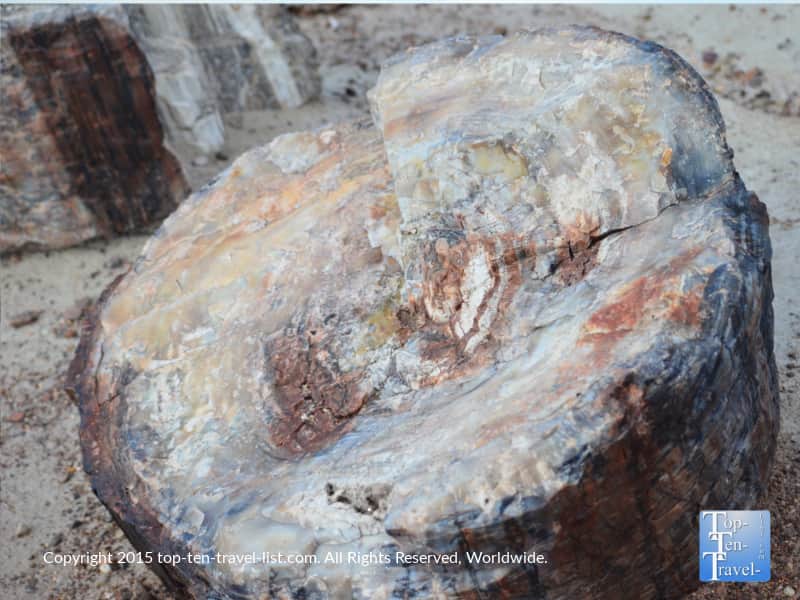
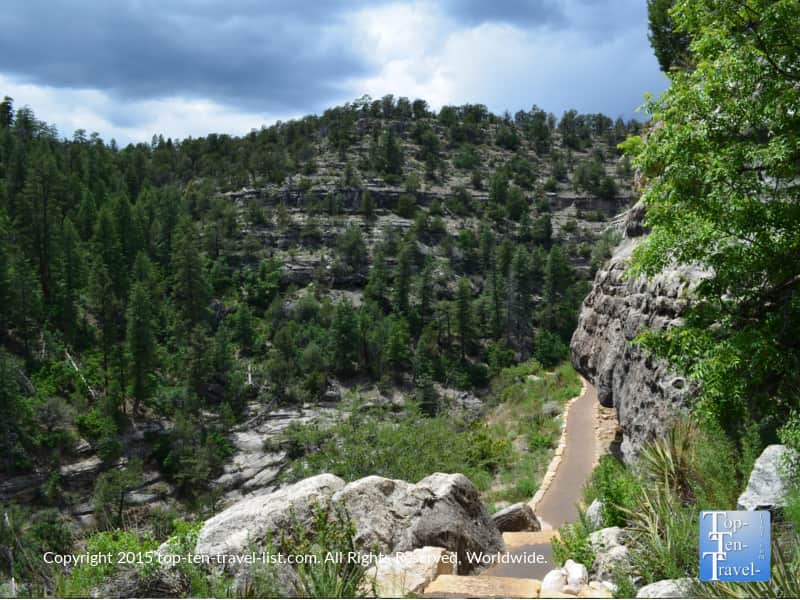
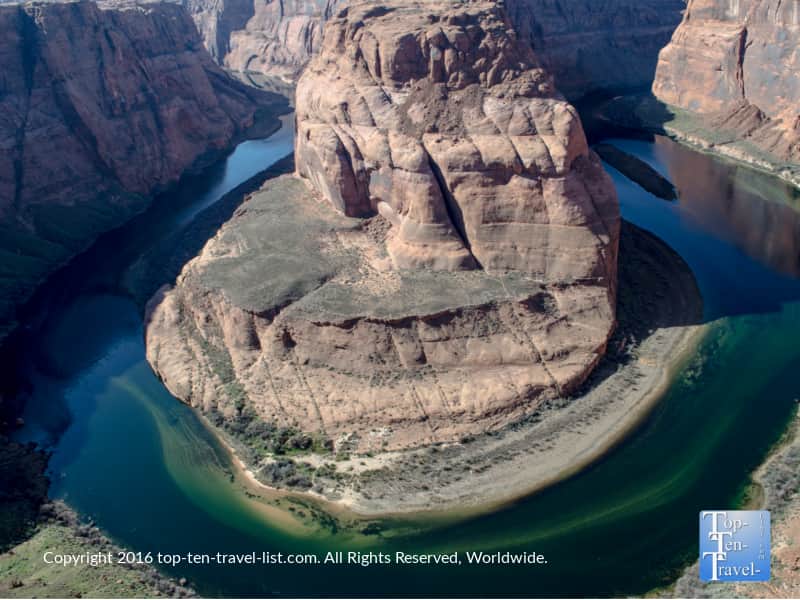
In addition, Oak Creek Canyon, Antelope Canyon, & Horseshoe Bend, while not national monuments, sure are natural wonders worthy of a day trip! Flagstaff has been dubbed “the city of 7 wonders” as it is surrounded by so many gorgeous places. Thankfully, these can all be explored via an easy daytrip. I have included info and pics about each monument in the link above.
9. Here you will find Arizona’s tallest mountain peak
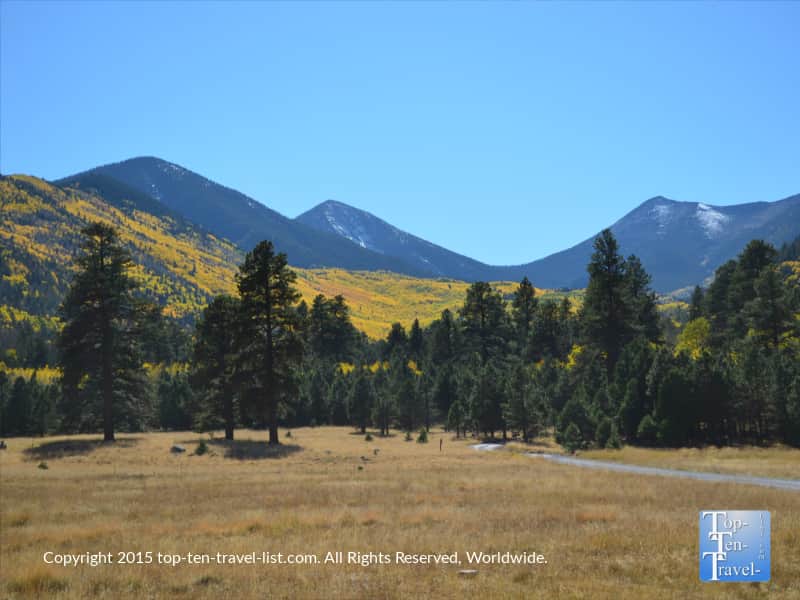
At 12,633 feet, Humphrey’s Peak stands as the tallest peak in Arizona. The hike to the summit is a very popular trek for both locals and tourists, although it is one rough uphill, high altitude journey suited only for the most advanced hikers. Fitness buffs and adrenaline junkies (in top notch shape) should definitely add a climb to their list of must-do hikes.
For those seeking something a bit less intense, the hike up Slate Mountain offers wonderful views of the Peaks from afar. Humphrey’s is part of the San Francisco Peaks range, an extinct volcano that last erupted sometime between 1040 and 1100 AD.
10. Lots of classics movies filmed throughout the area
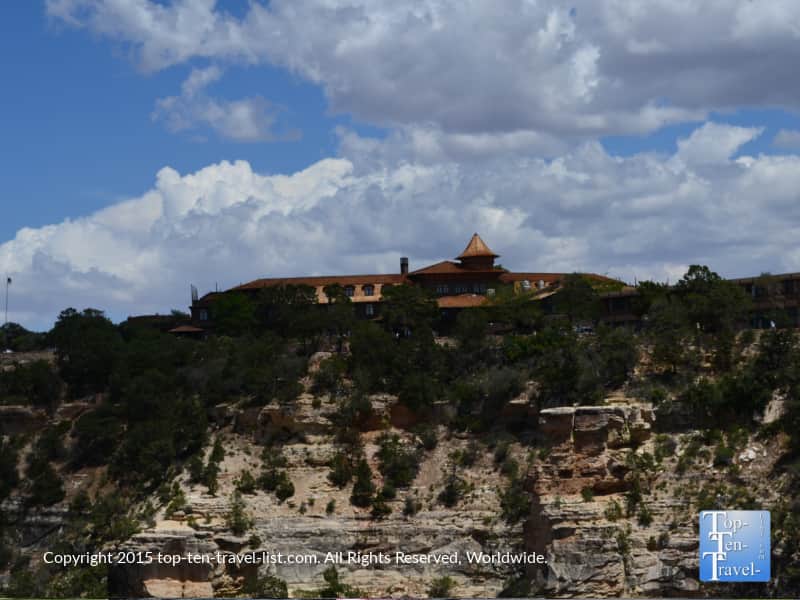
Scenes from classics like Forrest Gump (the running scene where Forrest runs through dog crap was filmed on San Francisco Street in the downtown neighborhood), Casablanca (the famous hotel scene was shot at the Monte Vista downtown), and National Lampoon’s Vacation (the scene where Clark fills up the gas was filmed at the Little America Hotel) were filmed in Flagstaff.
Page, Arizona was a filming location for desert scenes in Indiana Jones and The Temple of Doom. And Monument Valley near the Arizona/Utah border served as a backdrop for many westerns including Back to the Future Part 3. Several scenes from 80’s classic Bill & Ted’s Excellent Adventures were filmed within the Coconino National Forest. And there are plenty more – this is just a small sampling!
More movies that filmed around Flagstaff
11. You can stand in 4 states at the same time
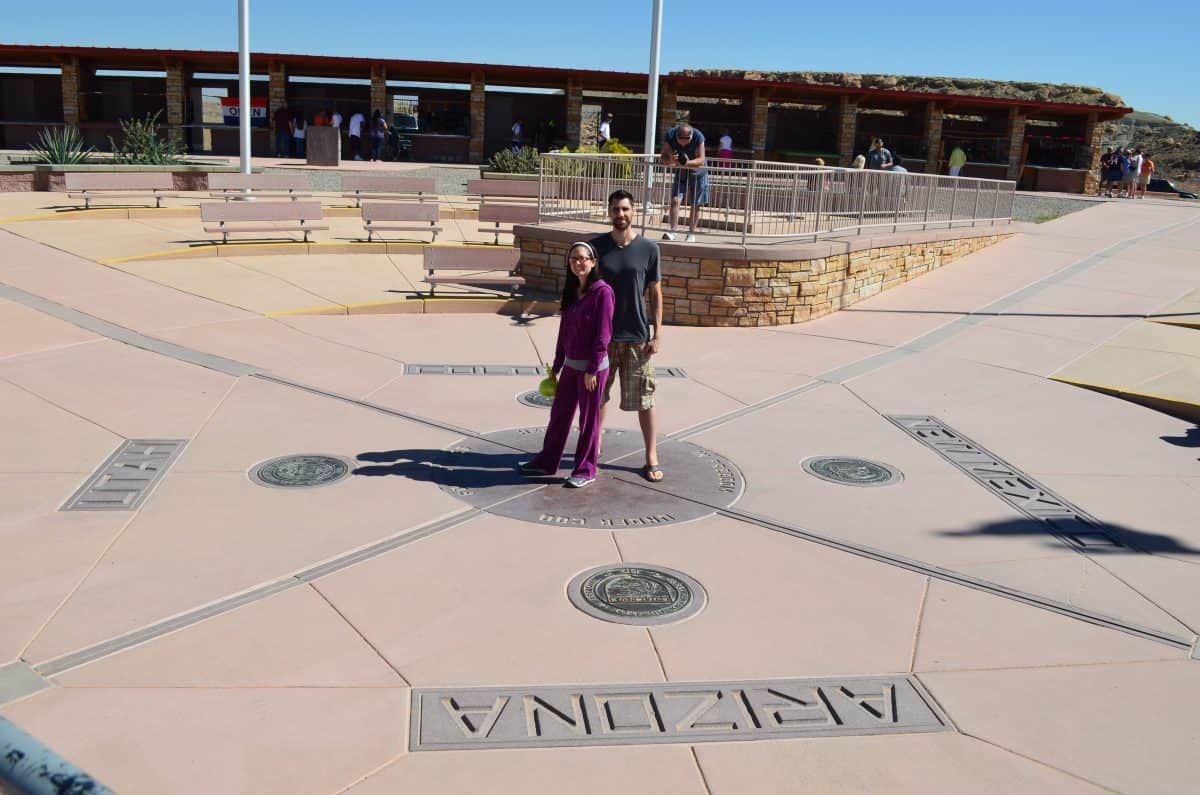
At Four Corners Monument, you will be able to take all sorts of crazy pictures where you can literally stand in 4 states at once. At this unique location in Navajo Nation, Utah, Colorado, Arizona, and New Mexico all join together in the only place in the US where 4 states meet.
I don’t think it’s worthy of a separate trip, however, if you happen to be passing through the area, it’s a pretty cool spot for a unique vacation souvenir photo. You can also shop for all sorts of quality handmade Native American crafts – I found the cutest pottery pieces & dreamcatchers here.
12. Natural health oasis Sedona offers more than simply gorgeous scenery
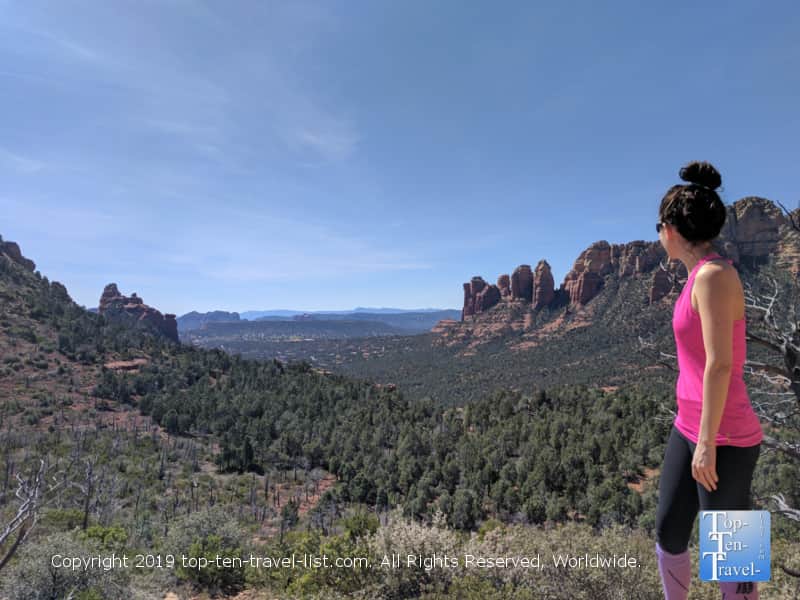
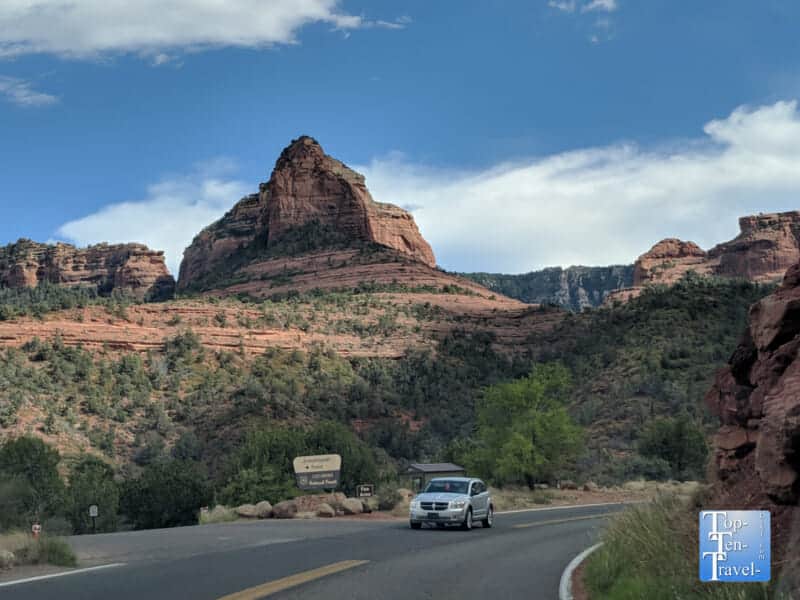
There is no question as to whether or not Sedona is one of the most gorgeous destinations in the West, if not the entire country. I spend nearly every weekend hiking here for years. The million plus year old red rocks are simply out-of-this-world.
If you actually get out there on the trails and explore a bit (which you totally should), you will likely feel a general sense of well being and possibly even healing. Sedona has been drawing more and more tourists over the years due to these energy vortexes, which many believe to possess healing properties.
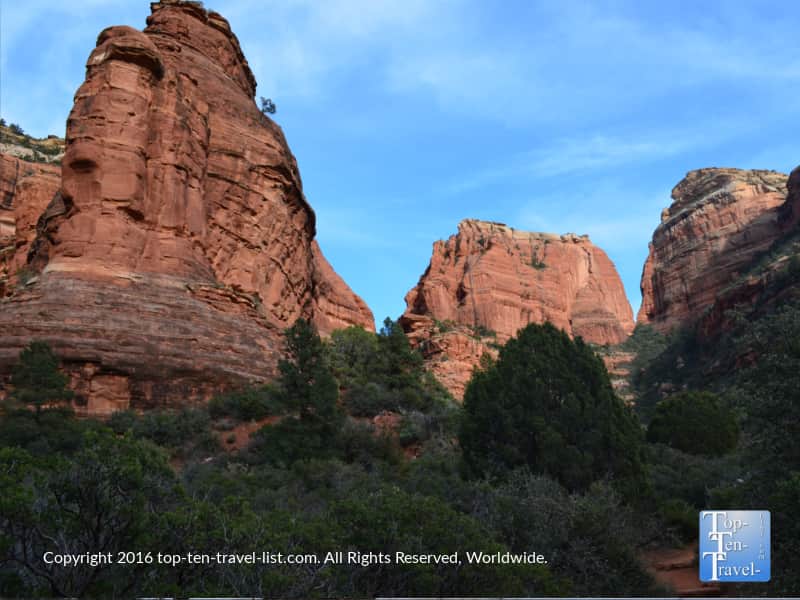
A vortex is basically an area of intense energy that rises up from the Earth and affects a person in various ways depending on whether or not it is a masculine or feminine energy. A yin feminine vortex strengthens intuition and creativity. Masculine vortexes are more yang and give you confidence and determination. The beautiful Chapel of the Holy Cross (a Roman Catholic Church built between the rocks) is the most popular vortex site.
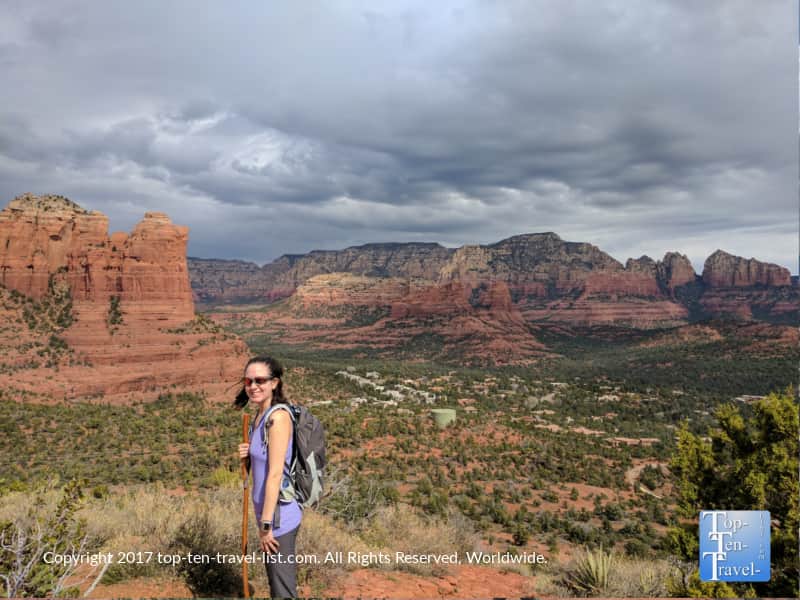
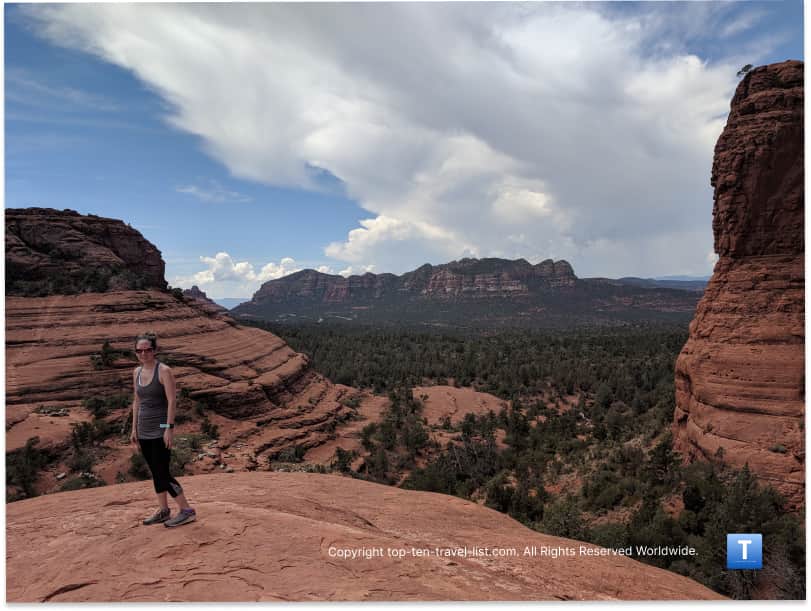
Vortex hikes include Cathedral Rock, Boynton Canyon, Airport Mesa, and Bell Rock. Whether or not you feel any special energy, one thing’s for sure, all of these hikes (as well as many others in the area) feature some of the most stunning landscapes you will ever witness. Here are a few of my favorite easy-mod hikes in the area.
13. Fall foliage rivals that of the New England region
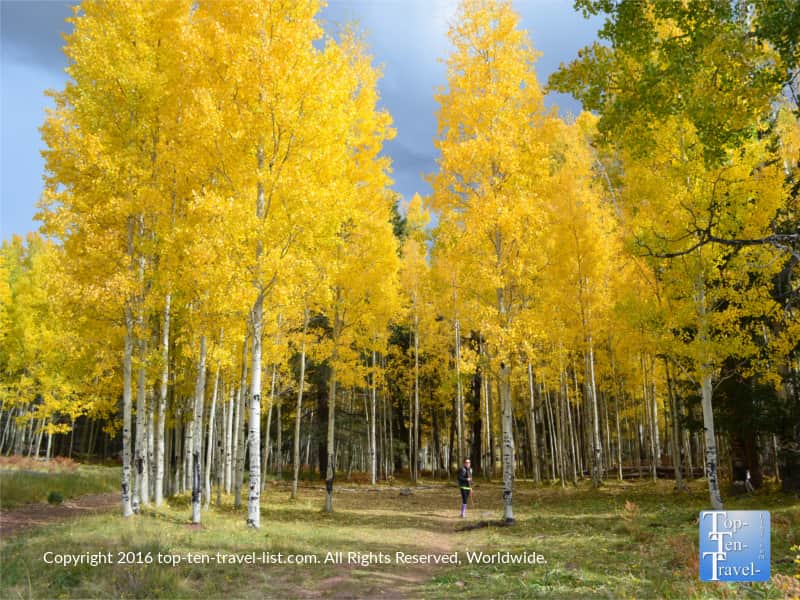
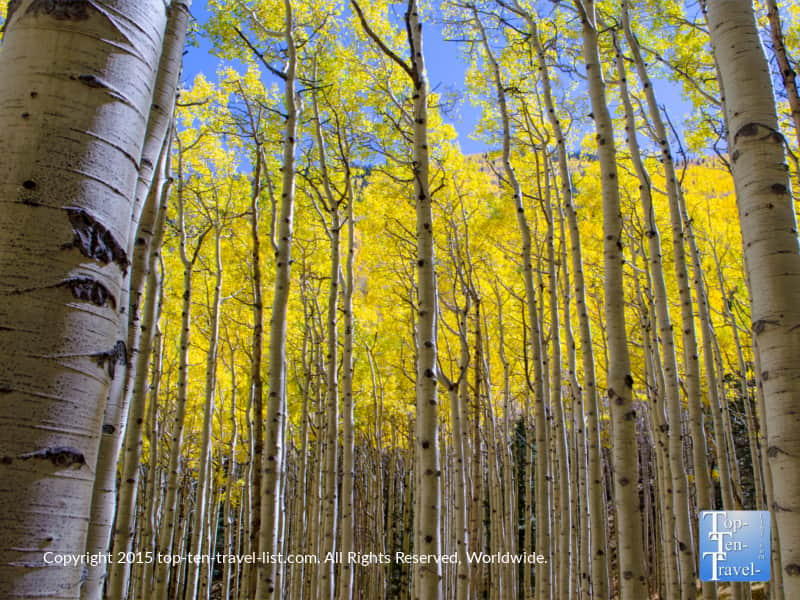
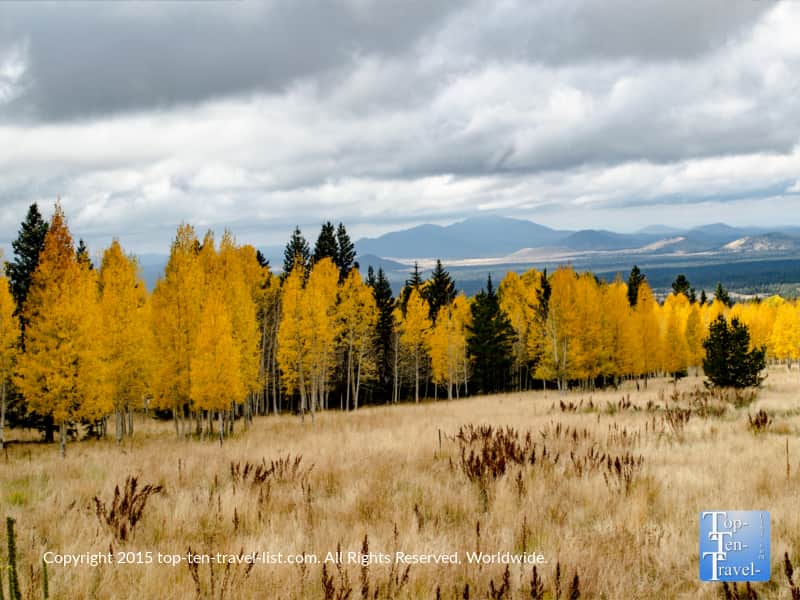
Take it from someone who lived in Massachusetts for years – the leaf peeping here is awesome. The weather is perfect and the colors are amazing for hiking this time of year. Each season, shimmering golden aspens line the high altitude trails (mostly those above 8000 feet). Flagstaff offers the most dramatic fall scenery via trails like the incredible Inner Basin, which takes you on a colorful journey through the heart of the San Francisco Peaks.
As a complete fall foliage buff, I have checked them all out. To get started, you can check out my guide to the best fall hikes in the region.
14. The city is the world’s first “International Dark Sky City”
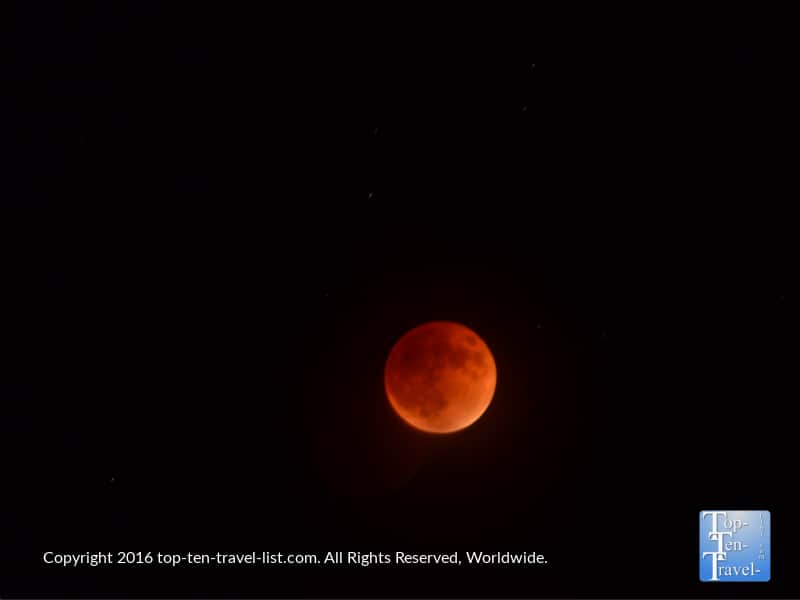
It comes at no surprise that this region rates as one the top places in the world for stargazing. With clear skies and low light pollution, you can enjoy endless stargazing almost any time of year. In 2001, Flagstaff became the World’s First “International Dark Sky City.” Flagstaff sees on average over 280 sunny days per year, meaning many dark cloudless nights for stargazing.
Head to the Lowell Observatory, Buffalo Park, or take a scenic drive along the Sunset-Wupatki loop drive for some of the best stargazing in the country. During the summer months, Walnut Canyon offers free stargazing hikes. Also be on the lookout for the annual Festival of Science, featuring more stargazing parties and events than you could possibly imagine. I really enjoyed this event, particularly the stargazing festival at beautiful Buffalo Park: I’ve never seen more stars!
15. The region is rich in Native American culture
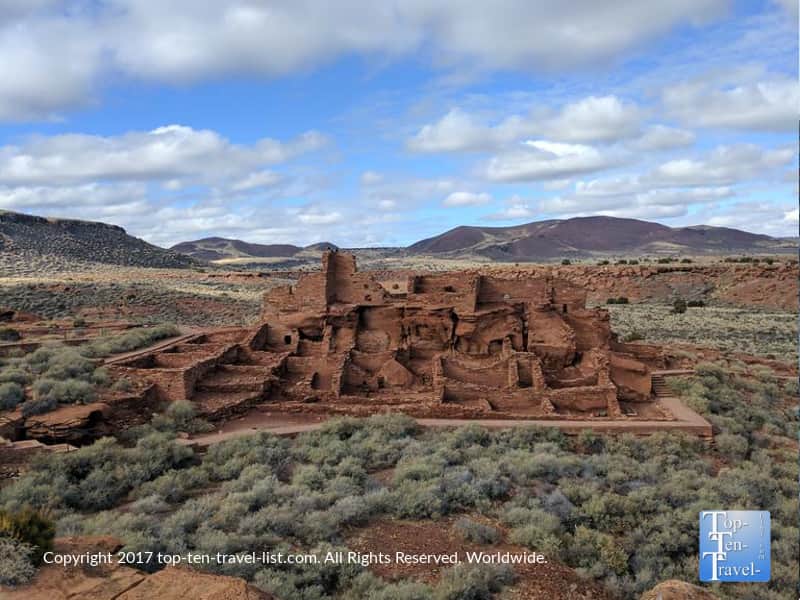
Currently, Arizona is home to 22 Indian tribes. The state has the 3rd highest Native American population, with reservations taking up over a quarter of the total land area. The Navajo, Hopi, Havasupai, Kalibab-Paiute, and Hualapai tribal lands cover 31,000 square miles of this region.
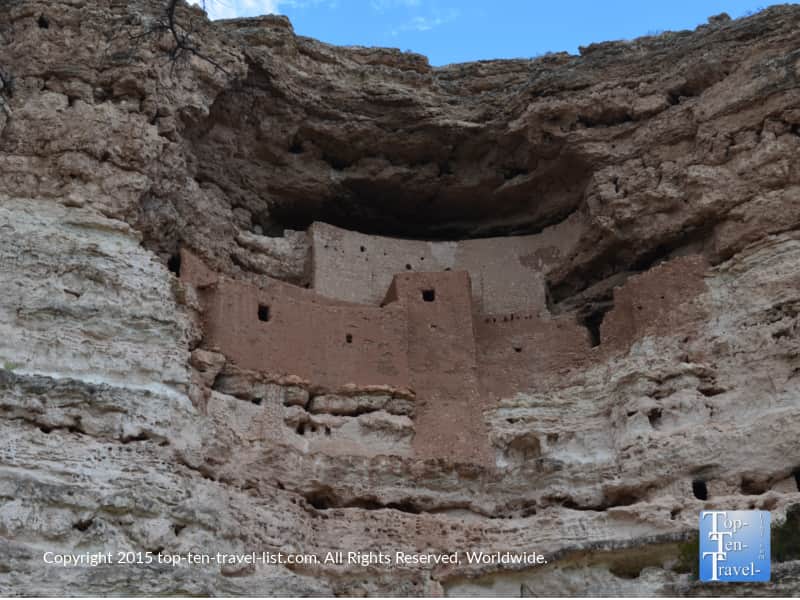
There are numerous ancient Indian ruins to explore around the region, the most famous being Wupatki National Monument and Walnut Canyon. Exploring the ancient cliff dwellings at Walnut Canyon (I love hiking the Island trail here) & Montezuma Castle are definite must-do’s for anyone interesting in Native cultures or just looking to take in some fabulous views. Exploring the ancient pueblos (including a well preserved 100 room pueblo) at Wupatki National Monument is another great addition to your itinerary. If you are really interesting in further your education, you can plan a visit to the Museum of Northern Arizona in Flagstaff.
Native American food is also found in abundance. I recommend the Navajo Taco (made using Frybread) at Charly’s at the Weatherford in downtown Flagstaff. I love their outdoor patio too! Another great choice is Salsa Brava, a long running Mexican joint on historic Rt. 66. If you like watching Diners, Drive Ins, and Dives, you may want to order the Navajo taco like Guy Fieri did! Personally, I love the fajitas and roasted veggie burro.
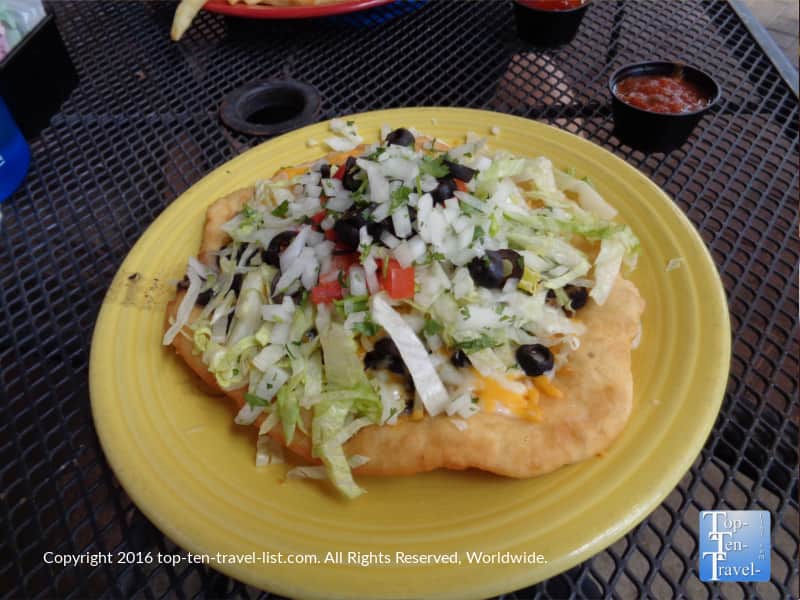
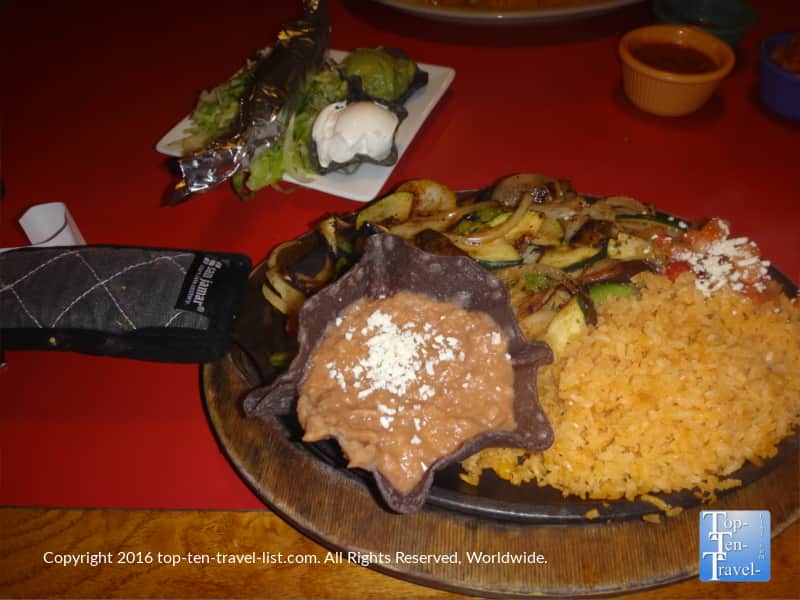
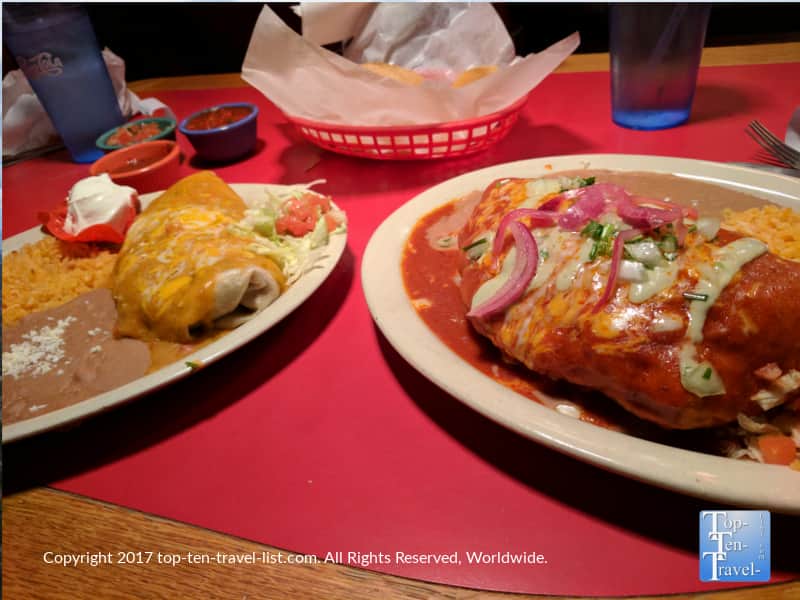
Also, if you are a fan of Food Network’s Diners, Drive Ins, and Dives you may want to pay a visit to a popular local Mexican gem on historic Rt. 66 called Salsa Brava. I love the food, the history, the lively vibe, and the salsa bar here. You may want to order “What Guy Ate” – the Navajo taco. This Native American dish consists of traditional fry bread topped with pinto beans, smoked chicken, cheese, cilantro cream sauce, pickled red onions, and sour cream. Personally, I love the fajitas and roasted veggie burro.
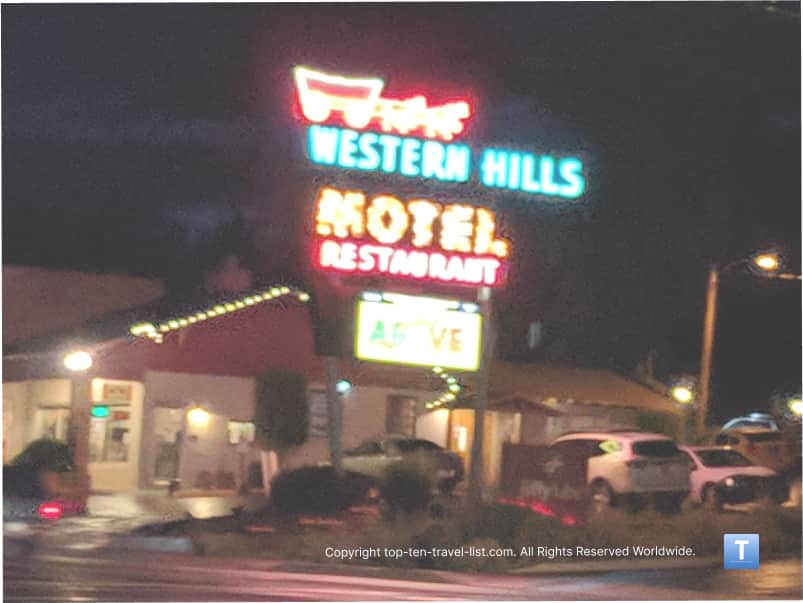
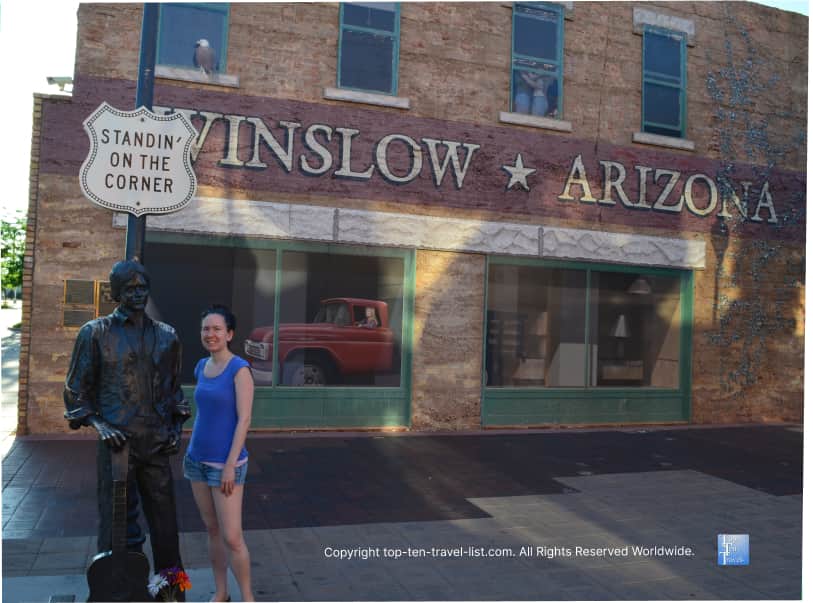
On a side note, there is a lot of Rt. 66 history to explore in this area. The city of Flagstaff puts on numerous events and there are old neon signs, restaurants, and historic sites to check out. If you are a fan of classic music, definitely take a drive out to Winslow to see the site that inspired the lyrics “Standin’ On a Corner in Winslow, Arizona” from the tune Take It Easy.
*Check out my Arizona Travel Guide for my recommendations on the best hikes, scenic attractions, historic sites, tourist destinations, restaurants and coffeebars, and events to add to your bucket list.