10 Western National Parks to Add to your Bucket List
Disclaimer: We are not paid to promote any restaurant, hotel, activity, product, or attraction. All opinions are subjective and based on our personal experience. Your experience may be different.
I had the wonderful opportunity to live in several western states within the past few years including Arizona, Idaho, and Nevada. Because of the convenient access, I planned many easy road trips to so many incredible national parks that I would never had the chance to see otherwise. The Western US is home to so many incredible national wonders and is undoubtedly home to some of the most breathtakingly diverse & magnificent landscapes in the country.
This natural region of the US is home to 39 of the country’s 63 national parks, all of which hold their own beauty and uniqueness. Because elevation changes are so dramatic from one state to another, and oftentimes within the same state, you have such a wide range of ever changing landscapes to enjoy. This is what I love most about living here.
From America’s First national park Yellowstone, to the dramatic cacti covered mountains of Saguaro National Park, to the towering snow capped peaks of the Grand Tetons, there really is a bit of something for everyone to explore, no matter your fitness level or weather preference. Even the most avid outdoor adventure types will never run out of options: it’s impossible. We filled up our weekends with new places to explore and never got bored once over a 2 year period.
The West is home to some of the world’s most well-known & grandest natural wonders like the Grand Canyon, as well as hidden underappreciated gems like North Cascades National Park, a beauty just 3 hours from Seattle which is home to over 300 glaciers. It can be overwhelming to choose amongst the dozens of options scattered across a dozen drastically different state. For starters, here are some of my recommended bucket list starting points.
1. Zion National Park
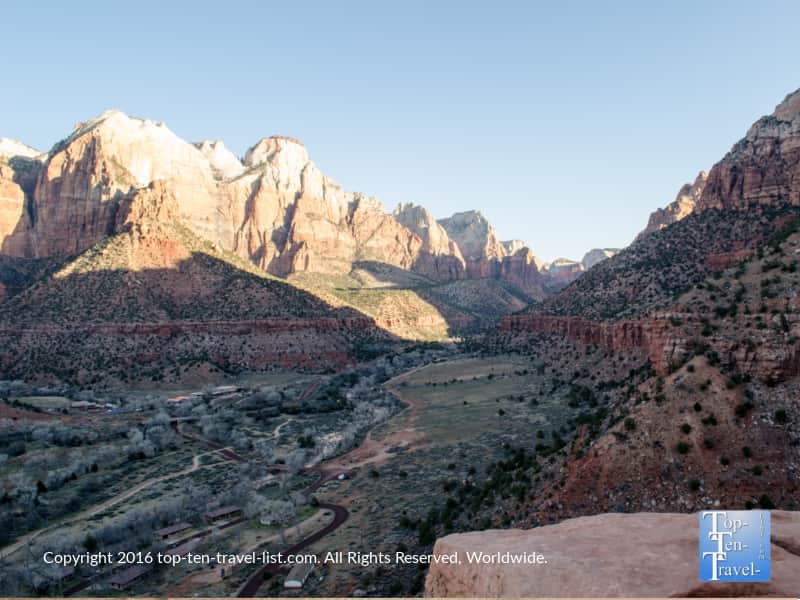
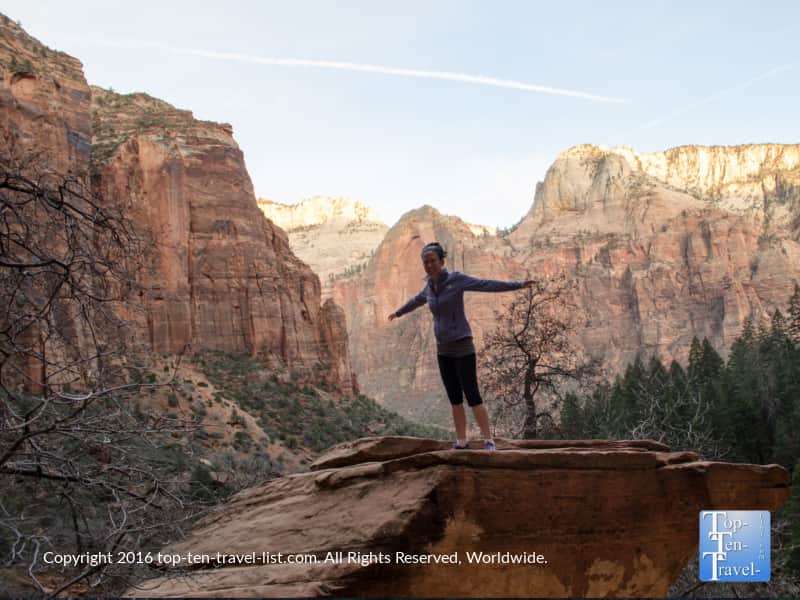
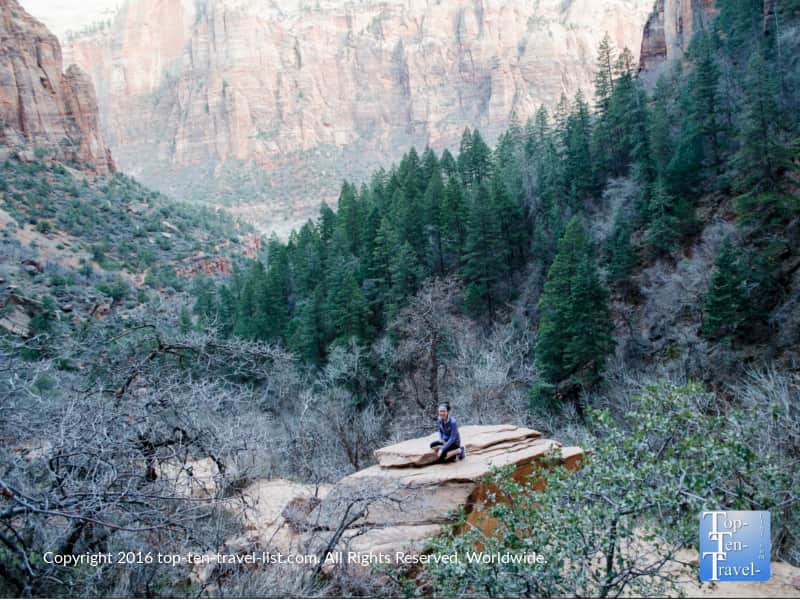
Zion National Park in Southwestern Utah is one of my favorite places in the southwest. With peaceful waterfalls, colorful rock formations, and serene views of the Virgin River, it’s a gorgeous choice for anyone who enjoys hiking in a peaceful setting.
Zion translates to “a place of peace and relaxation” in Hebrew. This is right on the mark as the trails are so tranquil and beautiful. If you can’t get lost in nature here, good luck elsewhere. I loved the otherworldly scenery and eerie vibe here.
This breathtaking park is often passed up in favor of nearby Grand Canyon. This is a shame as it’s an easy day trip from many cities including Flagstaff, Las Vegas, and Salt Lake City. Springdale (where the park is located) is also a great base for Utah outdoor adventures as it is within an easy day trip to 9 national parks/monuments including Arches (5hrs), Bryce Canyon (2hrs), and Canyonlands (half hour)!
From a casual 3 mile bike ride along the beautiful paved Pa’Rus trail, to a moderate rewarding trek to the enchanting Emerald Pools waterfalls, from a narrow steep climb along Angel’s Landing, known as one of the scariest hikes in the world, this place has a bit of something for everyone, no matter your fitness level.
Two incredible hikes I enjoyed both scenery & intensity wise are the Watchman Trail and the Upper Emerald Pools Trail. Both hikes are just moderate in intensity, yet still reward with out-of-this-world views. Check out more info in my Zion hiking guide which includes the top 3 hikes for first time visitors.
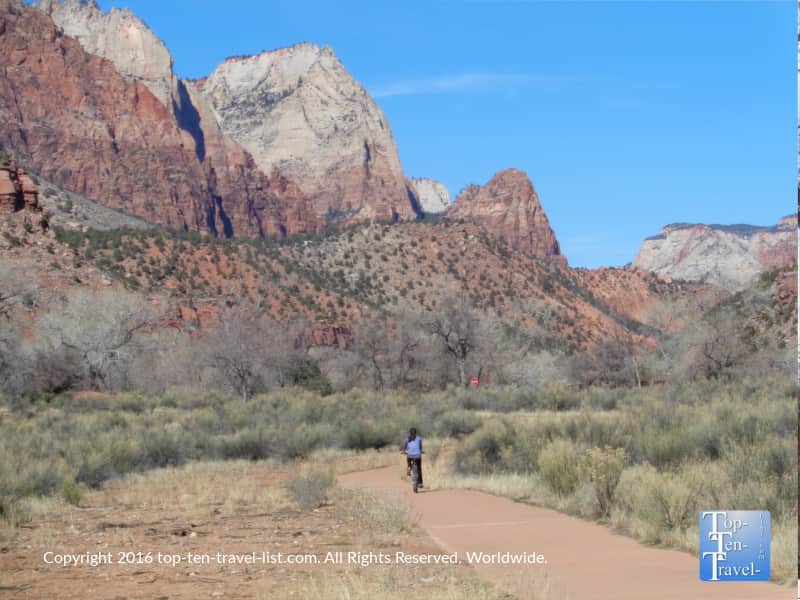
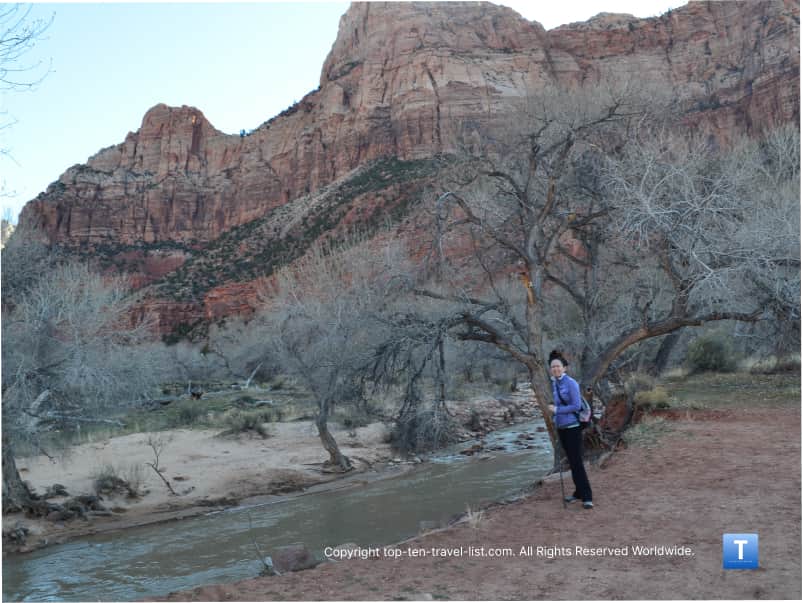
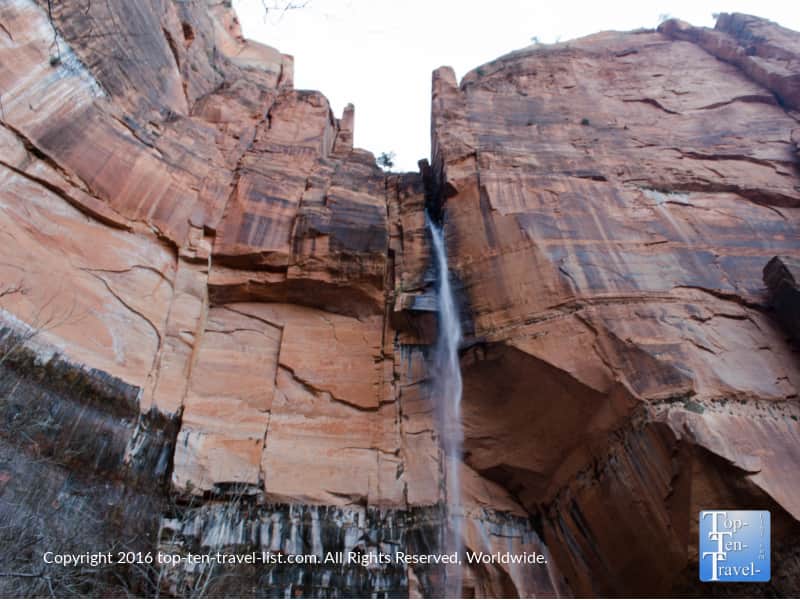
Even if you are not a hiker, I would say this park is worth a visit. Non hikers can enjoy a cruise on the Zion Scenic Drive which features some jaw dropping rock formations. It’s one of those drives where every twist and turn brings forth even more magnificent scenery for a surreal nature experience like none other. The massive red sandstone cliffs stand out brilliantly against the blue cloudless skies.
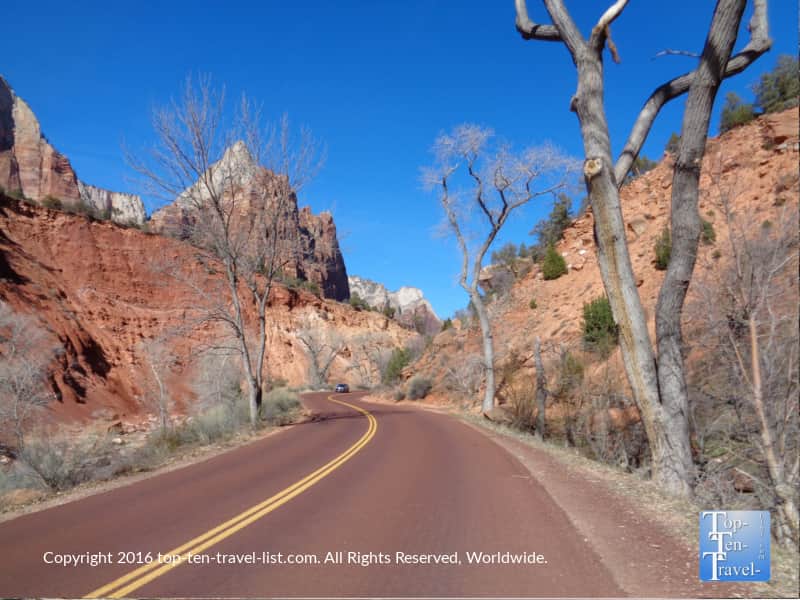
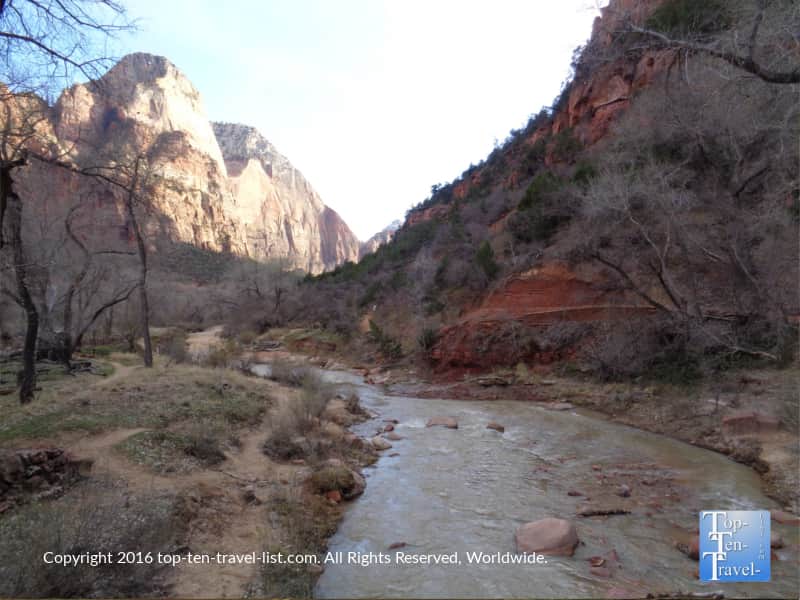
Overall, a must-visit for the nature lover, the adventurer, the hiker, the photographer, and anyone else who simply appreciates beautiful places.
Things to Know
Directions to Zion via the NPS
Admission fees: $35 for vehicles (7 day pass) or $20 per person individual entry/no vehicle
*There is a handy shuttle which takes you to and from various points of interest within the park. To avoid extra hassle, park in the town of Springdale (right outside the park) and take the free town shuttle. You can park anywhere along the road assuming there are no restrictions. Shuttles run every 7-15 minutes and there are 9 stops in Springdale and within the park.
*Summer is the busy season (visit in late fall for fewer crowds). Hotels book up fast – plan ahead. Limited lodging & food is available within the park. It’s best to dine and stay in nearby Springdale.
*Be prepared for intense summer temps often exceeding 100. Also, monsoons can occur out of the blue, so be prepared. Plan any longer hiking adventures early in the morning this time of year.
*Prepare for the dry climate with plenty of water and salty snacks.
Nearby attractions: Deep Creek Coffee Company (delicious espresso & terrific views), Bryce Canyon National Park (just 2 hours away), Horseshoe Bend (2 hrs), Antelope Canyon & Lake Powell cruises
2. Yellowstone National Park
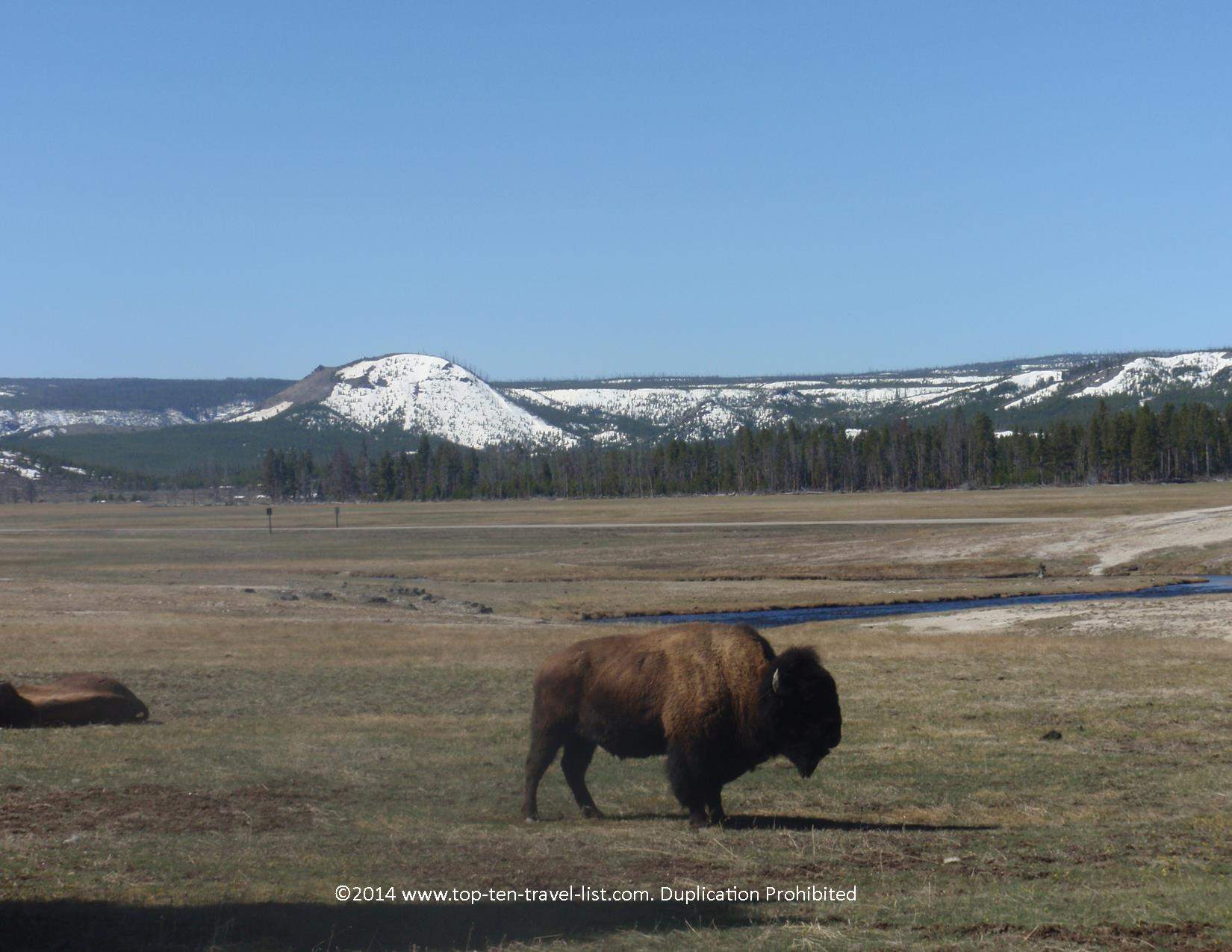
In 1872, a wilderness area now known as Yellowstone, was the first land to be set aside for national park usage, thus becoming America’s first. It also happens to be one of the 10 biggest with over 2 million acres of land covering parts of Montana, Wyoming, and Idaho. As one of the most peaceful, beautiful, and rustic places in the country, Yellowstone is definitely a bucket list contender for photographers, nature, and wildlife lovers. It is one of the best year-round places to plan an outdoor vacation because there is just so much to do no matter the season. I had the opportunity to visit on multiple occasions thanks to living in nearby Idaho Falls for a year.
During the summer and spring months, you can hike, bike, fish, and take scenic drives around the park attempting to spot wildlife. Spring is a fantastic time for cyclists as the road from the West Entrance-Mammoth Springs is closed to vehicle traffic for a few weeks sometime around late March-early April to clear the snow. During the winter months, roads close to the public, although you can take a snowcoach tour and enjoy the majestic snow and ice capped landscapes. Yes, winter means freezing temps, however, it also means fewer crowds and an amazing winter wonderland ambiance in a magical secluded setting! I imagine this would be such an incredible experience – this has been on my bucket list for a while now.
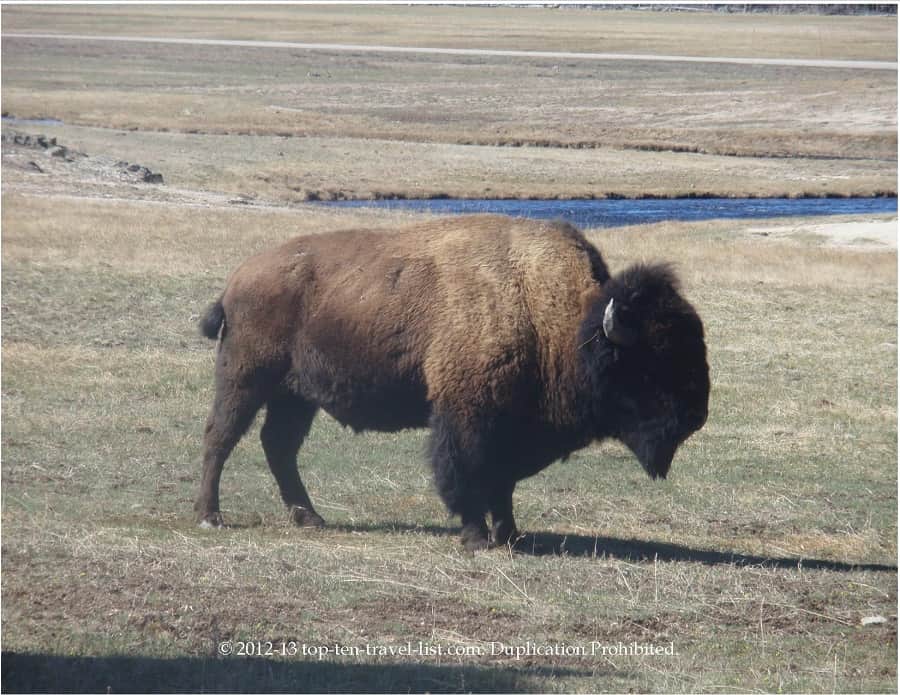
One of most memorable things about a vacation here really is all the wildlife you will see during your visit. You really do not have to try real hard to see any animals as they will cross the road right in front of you! I cannot help hearing the lyrics to Home on the Range while driving around…”Where the deer and the antelope play…”
Bison is the most frequently seen large mammal, although bears, moose, and wolves are occasionally reported. We saw many bison, elk, and even a wolf. The entire experience of visiting this nature oasis is just so rustic and wonderful.
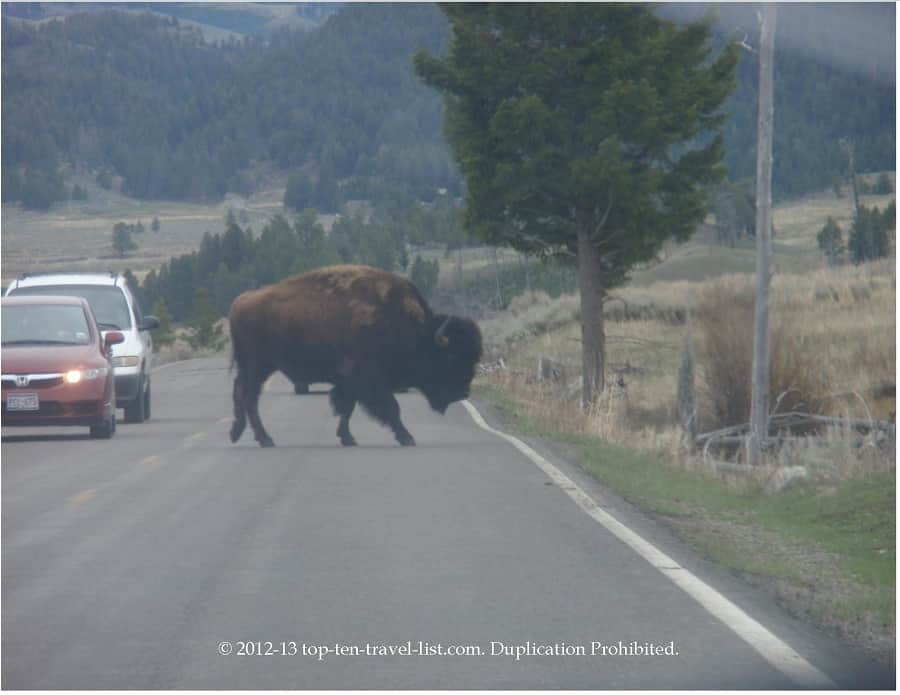
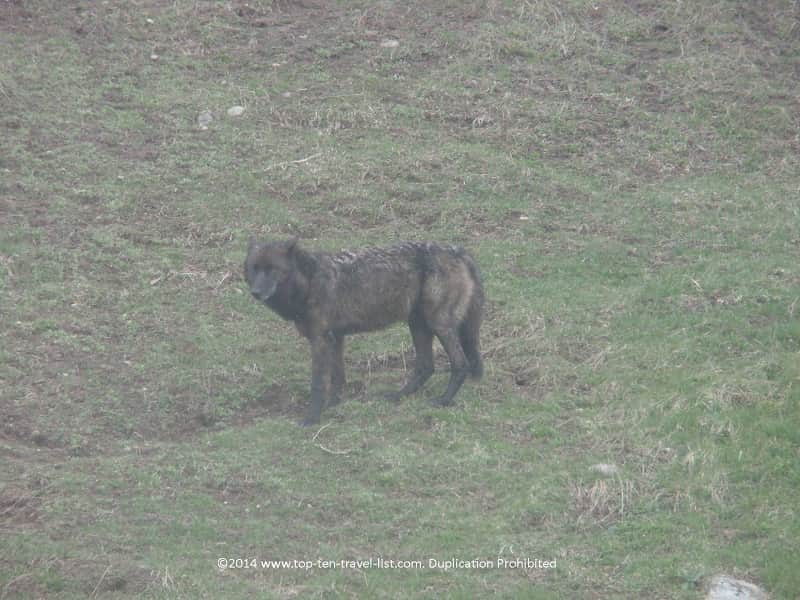
The Lamar Valley scenic drive is definitely a must-do here (thanks to the park staff for recommending this to us). You may also want to take a cruise along the 52 mile long Buffalo Bill Cody Scenic Byway, which Teddy Roosevelt called “the most scenic 52 miles in the US.” The Grand Loop is a very, very long drive which can be accessed via any entrance point. The scenery is diverse & stunning, and wildlife is abundant, although you must be prepared for endless hours of driving (we spent about 7-8hrs driving & exploring). If you are limited on time, the drive from Madison Junction to Old Faithful near the West Yellowstone entrance is perfect.
Other popular tourist sites include: Grand Canyon of Yellowstone, the Artist’s Paint Pot trails, Grand Prismatic Spring, the Upper Falls, and Yellowstone Lake. I recommend beginning your journey at the West Yellowstone visitors center where you can pick up a handy map.
One of the must-see sights within the park is Old Faithful, a predictable geyser which shoots water 100 feet into the air every 44 to 125 minutes (every 63-70 min on average). During the winter season, a guided snowcoach or snowmobile tour is the only way to see this beauty, which takes on a completely different tone this time of year.
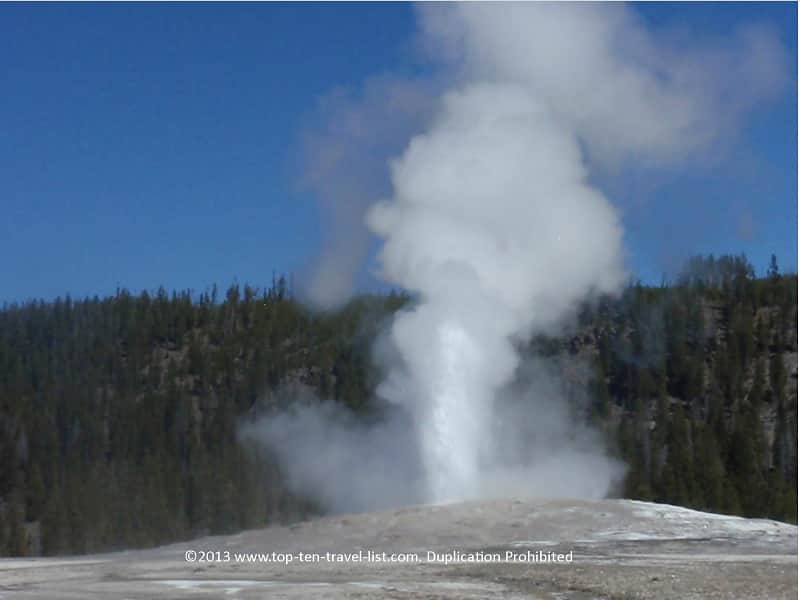
The landscapes are so diverse and include: mountains, forests, lakes, natural mudpots, hot springs, waterfalls, and geysers. From guided horseback rides in the summer, to cycling in the spring months, to cross country skiing and snowcoach tours in the winter, there is something to do year-round for every type of visitor.
There are 5 entrance in 3 states – Montana, Wyoming, and Idaho. The park is enormous, so it’s wise to base your trip around one of the entrances. West Yellowstone, the main and most popular park entrance, offers some great woodsy style lodging options and a number of restaurants (you must have breakfast at the adorable Running Bear Pancake House) and attractions. The abundance of convenient amenities in this little town make it a great vacation destination as opposed to solely a base for the park.
Things to know
Admission fees: $35, Pedestrian fee $20
*The park is not open to vehicles during the winter. You must book a snowcoach/snowmobile tour.
*There are 9 lodging options within the park or you can stay in nearby West Yellowstone. If you are looking for more amenities and cheaper lodging, look for a hotel in Idaho Falls. This small city is less than 2 hours away and is known as “the gateway.” I lived here and can attest that there are many great local restaurants and budget hotels.
*Visit popular attractions like Old Faithful early in the morning.
*Visit during the spring season for a more peaceful setting with fewer crowds.
*Look up wildlife safety tips before hiking. There have been numerous bear and bison attacks within the park. Stay 100 feet away from bears and wolves and at least 25 feet from bison and elk. Both black and grizzly bear attacks seem to be happening more frequently nowadays. It does not hurt to take extra precaution. Read through Bear Safety Hiking tips for more info.
*Fill up your tank before entering the park. The drives are long and there are not many places to fill up. Those available are super pricey!
Nearby attractions: Mesa Falls Scenic Byway in Idaho (I love this drive – you will get to see 2 incredible waterfalls), Grand Tetons, Jackson Hole
3. Saguaro National Park
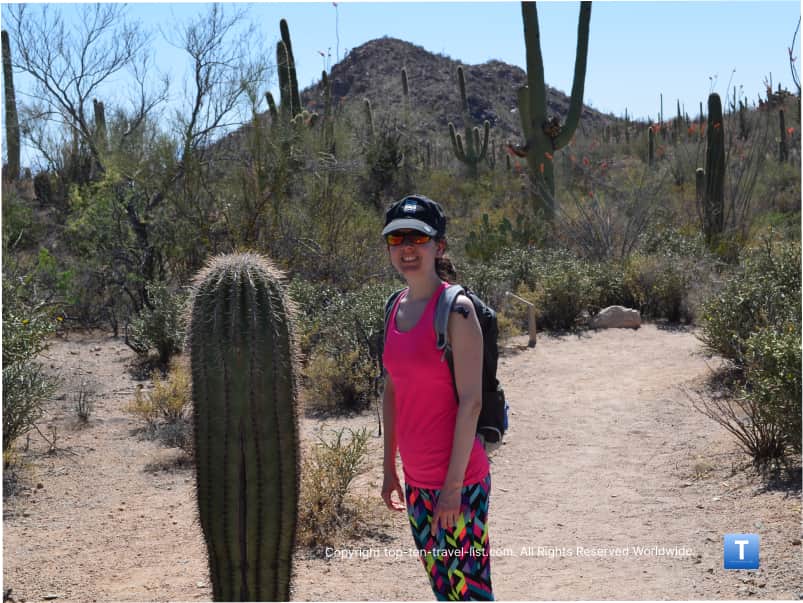
Saguaro National Park, located in the Sonoran Desert, is an overlooked natural gem which does not get that much credit due to the Grand Canyon overtaking all the thunder. Although the Canyon is the top sight to see in the state, this cacti studded oasis is a worthy addition to any itinerary, particularly if you are going to be in the area for a while. Visiting this park is what eventually led me to move Tucson – I fell in love with the desert after just one visit!
Featuring endless views of the stately Saguaro cactus, found only in Sonoran Desert of Arizona and Mexico, this park definitely offers some unusual scenery that you will not get to see anywhere else. This alone makes it a bucket list contender. You can check out my visitor guide for more pics and details on various hikes and drives.
These towering icons of the desert can grow to be over 40 feet tall. The cacti have a very long lifespan, often exceeding 150 years! April, although beginning to get quite hot, is a beautiful time to visit as you can see the blooming cactus. The summer is also the slow season, although you must plan on finishing your hike before 9am to beat the extreme heat! Here’s some more fun facts about cacti via the Desert Museum.
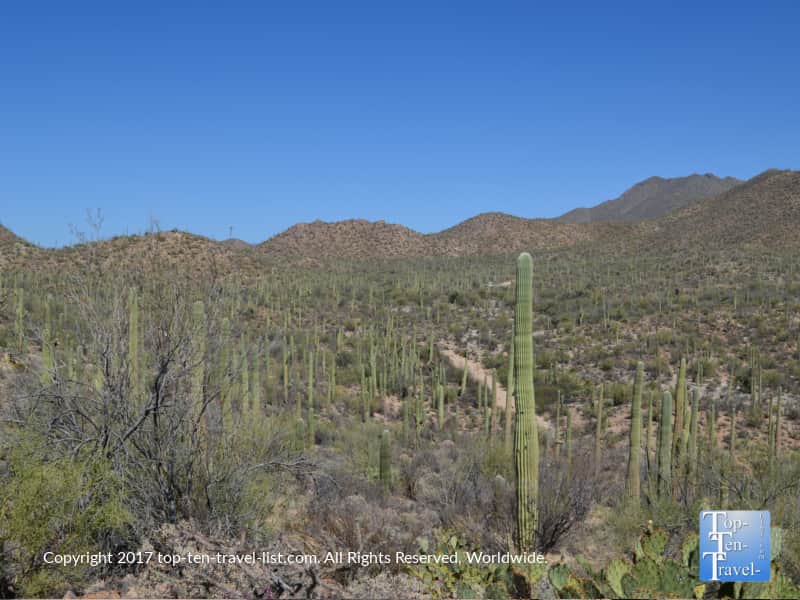
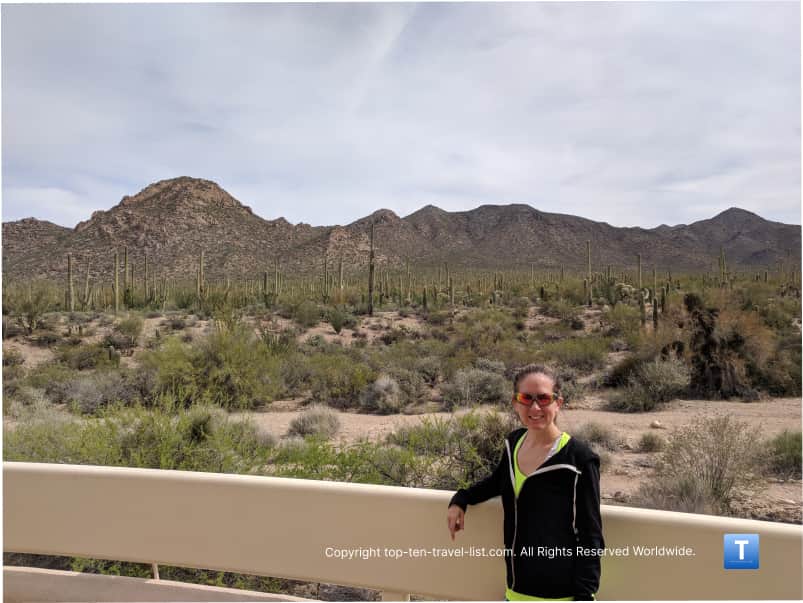
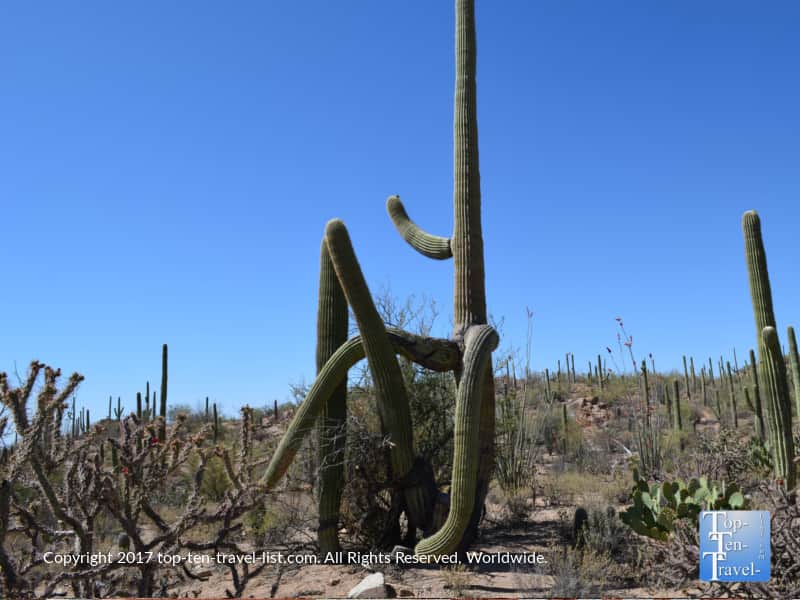
For anyone looking for a trip out of the ordinary, Saguaro is a pretty cool place to visit. The park includes 2 distinct sections: the Tucson Mountain District and the Rincon Mountain district. If you are more interested in seeing lots of cacti, I recommend the Tucson Mountain District. If you are looking for grand mountain views, then go for the Rincon Mountain District. Fortunately, your ticket is good for both if you have the time.
Both districts offer a number of programs throughout the year including a unique night hike where you can keep an eye out for nocturnal wildlife and explore the park in a completely different setting.
Also, both parks feature gorgeous views of the desert, a scenic drive, and several hiking trails varying in intensity, so you really cannot go wrong either way. Spending the day exploring here is a peaceful way to enjoy the serenity of the desert. Standing next to these giant cacti really is a once-in-a- lifetime experience, and I never get tired of hiking here or any other trails in the metro.
The beautiful Saguaro has come to symbolize the American Southwest, and although used in various products and logos of other Southwestern states, but there is only one area of the country where you can actually see these magnificent plants up close.
Things to know
Admission: Pricing is $25 per vehicle and includes entry to both districts for 7 days. Individual passes are $15.
*If you plan on hiking during the summer months you need to take extreme caution. Set out before sunrise and carry plenty of extra water and snacks. Do not hike when the temp crawls past 90 – it’s dangerous and many die of heat related illnesses each year! For any hike, be prepared for the dry conditions with extra water and salty snacks. I also bring an extra water bottle to pour over my head for a cool down.
*Do not get too close to the cacti. Although the spines are not poisonous, the needles hurt and are very hard to pull out as there are so many of them!
*Wear a hat. The sun is blazing hot almost every day. It feels hotter than anywhere else in the country. Blocking a bit of the rays helps with the heat (just a little bit).
Nearby attractions: Mini Time Museum of Miniatures, The Arizona Sonora Desert Museum (great intro to the Sonoran), and Catalina State Park (beautiful trail system in the suburb of Oro Valley).
4. Redwood National and State Parks
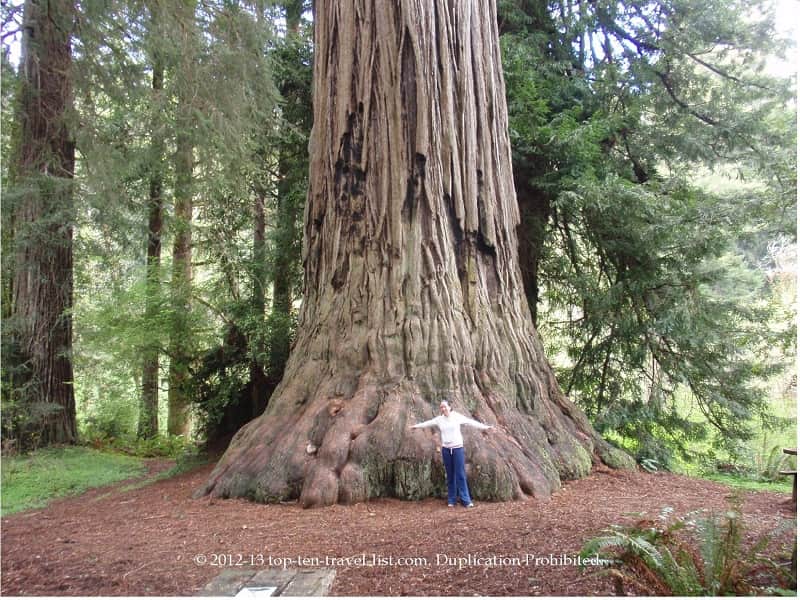
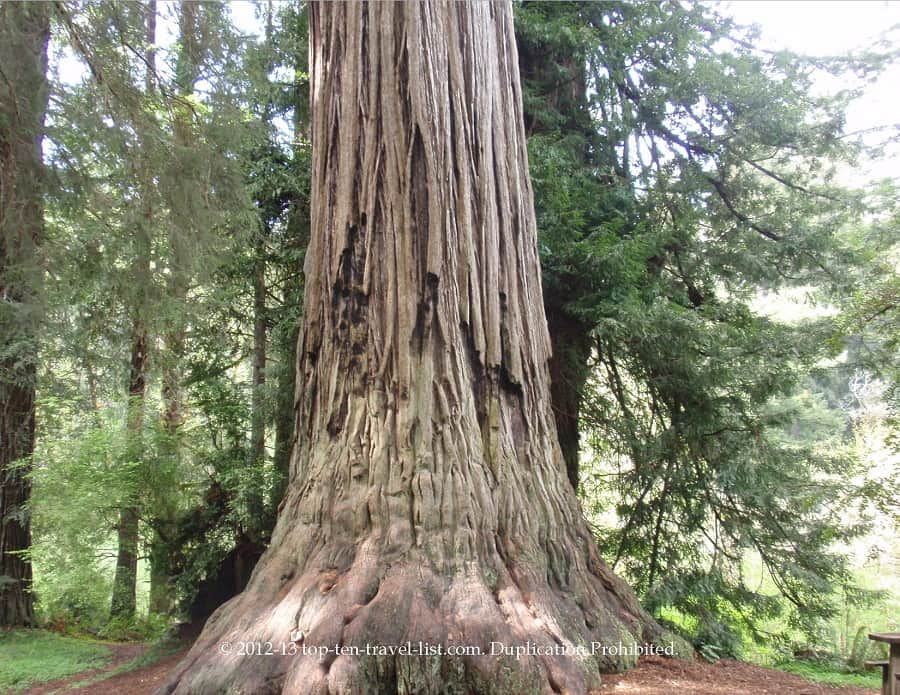
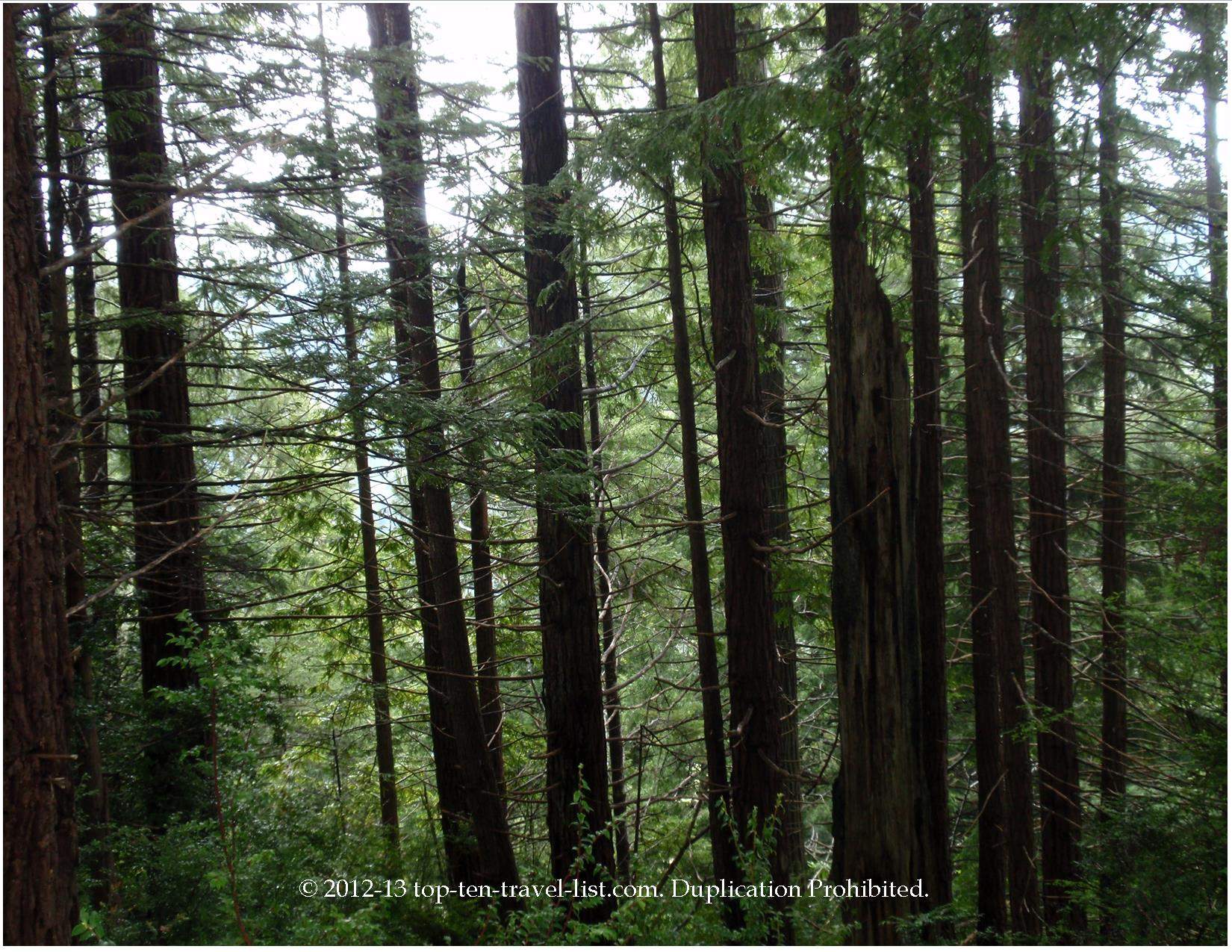
Northern California is home to the mesmerizing coastal redwoods: the tallest trees on Earth. Redwood National and State Parks is a large protected space of forests, grasslands, and beaches along the gorgeous Northern California coast. It’s still a mystery as to why these trees can grow to be 367 feet tall and 22 feet wide. Really, this makes a trip here all the more interesting. We first saw the amazing redwoods on our trip up the PCH/Hwy 101 many years ago. Conveniently, we were living in Long Beach at the time and didn’t have to drive far to begin the journey.
These trees can live hundreds of years and some can even live for thousands of years. Fossils have shown that relatives of the coastal redwoods thrived during the Triassic Period. It is not hard to imagine dinosaurs roaming through these gigantic trees. The entire region feels a bit eerie and mysterious with the gigantic trees and dreary foggy weather. Walking through the green mist of towering trees, you cannot help but imagine a Bigfoot which probably explains the many sightings reported in this particular area. Check out all the sightings in N. California!
The drive up the gorgeous Hwy 101 is an experience in and of itself, and by far one of the most amazing drives anywhere in the world. There is tons to do and see along the way, jaw dropping views the entire journey, and interesting attractions to check out. Here’s my guide to exploring the best of the PCH where you can learn about some of the attractions along the route.
There is much to do in this region, from simple hikes to all day adventures, scenic drives including the famous Avenue of the Giants, camping and picnicking, water activities, and so much more.
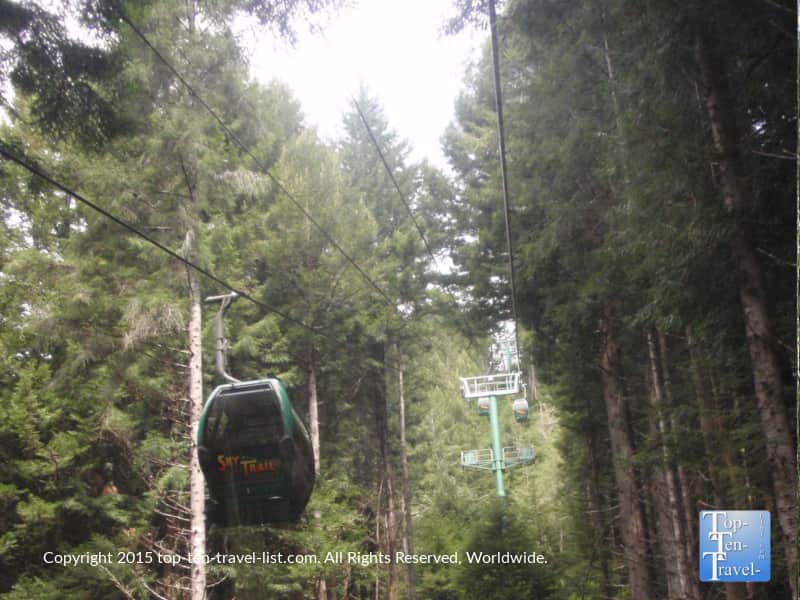
A stop at the quirky Trees of Mystery roadside attraction in Klamath is a definite must-do! The gondola ride here takes you soaring up the redwoods to a magnificent overlook of the area. There is an eclectic museum featuring Bigfoot memorabilia and lots of interesting little known facts about the redwoods and the region in general. It is all sort of cheesy, but that’s part of the fun! This is one of those touristy stops that is overpriced, yet interesting and educational at the same time. Yes, I recommend it!
Things to know
Directions to Redwood National Forest
Admission fees: This park is free.
*Special permits are required for backcountry hiking and camping.
*There is no lodging inside the parks – check for hotels in nearby cities like Klamath and Crescent City.
*Rain gear and sturdy non slip shoes are recommended for the rainy climate as trails can be very slippery.
Nearby attractions: Smith River National Recreation Area, Crater Lake