Attraction of the Week: Wupatki National Monument
Disclaimer: We are not paid to promote any restaurant, hotel, activity, product, or attraction. All opinions are subjective and based on our personal experience. Your experience may be different.

Navajo Nation, which comprises the Northeastern portion of Arizona, Southeastern Utah, and Northwestern New Mexico, is the largest Native American reservation in the country. As the area covers a massive 27,000 square mile land area within these states, it is not surprising that there are a number of interesting cultural attractions to explore. Popular attractions in the area include Monument Valley – the beautiful region consisting of towering sandstone formations which provided a backdrop for numerous Western movies and Four Corners – the only place in the country where you can stand in 4 states at the same time.
Most of the land in this area is completely remote, so if you are looking for a relaxing low traffic desert drive, this is a beautiful area to take a cruise. It’s an easy daytrip from Flagstaff so if you are staying out here to visit the canyon, it’s one of the “7 wonders to check out in the region.”
I was fortunate enough to live in Flagastaff for several years. I got to explore so many fascinating places that I would never have seen otherwise, with Wupatki National Monument being one of the most interesting. This area is rich in Native American history, and this 900 year old pueblo is one of many historical sites to check out while you are here. Most notably, this is one of the best preserved sites and the scenery surrounding the ruins is quite incredible.
Exploring ancient pueblos
At Wupatki, you will have the opportunity to explore a variety of pueblos and learn more about how these ancient tribes lived and entertained themselves more than 900 years ago. It’s crazy to think about the effort these people went through to farm and collect water in an arid area with so little rainfall. For any history buffs visiting the region, this is a really interesting place to add to your bucket list.
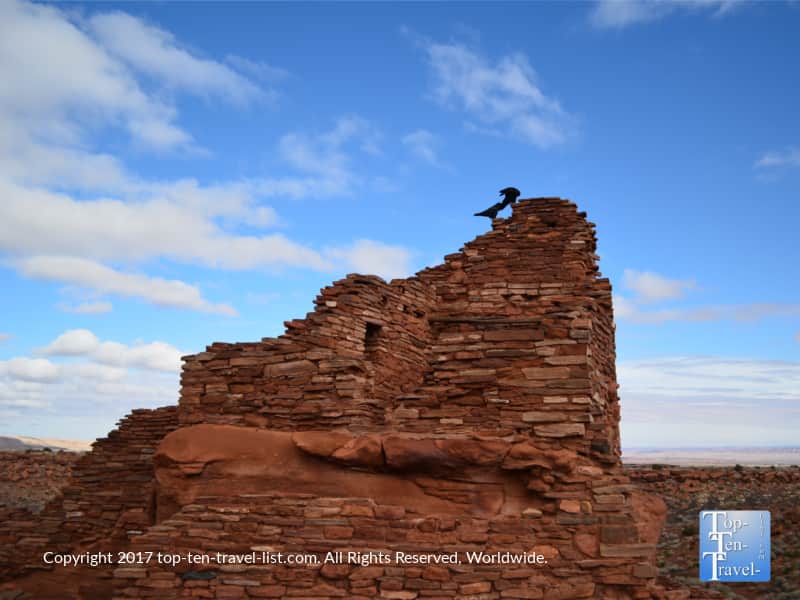
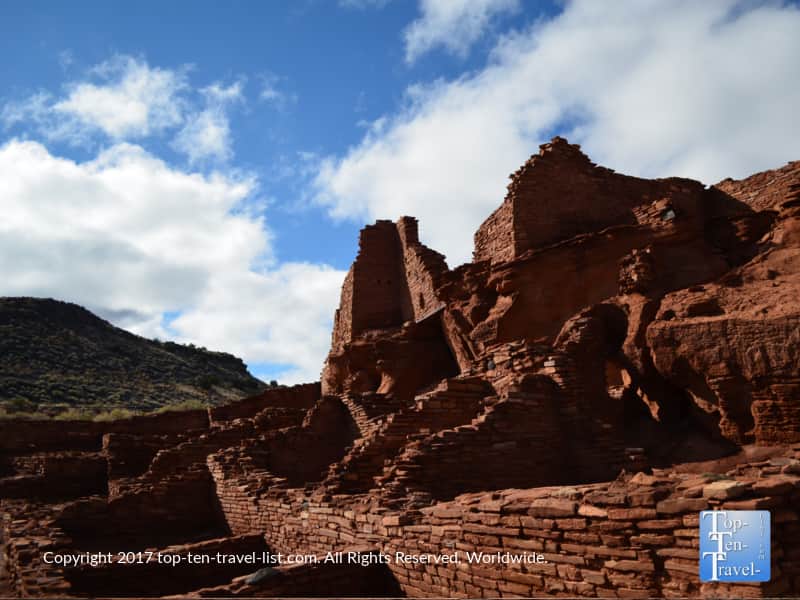
During your visit, you will have the opportunity to explore a number of ruins, the most prominent being this 100 room, 4 story pueblo. Local sandstone was used to build the walls of this pueblo. This gives the pueblo an amazing red color which contrasts beautifully with the bright blue desert skies. I felt such an otherworldly presence in this isolated setting. Because of the sandstone/mortar combination, the walls are pretty solid strong, hence being the reason it is so well preserved.
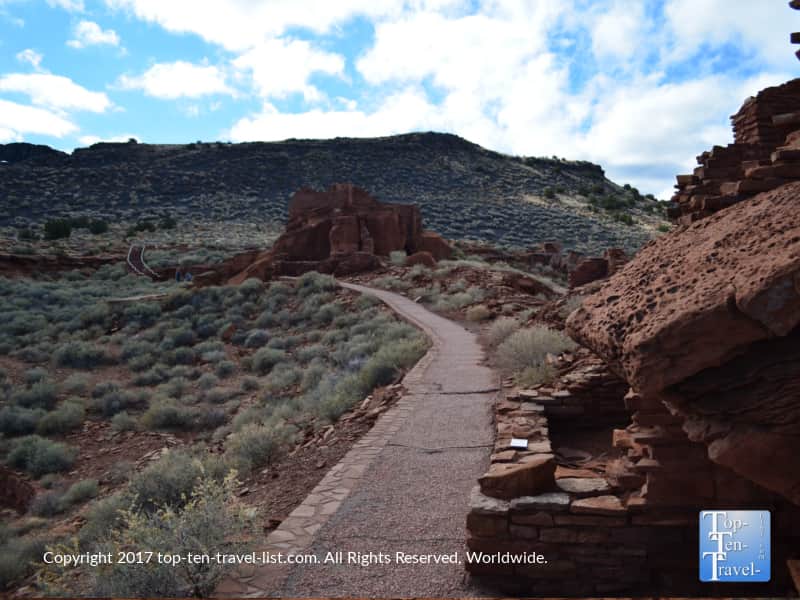
Estimates say 85-100 people lived here in 1182 as it was the biggest building within 50 miles (Wupatki means “Tall House” in Hopi). A quick 1/2 mile trail around the ruins will give you an opportunity to explore in close detail. Be sure to pick up the guide booklet in the visitor’s center – it is very helpful and educational.
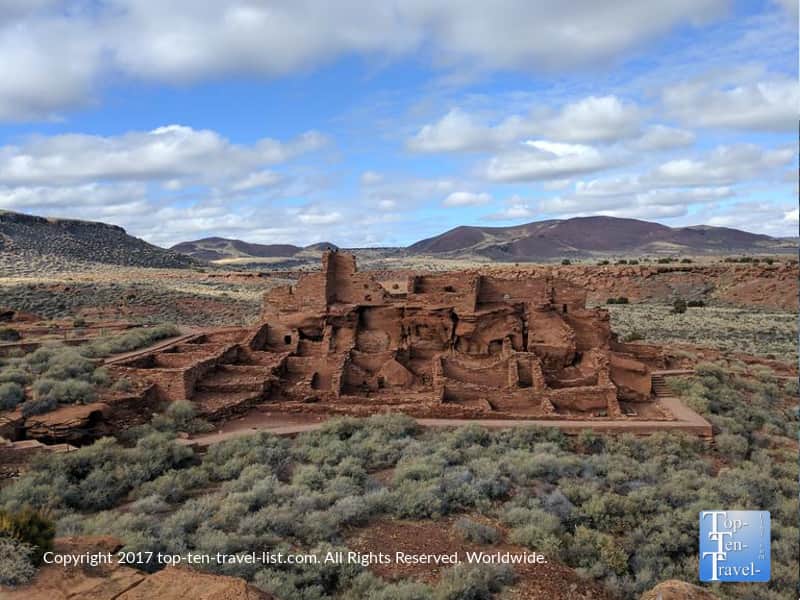
Here are a few picks I took from the trail. Of course, it is so much more mesmerizing in person as pictures do not allow you to see any fine details.
What is a blowhole?
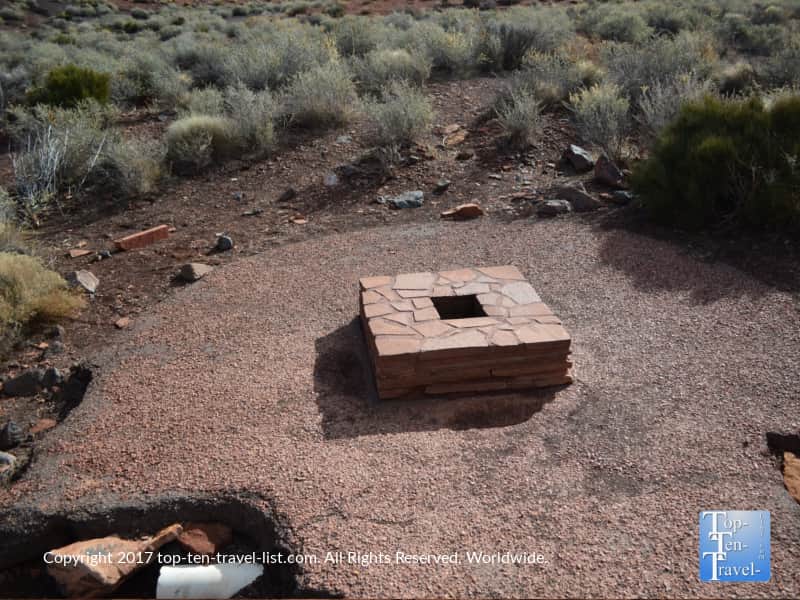
Most visitors walk right by without noticing the blowhole, a rare geologic feature. This blowhole is even stranger due to the middle of nowhere location in the Northern Arizona desert.
The blowhole is a unique feature in which air blows in and out of the ground. This small hole in the ground is like a natural vacuum in which air is either sucked in or blown out. When outside air is warmer, air blows out of , and when it is cooler it is sucked in. Pressure changes also affect the blowhole. In the case of a low pressure system, air is blown out, while during a high pressure system, the opposite occurs.
Hopi cultures believes that these blowholes have spiritual significance – they believe they are tied to the wind god, Yaponcha. Other theories for these mysterious geological features have suggested that they were used as weather predictors (low atmospheric pressure=high chance of rain) or as heaters/air conditioners (air coming from the blowholes is cool in the summer and warmer in the winter). You can learn more about this feature during your visit.
What is a ballcourt?
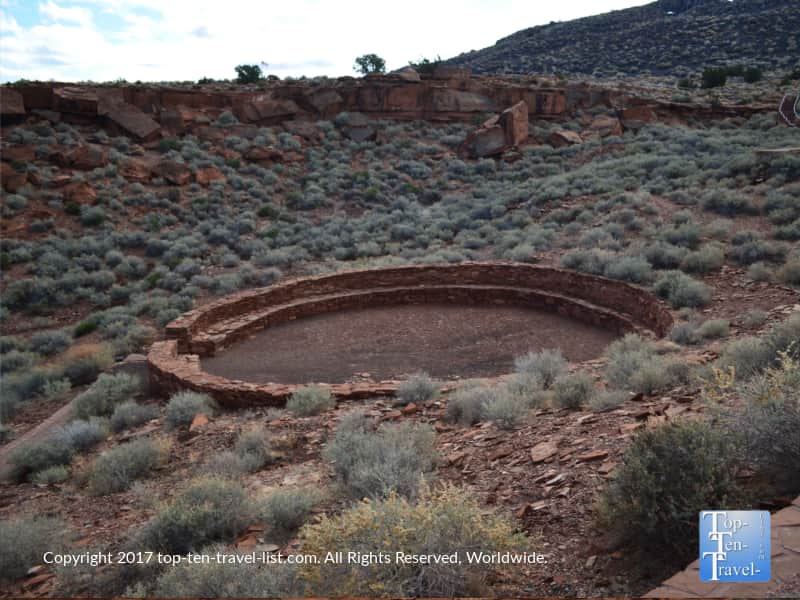
Ceremonial gatherings took place in the ballcourt pictured below. It is speculated that people came from far away to participate in special rituals and ceremonies. Also, theorists suggest the ballcourt could have been used for competitive sports, i.e. an ancient version of hockey.
A little more history
The Cohonina, Kayenta Anasazi, and Sinagua tribes first inhabited Wupatki in 500 AD. The population increased after the eruption of nearby Sunset Crater. The volcanic ash improved the soil’s ability to retain water, thus improving agricultural conditions. By 1225, the site was completely abandoned. However, it is believed that the people that lived here linger on as spiritual guardians.
During your visit, you will also get to explore the Wukoki, Lomaki, Box Canyon, Citadel and Naladhu ruins.
Box Canyon Pueblo
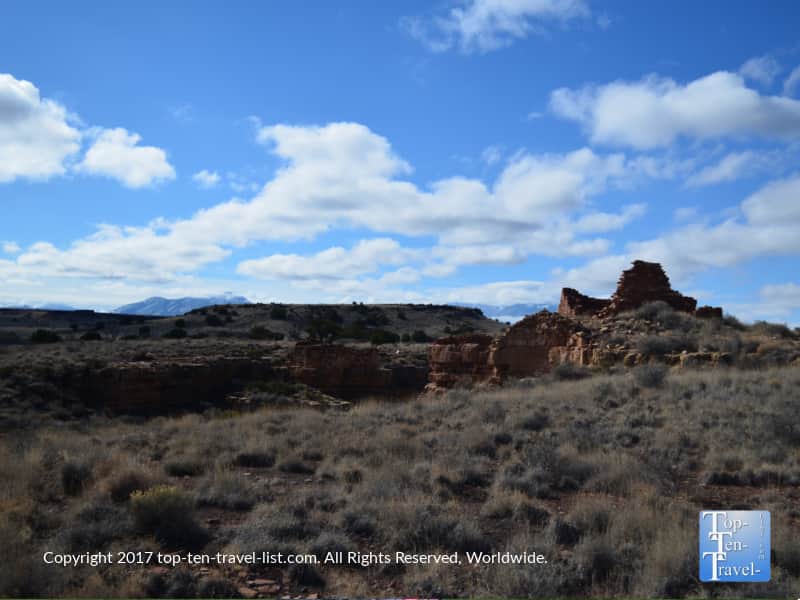
Lomaki Pueblo
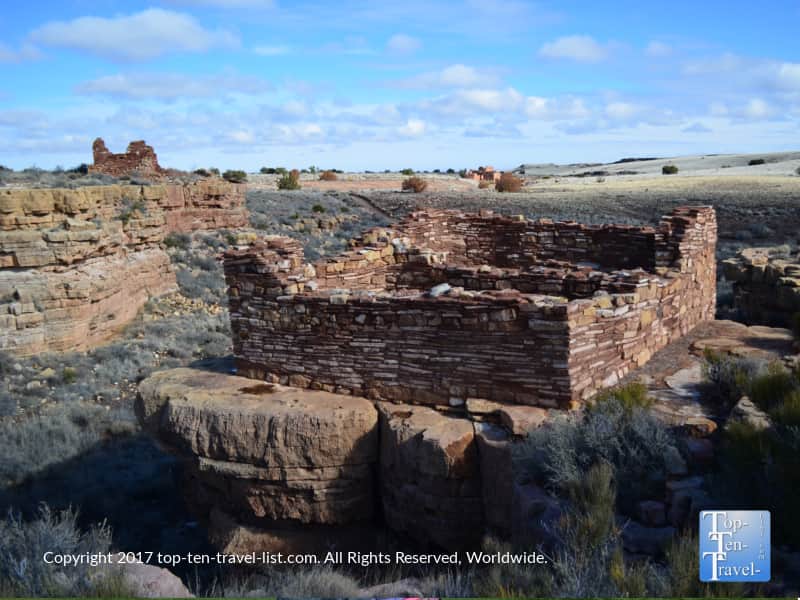
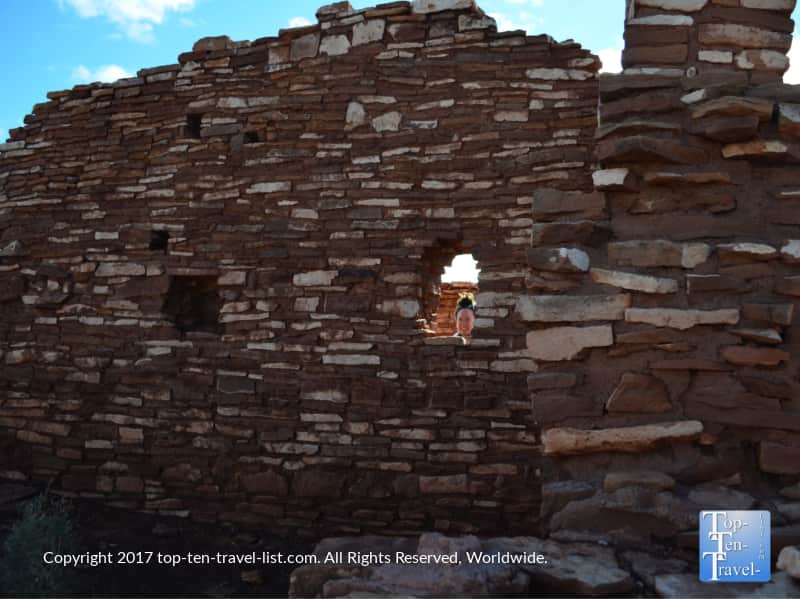
Box Canyon Ruins
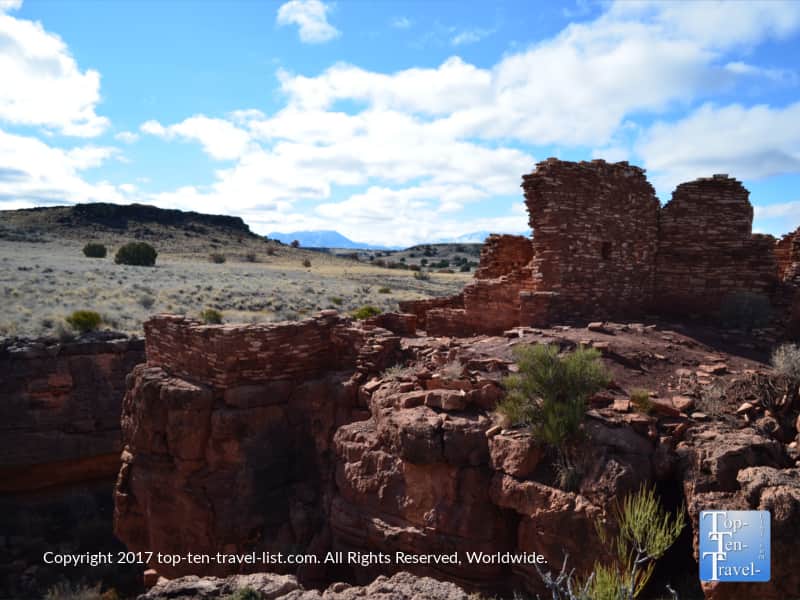
The Citadel is one of the larger ruins. It dates back to the late 1100’s. It is unknown why the area became abandoned by 1250, although the area’s drought is thought to be a strong possibility. A short steep hike will give you a closer look.
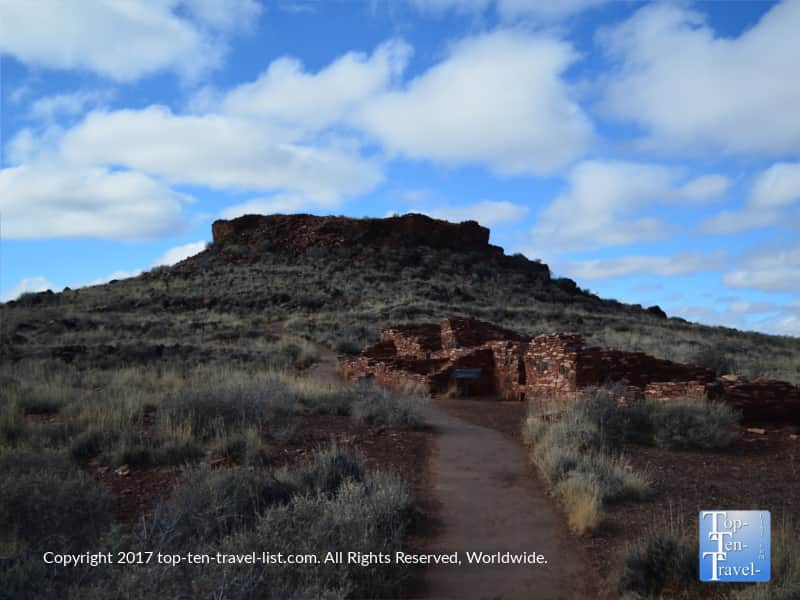
It is unknown why this pueblo was built atop a hill, although it may be the same reason why we build homes in scenic areas today – to enjoy the views! If you look closely, you can see a hint of the San Francisco Peaks in the background.
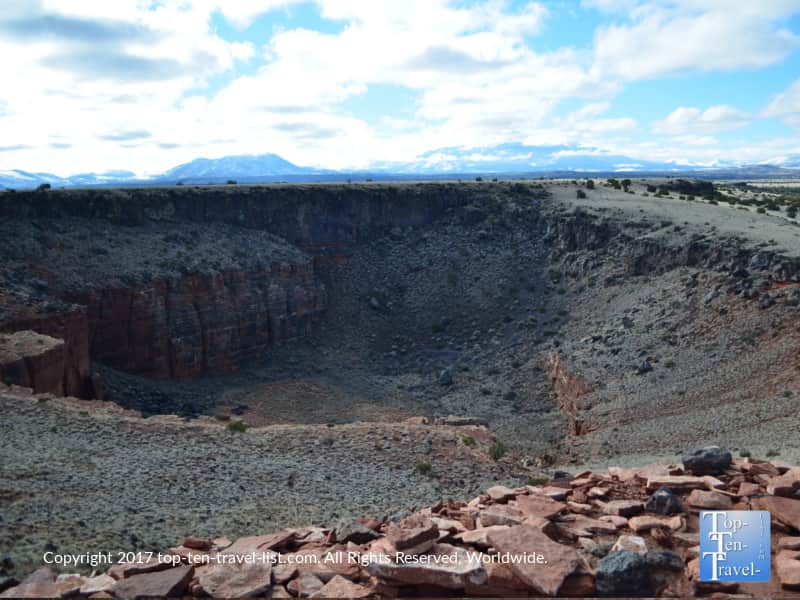
Learn more about this pueblo’s unique history via the NPS website.
The Wupatki-Sunset Crater scenic drive
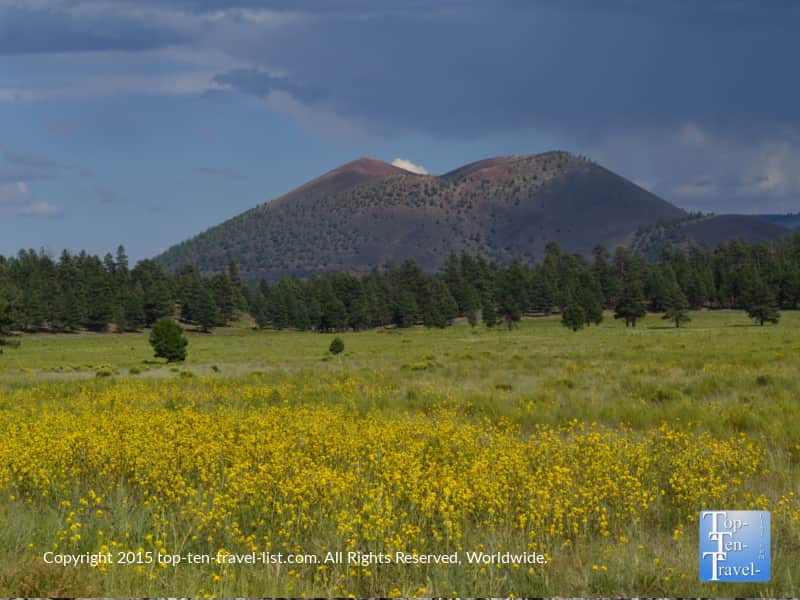
The really cool thing about visiting this monument is that you get to take this really scenic 36 mile drive which connects to Sunset Crater. Your ticket includes entry to both national monuments. Sunset Craters last eruption was about 1000 years ago. During your visit, you will have the opportunity to take a self guided walk along the Lava Flow trail. Not only is this a really cool historic site, but the scenery is quite beautiful.
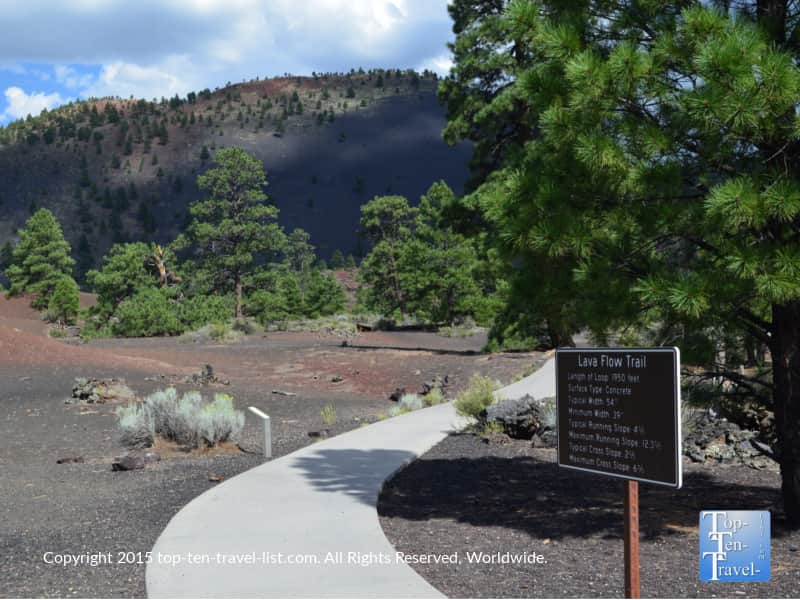
The drive itself is very scenic with a gorgeous overlook featuring spectacular views of the San Francisco Peaks (Arizona’s highest mountain range) in any season. The elevation rises 2000+ feet so the scenery is pretty diverse. It’s an exciting drive with a lot of cool sights along the way. The landscapes vary from sparse desert vegetation to towering ponderosa pines.
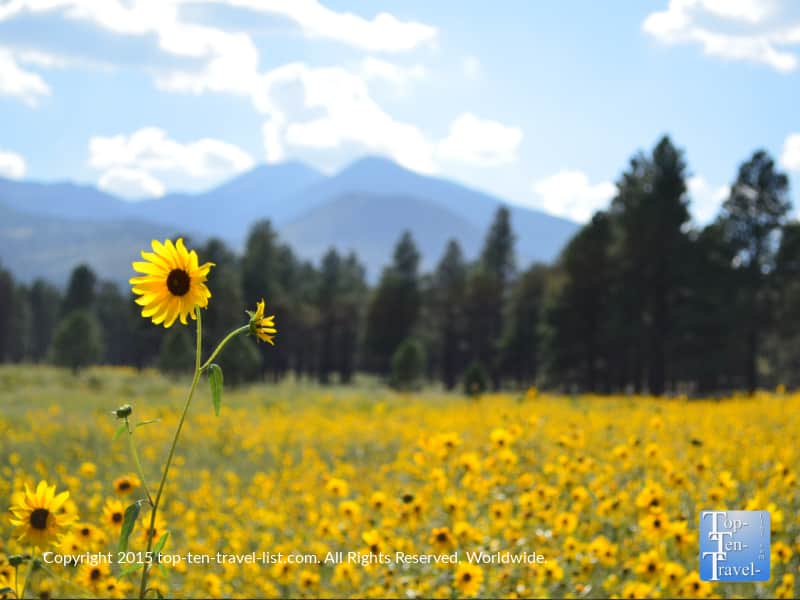
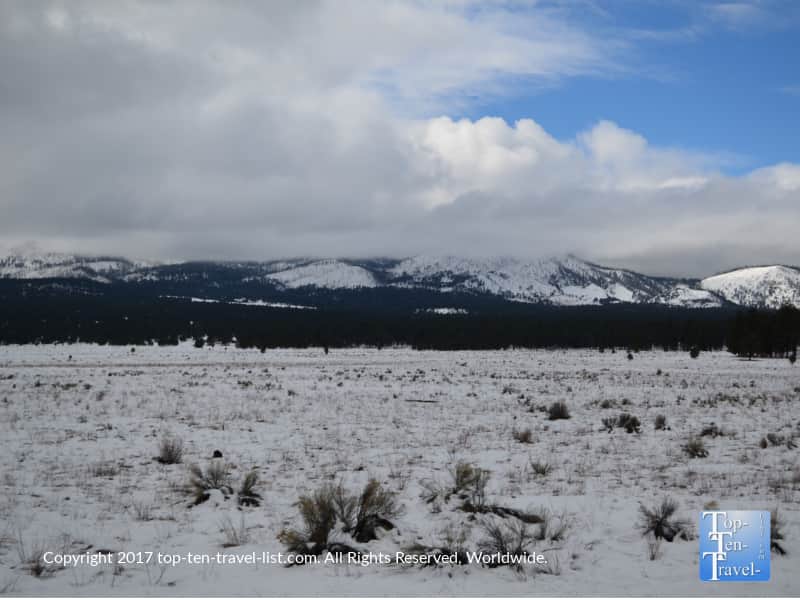
I really love the scenic mountain vistsas from the Bonita Meadow overlook. If you time your visit just right, you will get to see some summer wildflowers (late August).
Tips for a great visit!
Drink plenty of water. You are in a dry, high altitude desert climate. Drink even if you are not thirsty to prevent dehydration and altitude sickness.
If looking for a budget friendly alternative, consider visiting on a National Park free day. There are several free admission days per year.
Pick up a guide in the visitors center. It is a valuable resource for anyone you would like to learn more about each pueblo and the history of the Native American tribes who lived here. It’s free to browse through during your Wupatki hike.
I recommend buying an annual pass for $80 if you plan on attending other national parks/monuments within the year. This pass is a great value as it easily pays for itself after just a few national park visits!
Location & Pricing
Wupatki is located at 25137 N Wupatki Loop Rd. in Flagstaff The $25 vehicle pass fee includes entry to both Wupatki and Sunset Crater. Pricing current as of 2025 and subject to change. No cash.
Looking for more to do? For a full guide to the best historical sites (as well as great hikes and tourist destinations), be sure to check out my Arizona Travel Guide.