Attraction of the Week: The Carnegie Museum of Natural History in Pittsburgh
Disclaimer: We are not paid to promote any restaurant, hotel, activity, product, or attraction. All opinions are subjective and based on our personal experience. Your experience may be different.
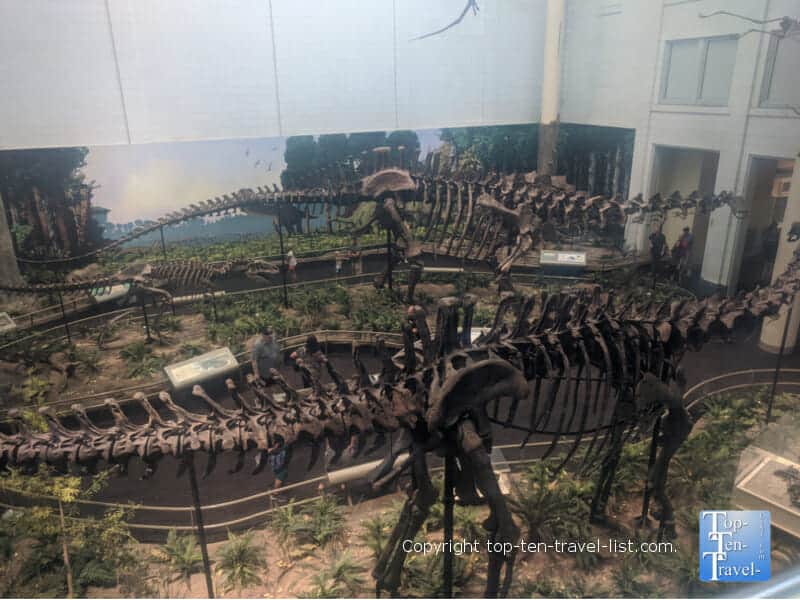
Pittsburgh’s Natural History Museum is one of 4 Carnegie Institute museums located in Pittsburgh. If you love dinosaurs, nature, wildlife, and history, then this is definitely the one to put near the top of your bucket list. The museum is most well known for its’ extensive dinosaur fossil collection, an impressive 1300+ piece mineral and gem collection, and dozens of realistic dioramas spotlighting wildlife in North America and Africa. It is one of the country’s largest natural history museums and has won numerous awards. In 2022, it was rated Best Museum in Pittsburgh by “Best of the Burgh” readers. While living in Pittsburgh, I strolled around this museum at least a dozen times. I really enjoyed looking at the glistening gem collection and exploring the dinosaur exhibits.
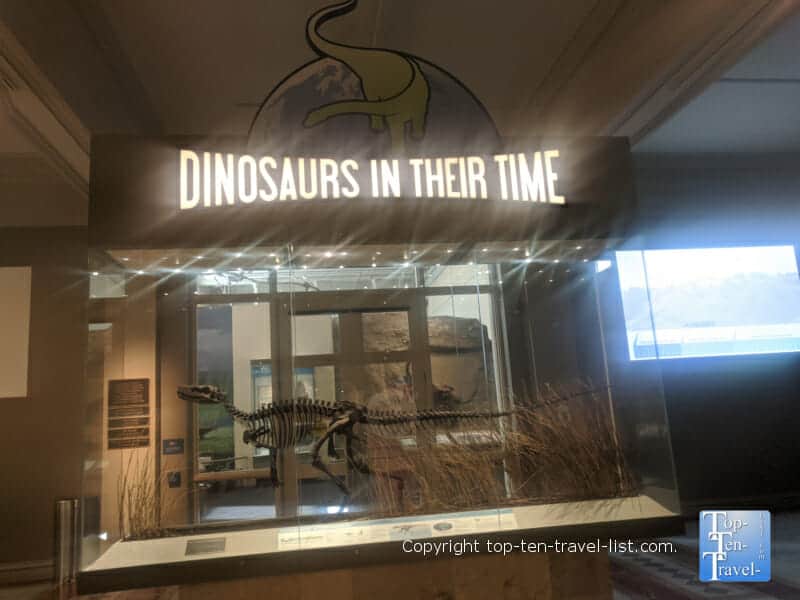
Dinosaurs: In Their Time
The biggest tourist draw here, Dinosaurs: In Their Time, features dozens of fossils from the Mesozoic Era. According to the museum, 75% of the more than 230 objects on display are original fossils. Most skeletons are real, not replicas. The display is very aesthetically appealing as dinosaurs are featured in realistic habitats. Each habitat is scientifically accurate according to the museum. This leads to an authentic experience where you can imagine life in this time period.
Holotypes within the collection include Apatosaurus louisae, Diplodocus carnegii, and Tyrannosaurus rex. This means that they are the standard fossils to which others of the same species are compared.
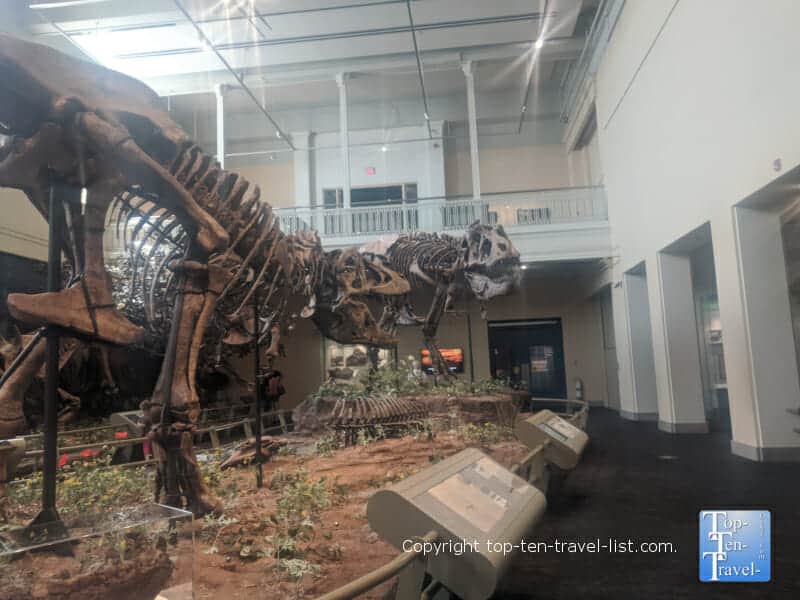
Note that this will be the most crowded section of the museum. If you want to take your time reading and exploring, it’s best to visit right at opening. Or better yet, plan your museum visit for a slow weekday.
Take a quick glimpse through this wonderful exhibit
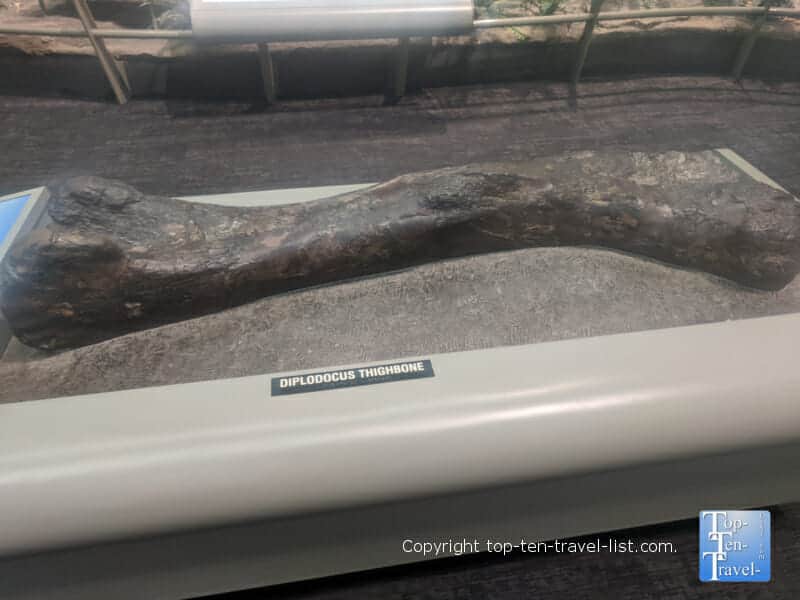
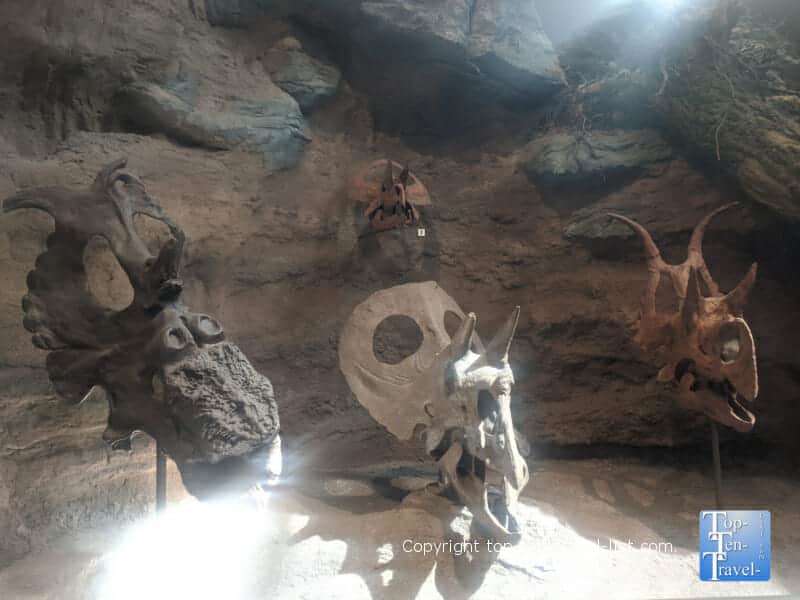
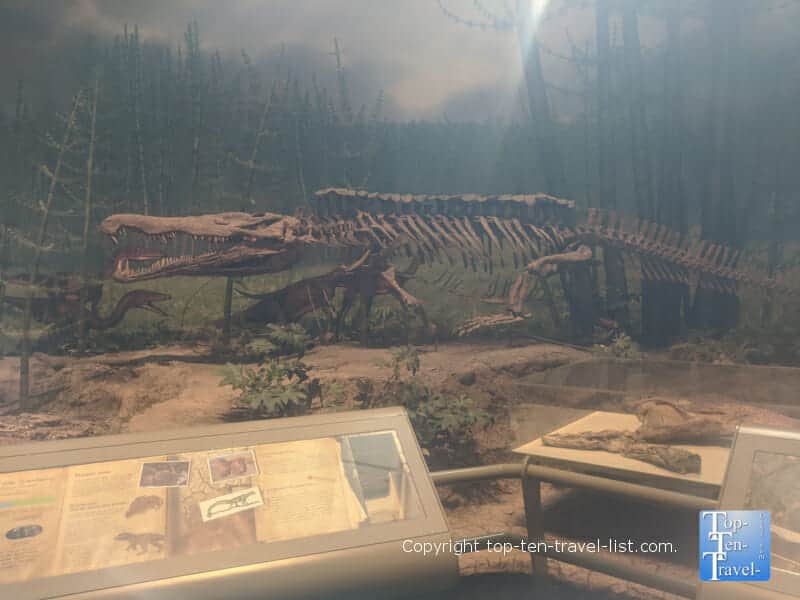
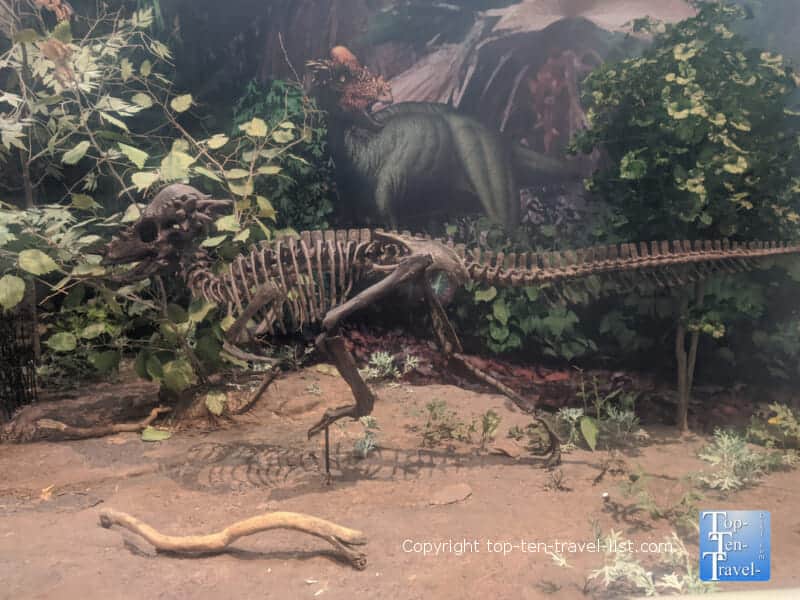
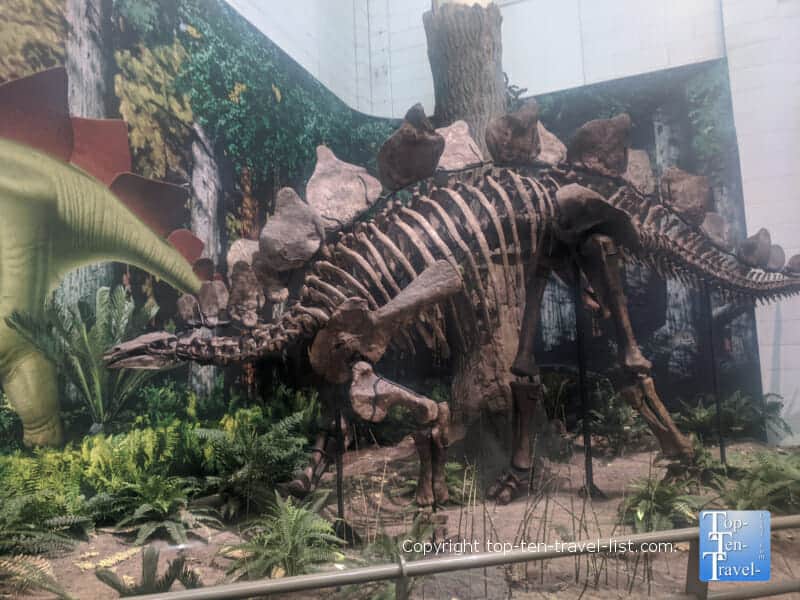
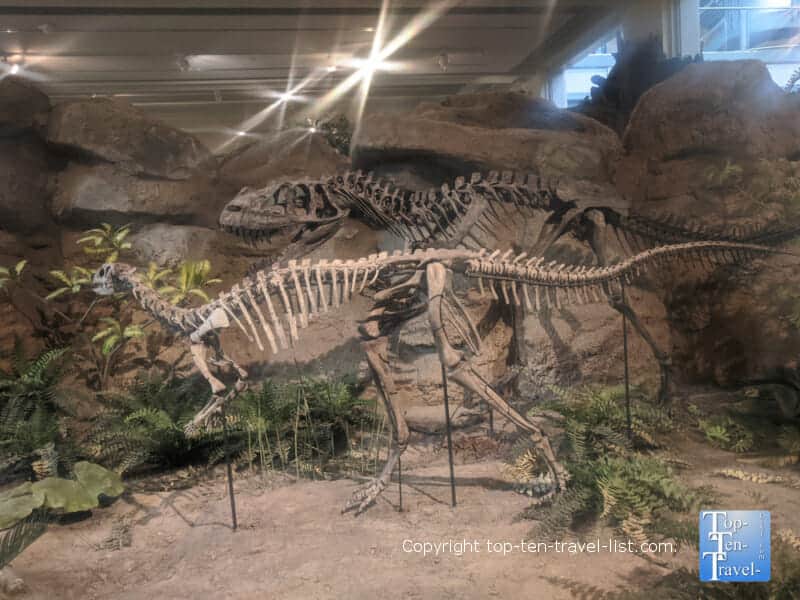
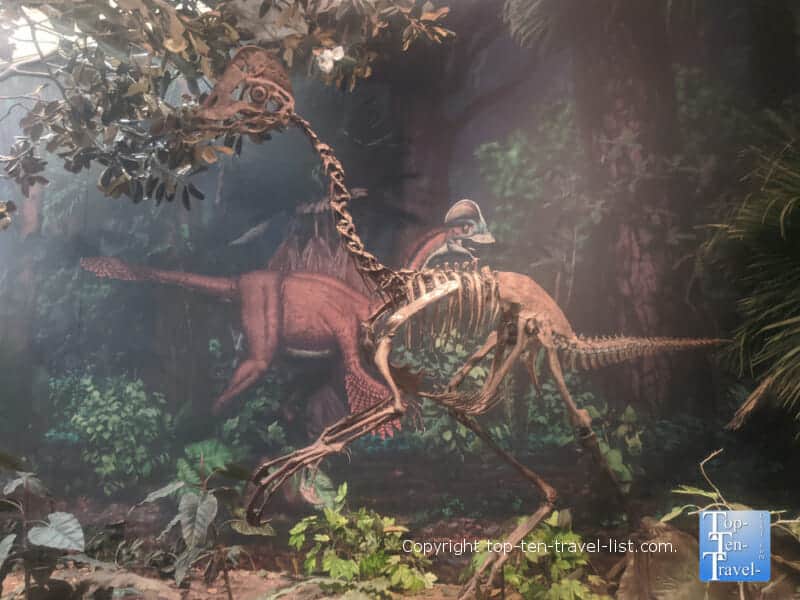
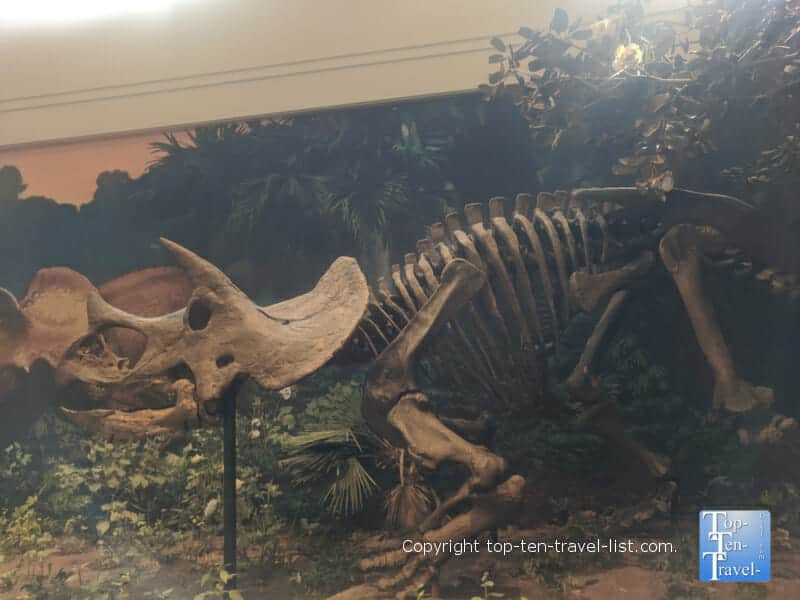
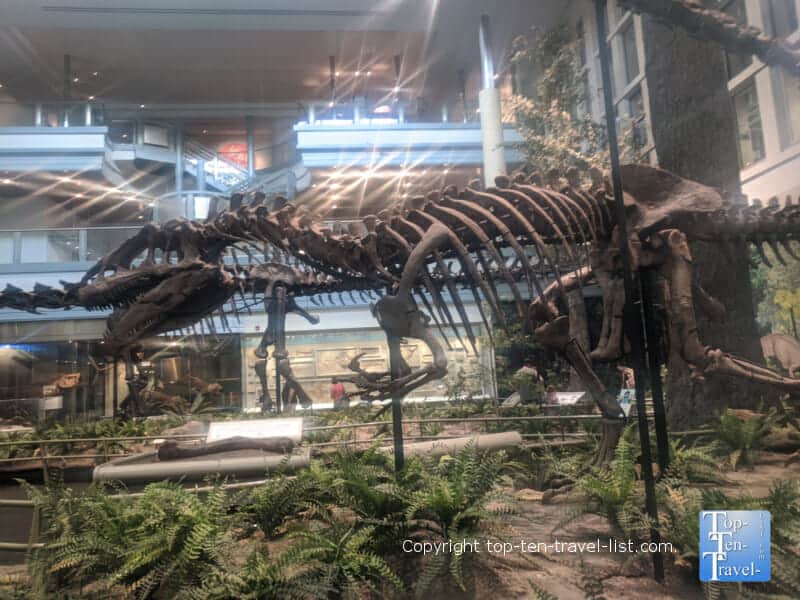
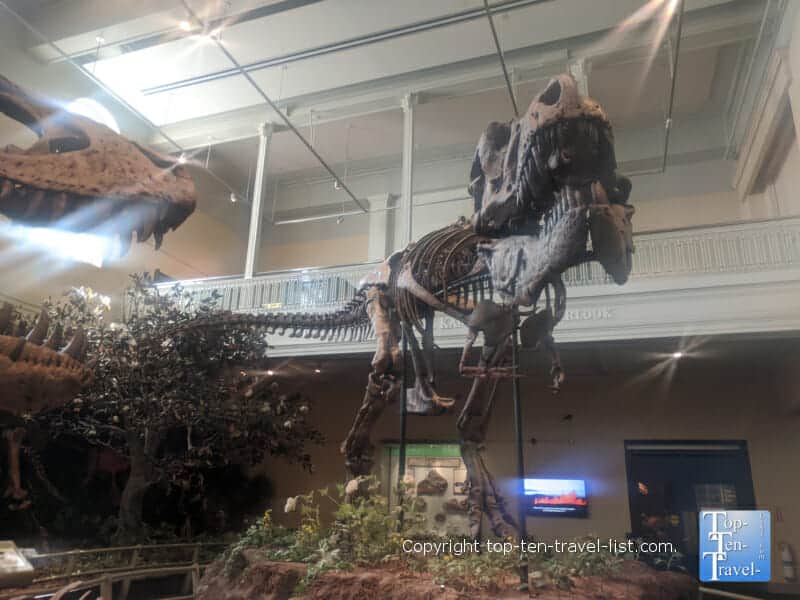
Note that there is a great overview of the entire exhibit via the 2nd floor. This is a great place to take a picture.
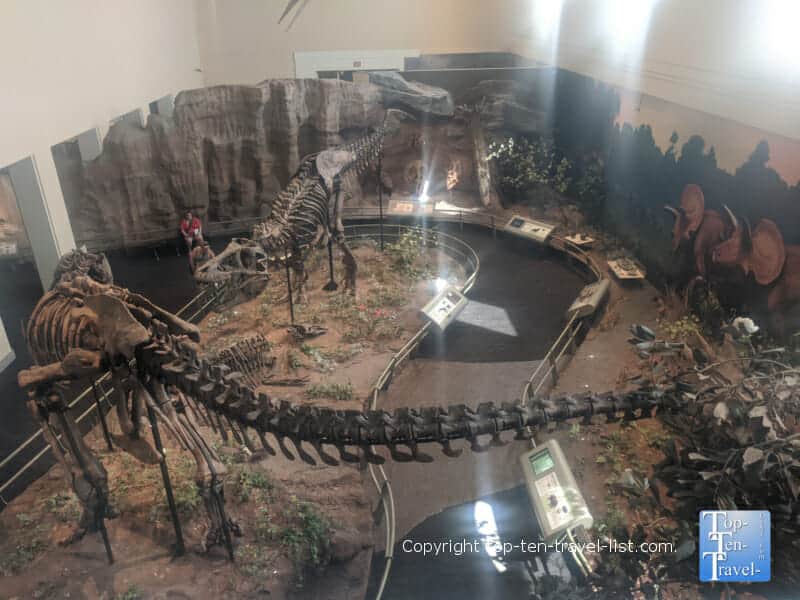
Hillman Hall of Minerals and Gems
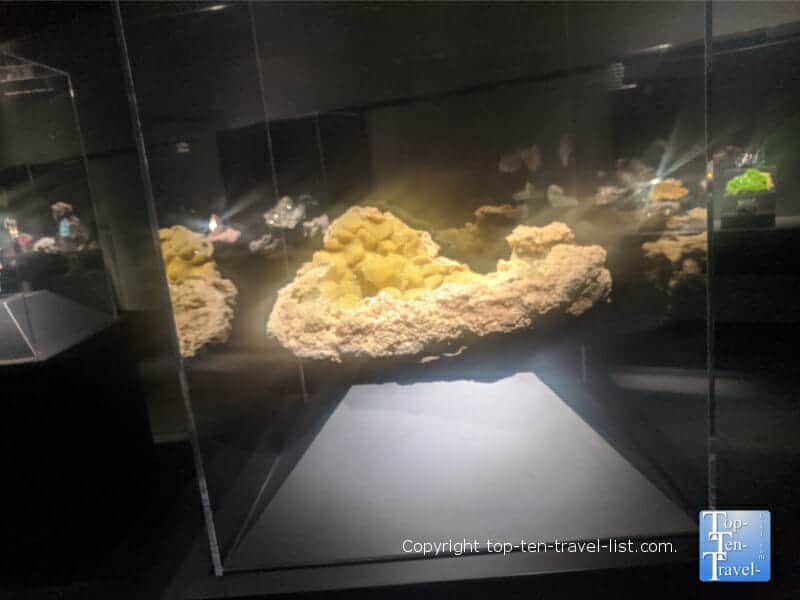
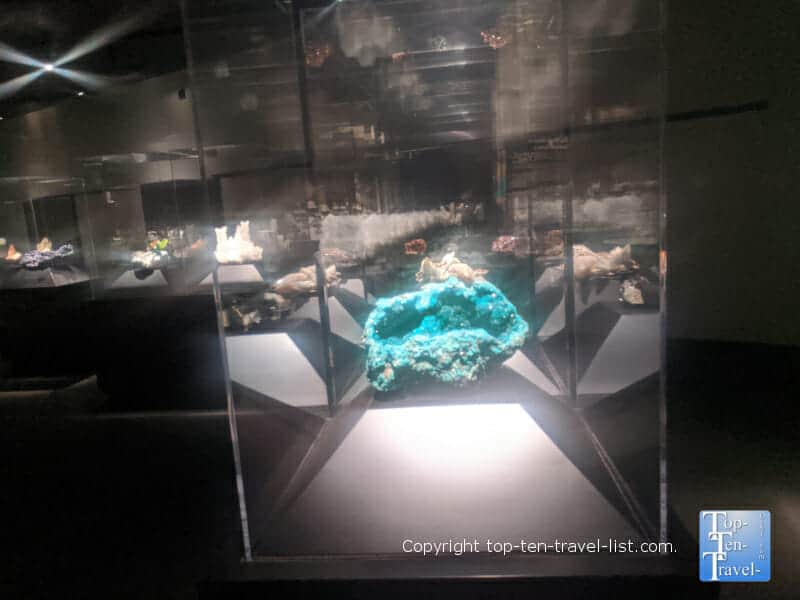
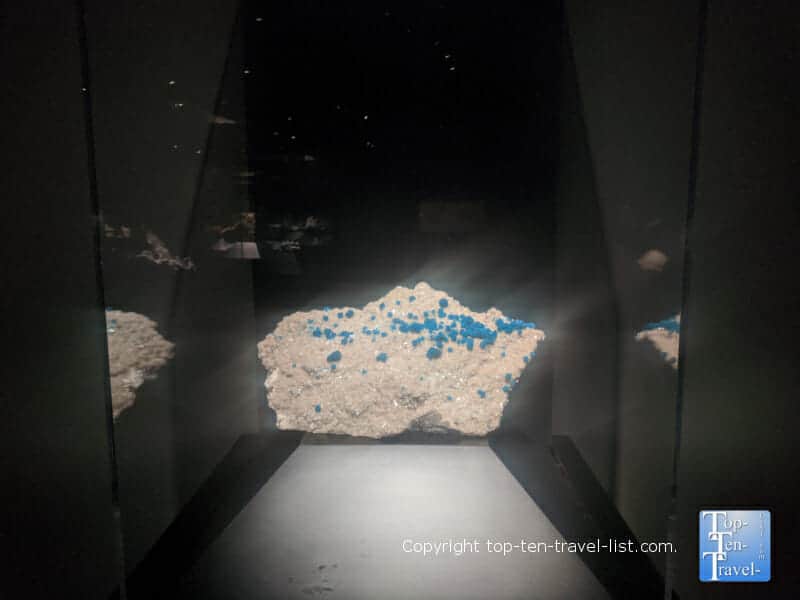
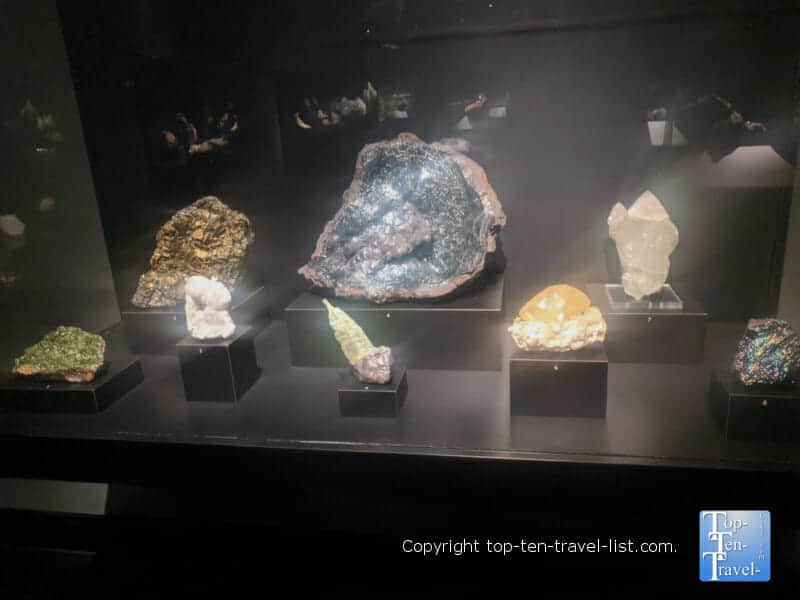
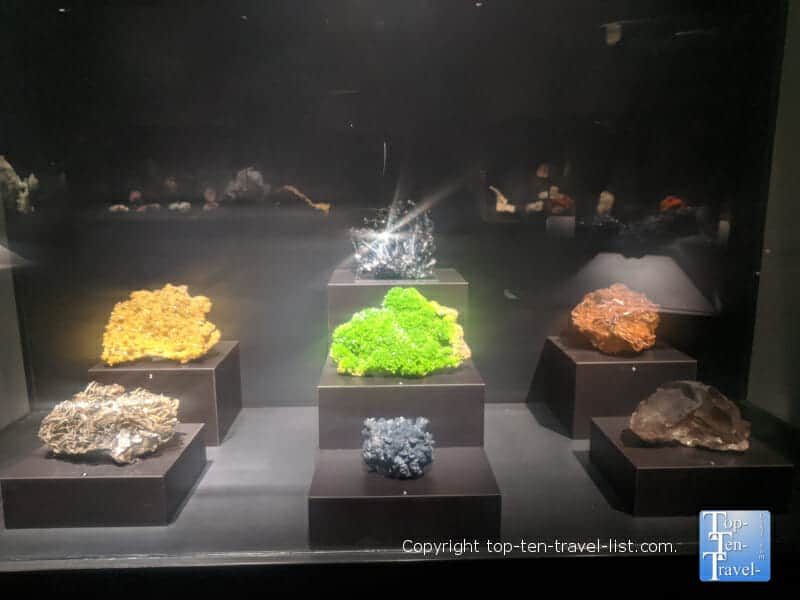
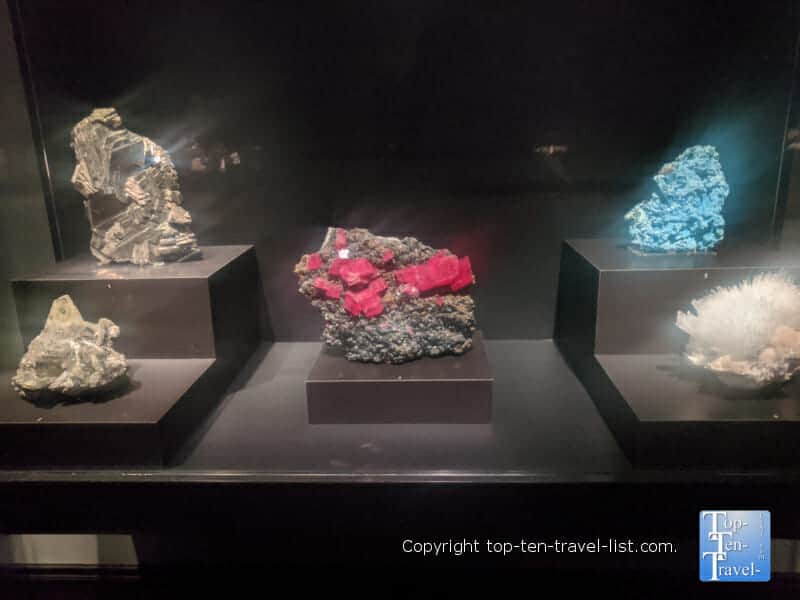
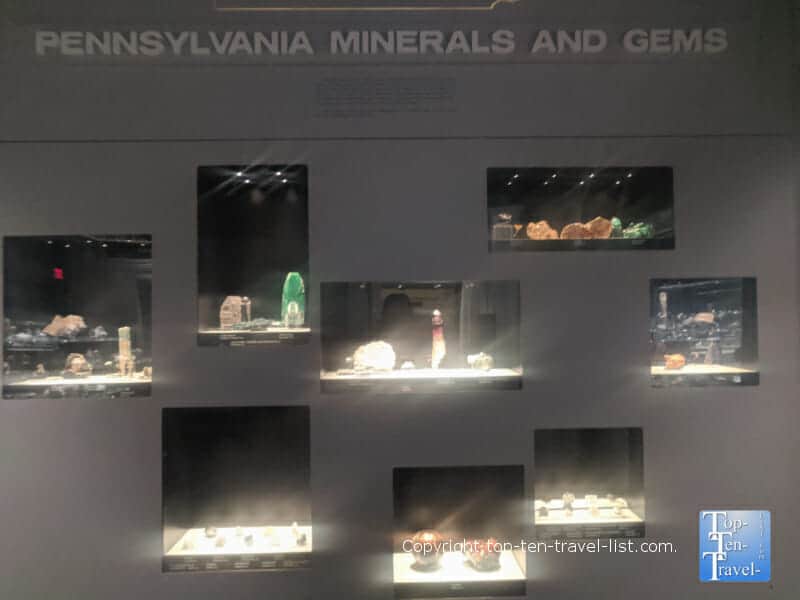
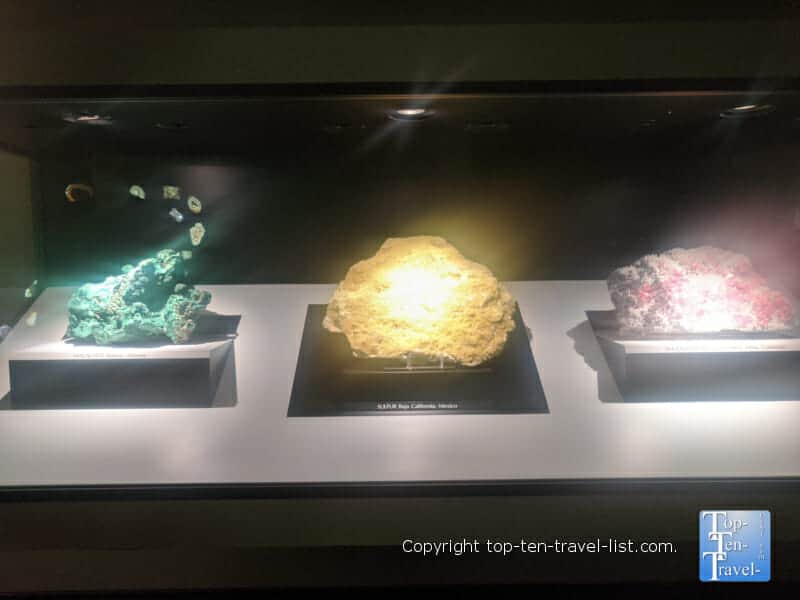
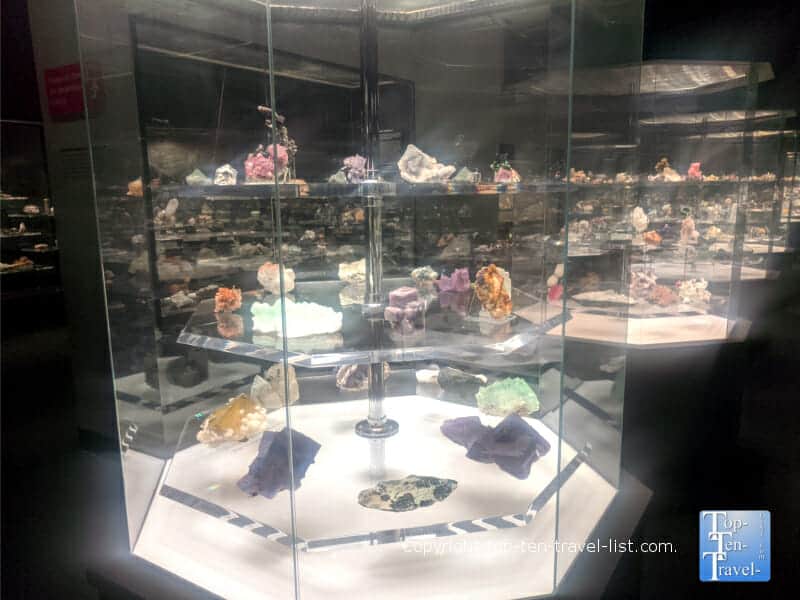
The most fascinating exhibit in this museum is the impressive collection of more than 1300 minerals and gems from around the world. a point to stroll through this section every time I visit. I make it If you love anything that sparkles, then you will love exploring the diverse range of sparkly, colorful, and unique natural gems. Besides just gazing at these colorful creations, you will get to learn more about each mineral, explore an exhibit dedicated to Pennsylvania minerals, and view a dazzling hall of jewelry. Learn why some minerals glow, why certain colors form, which can be transformed into jewelry pieces, and much more.
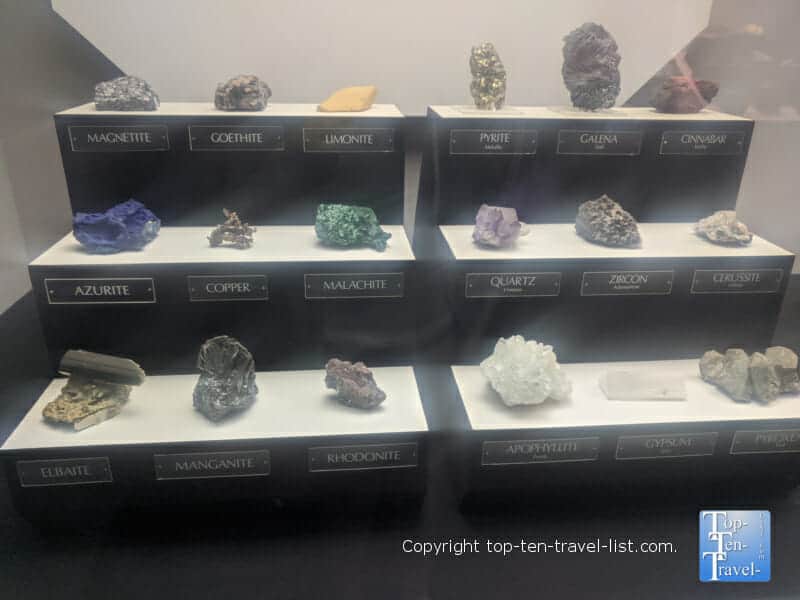
Cretaceous Seaway
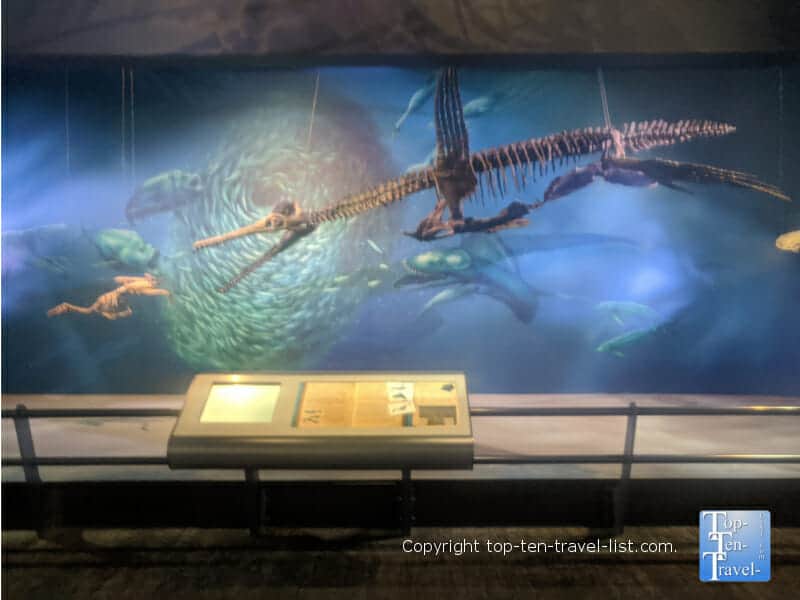
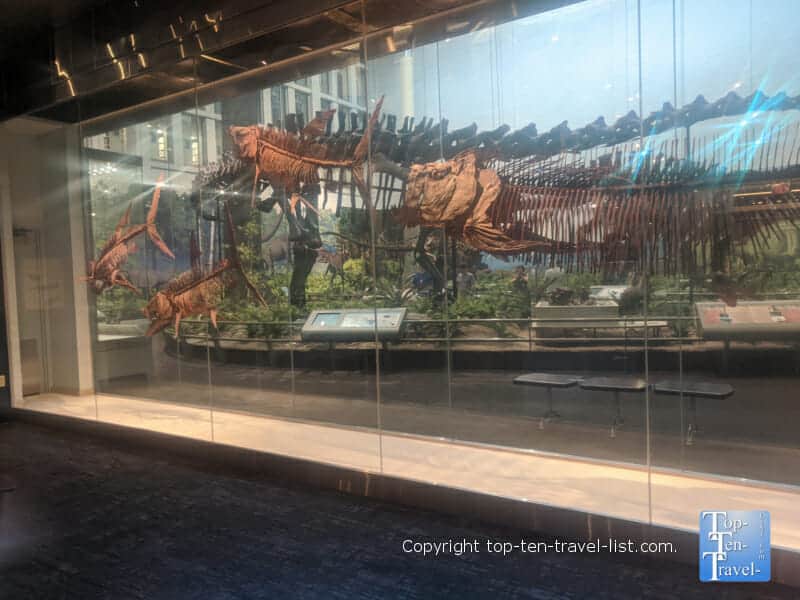
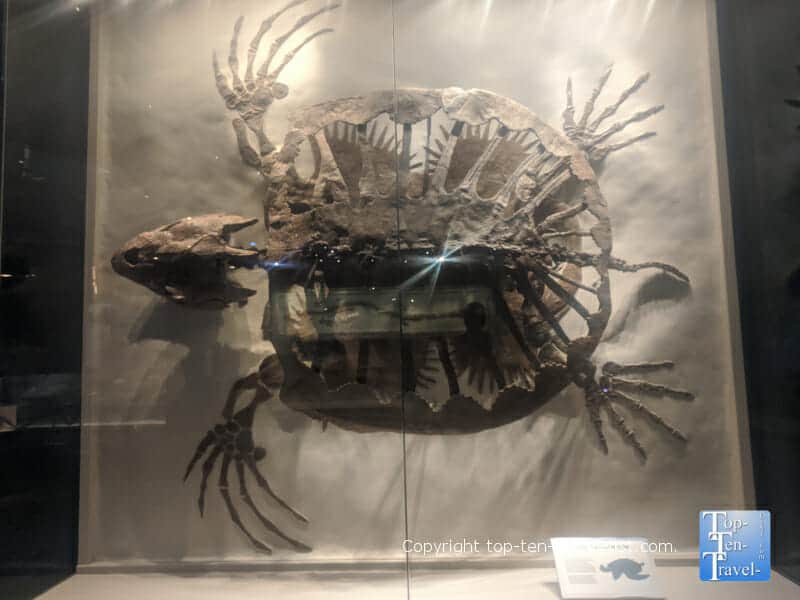
Cool exhibit where you can explore underwater creatures which lived during the Dinosaur era. Highlights include a giant turtle fossil and a 40-foot mosasaur. This exhibit is connected to the Dinosaurs, although much less crowded. When you tire of the crowds, it’s a nice little escape.
Age of Mammals: The Cenozoic Era
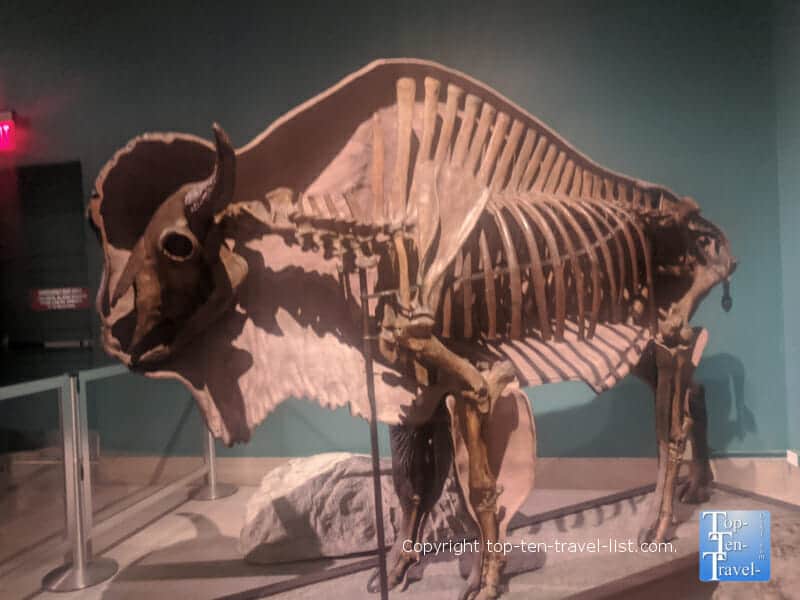
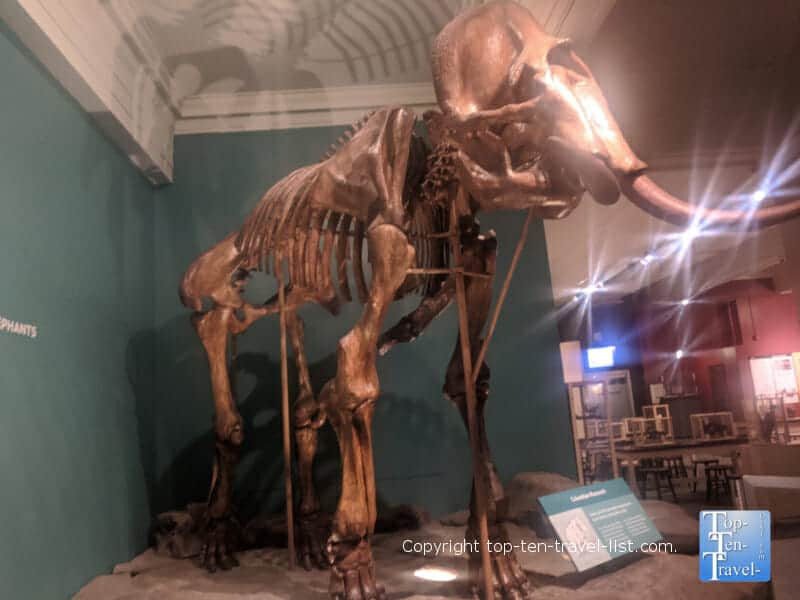
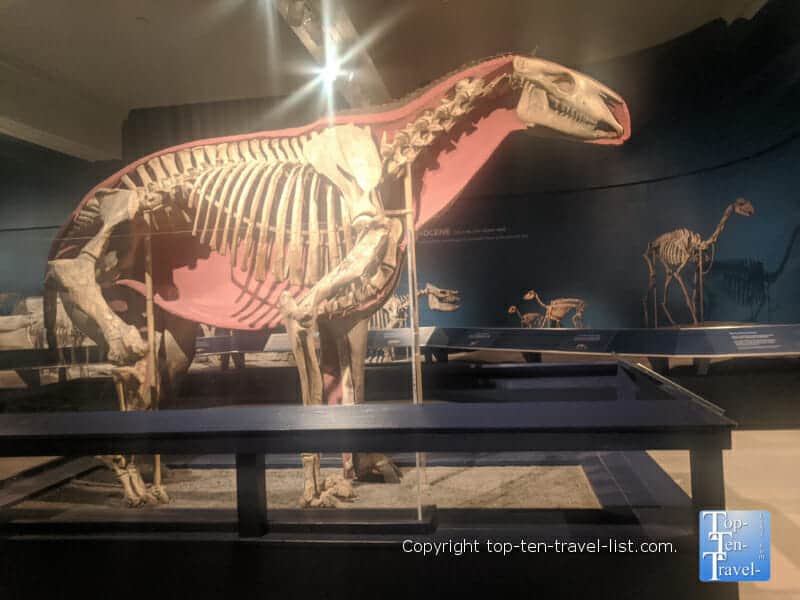
This exhibit highlights mammals which existed 66 million years after the dinosaur extinction. Highlights include a fossil from a Columbian Mammoth who lived during the Ice Age.
Hall of North American Wildlife
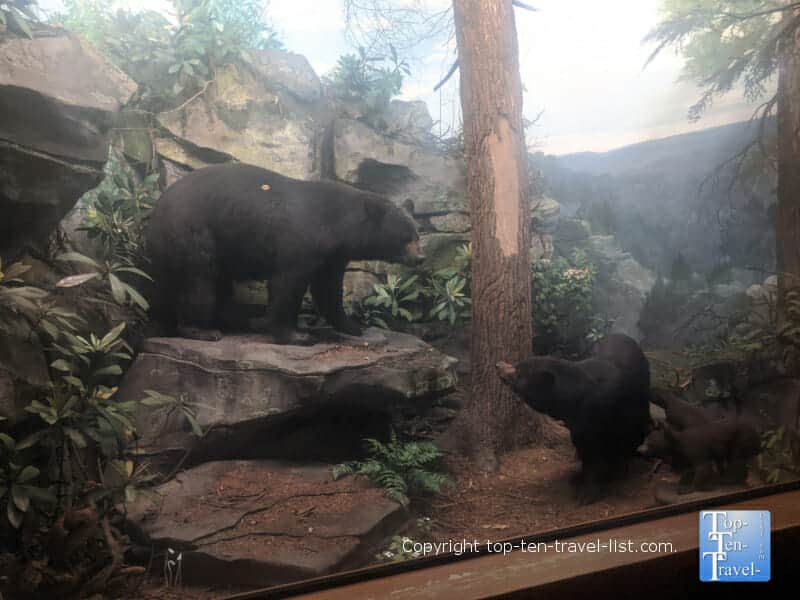
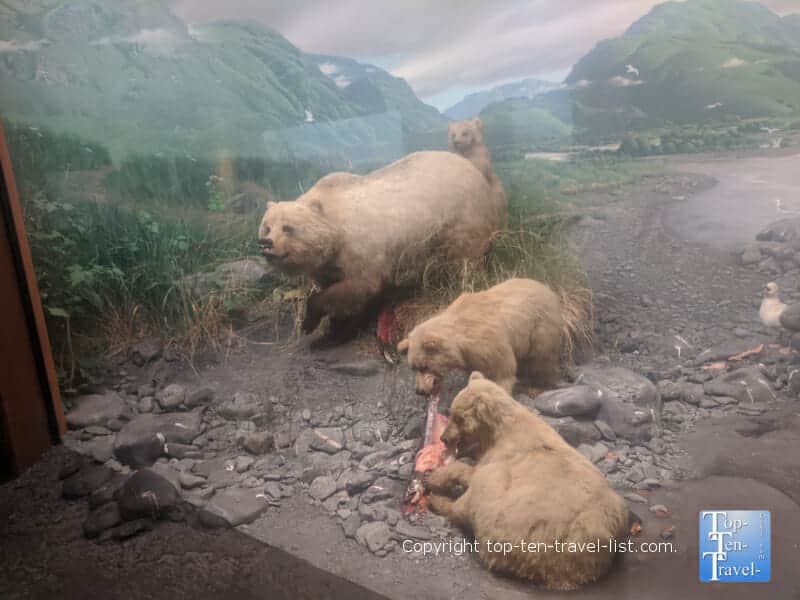
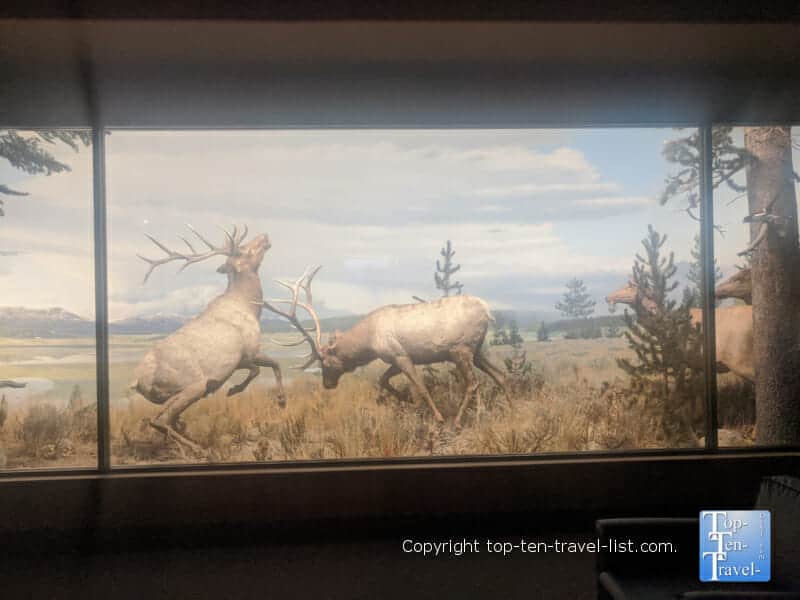
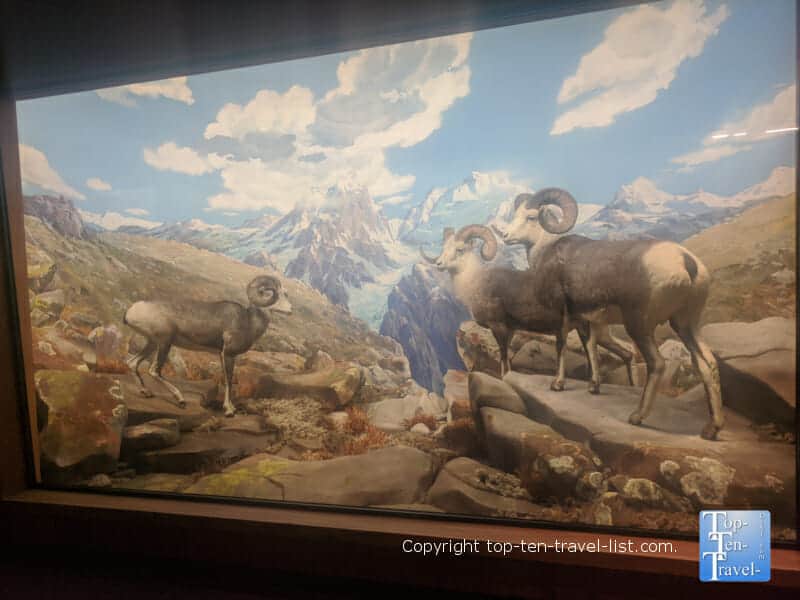
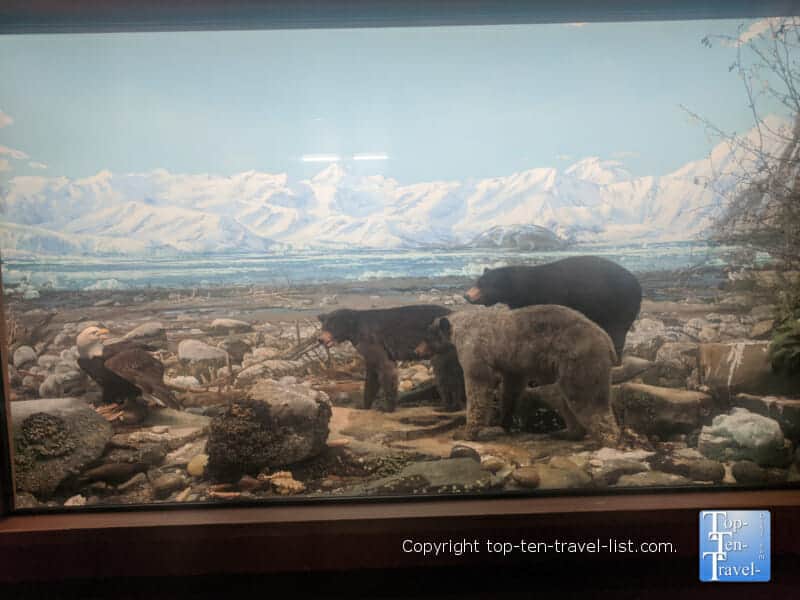
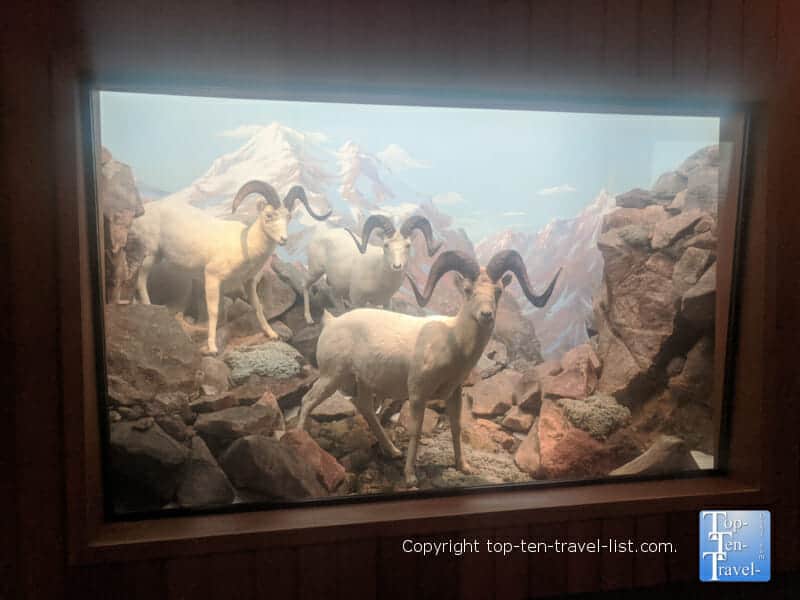
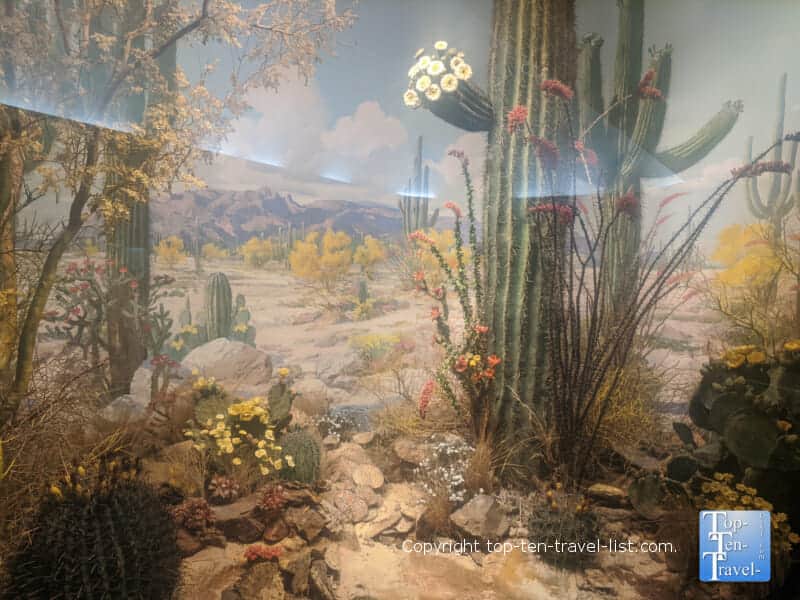
This exhibit features 23 dioramas depicting wildlife of North America, with a special section dedicated to Western Pennsylvania. As many museums today are getting rid of dioramas, this might be the last time you get to see this realistic recreation.
Hall of African Wildlife
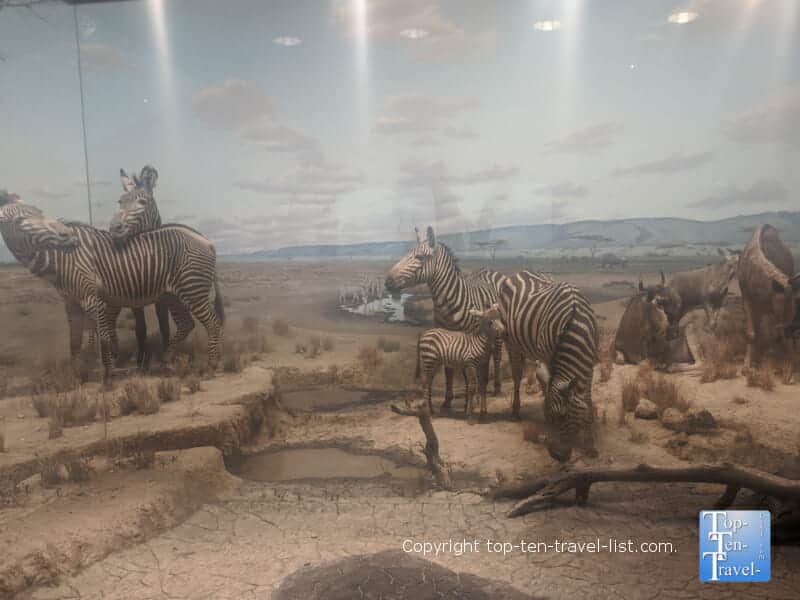
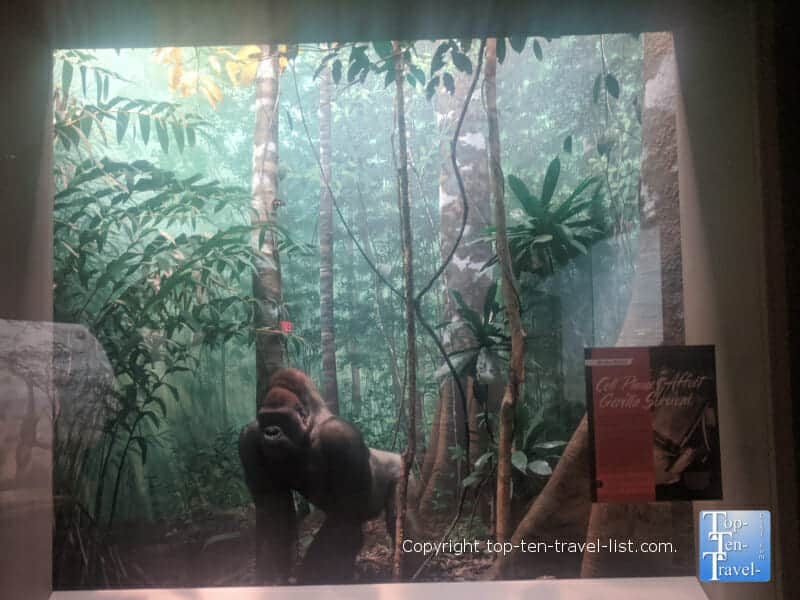
View 12 scenes from Africa via detailed dioramas. Habitats represented include desert, mountain, savanna, and rainforest.
Hall of Botany
Explore the variety of plant life found in North America via realistic dioramas. A special section highlights plant life of Western Pennsylvania. As a nature lover, I really loved seeing plants from around the country.
Polar World: Wyckoff Hall of Arctic Life
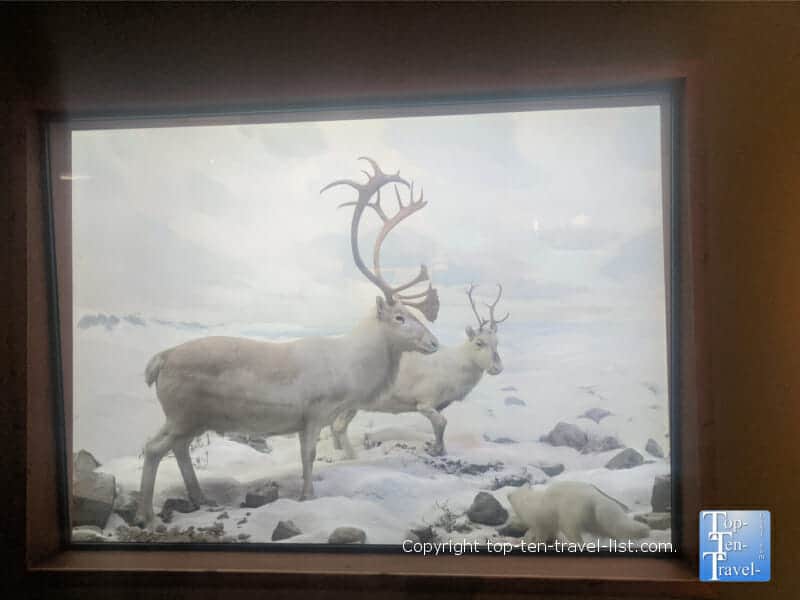
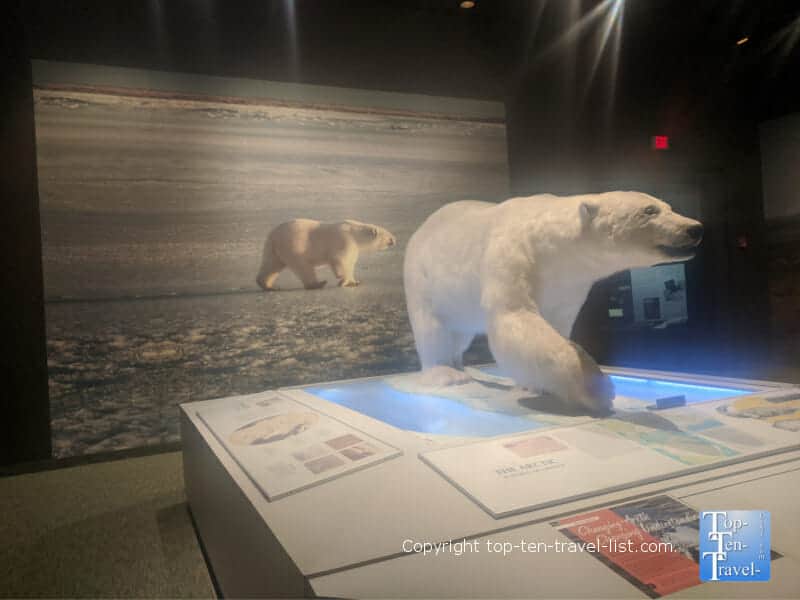
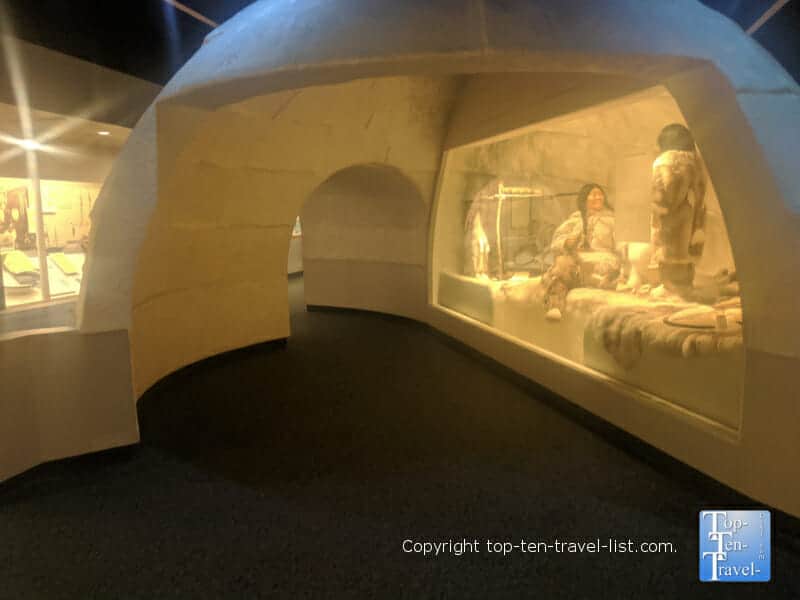
The dioramas featured in this section of the museum spotlight arctic mammals. In this exhibit, you will learn more about how the Canadian Inuit adapted to a harsh life in the arctic. Realistic dioramas featuring native mammals, an igloo replication, sculptures, and info on the whaling industry of the 30’s and 40’s take you back in time. This exhibit room is nice and cool and a great escape on a hot, humid summer afternoon.
Learn more about Carnegie dioramas
Alcoa Foundation Hall of American Indians
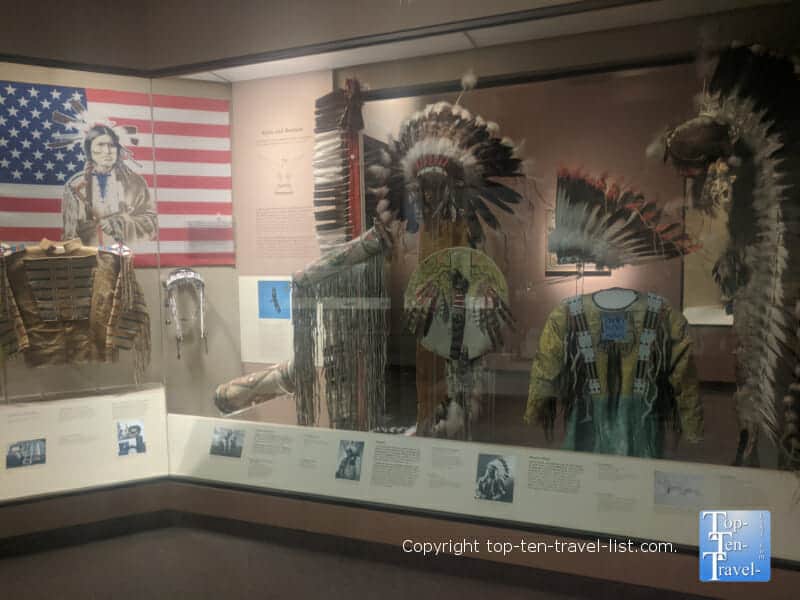
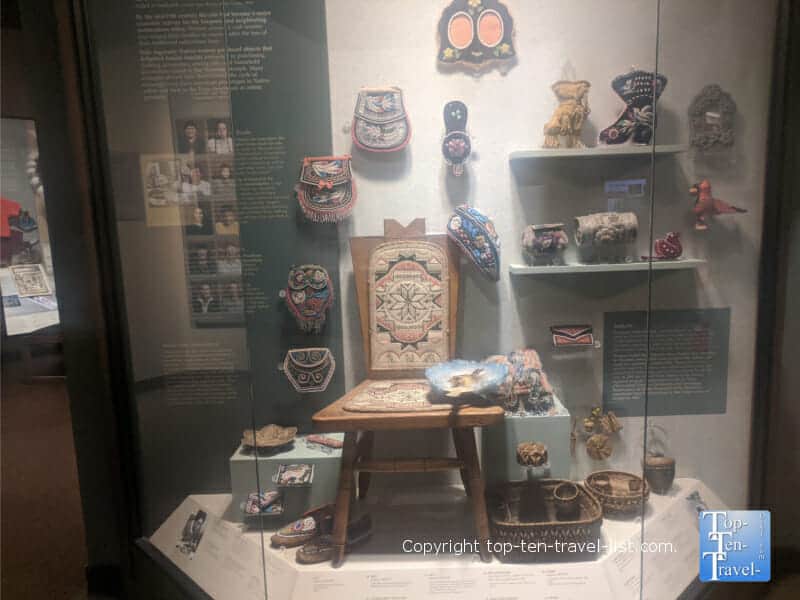
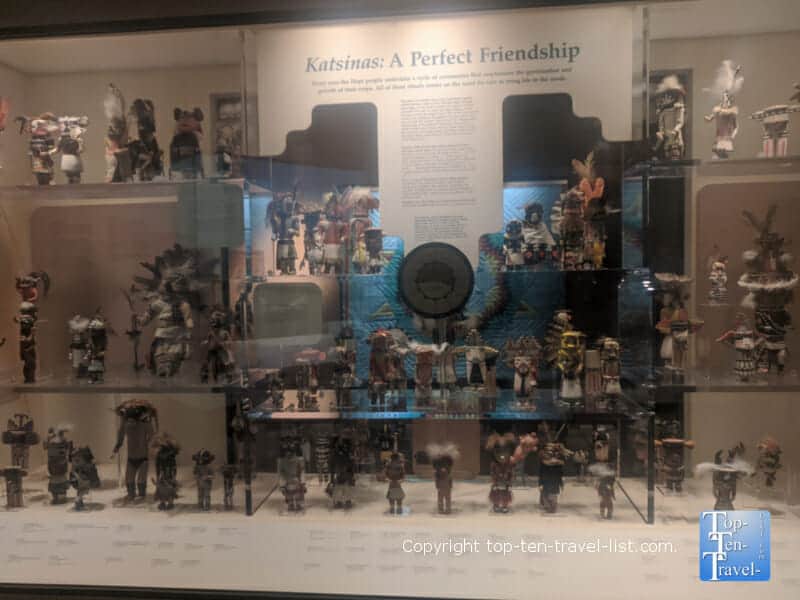
Explore 4 different Native American cultures via a variety of informative exhibits. On display, you will discover more than 1000 artifacts (including garments and artwork) of the Tlingit of the Northwest Coast, Hopi of the Southwest, Lakota of the Plains, and Iroquois of the Northeast. In the early 1990s, the museum worked with Indigenous advisors to create this unique and detailed exhibit. 50 Native people shared their historical and cultural knowledge, unique experiences and belongings, and artwork to make the exhibit what it is today.
Walton Hall of Ancient Egypt
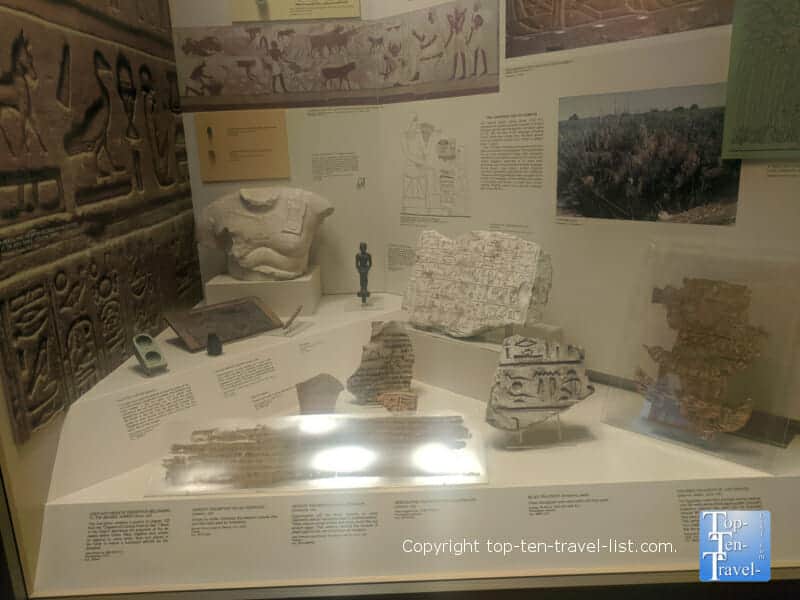
I have always been fascinated by anything to do with Egypt and I love visiting museums for this reason alone. At the Carnegie museum, you will get to see over 5000 ancient Egyptian artifacts. The collection includes 1,132 objects from the Egypt Exploration Society (EES), as well as purchases from private collectors. I am personally enchanted by the strangeness, creepiness, and mysticism of Egyptian culture. If you are too, then you will enjoy reading about ancient Egyptian rituals, mummification, and other odd, yet fascinating cultural practices.
Carnegie Museum of Art
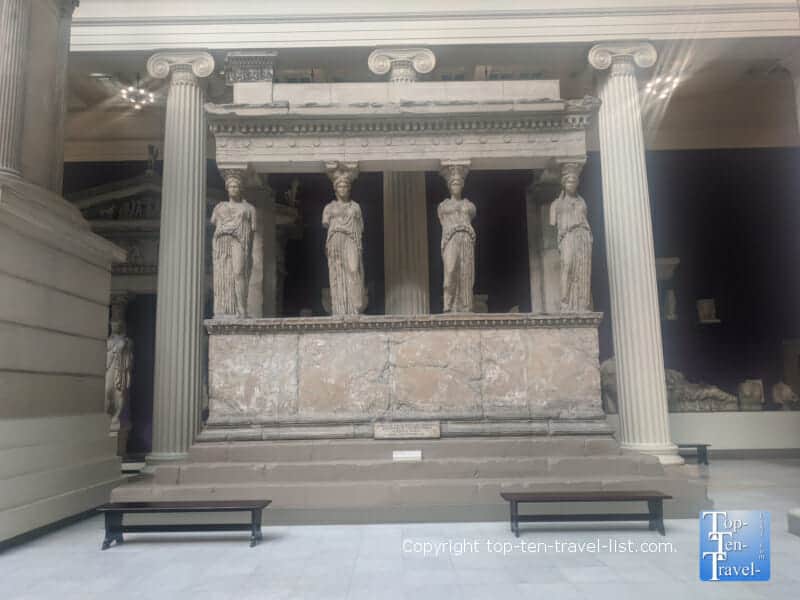
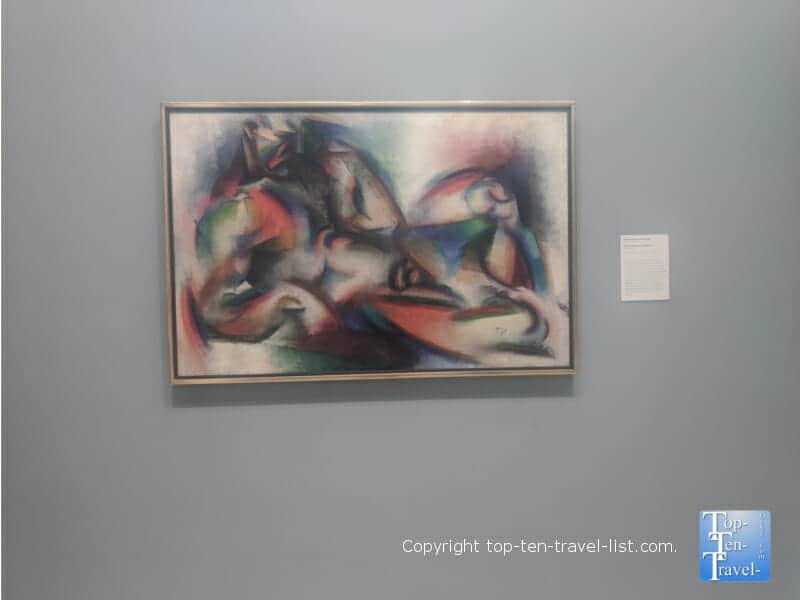
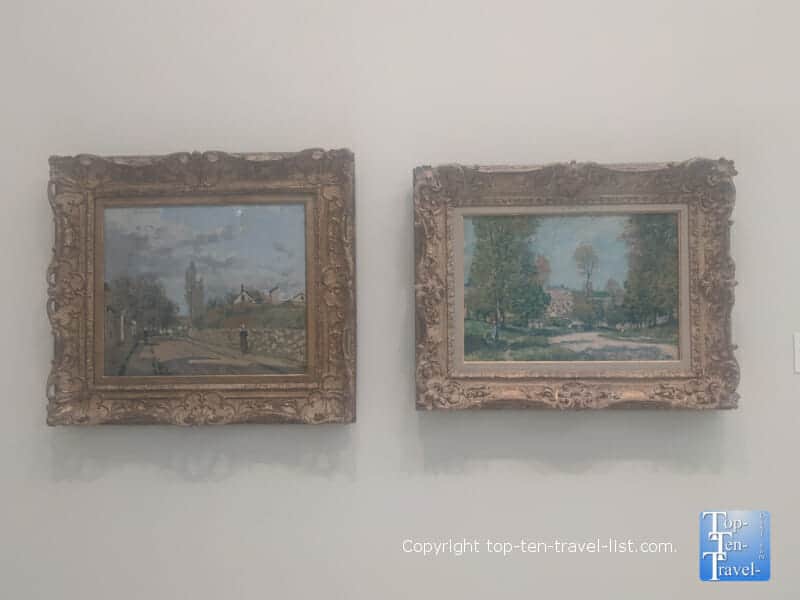
Your ticket to the Natural History Museum also includes admission to the impressive Carnegie Museum of Art. This is a great deal as you get to visit both for one low price. Plus, no need to find additional parking or carve out extra time for driving! Interestingly, this museum is billed as the first contemporary art museum in the US. While the main focus is contemporary art, the museum spotlights more than 30,000 objects through various means of artwork including sculpture, paintings, drawings, photographs, and video.
Location, Admission, and Parking
Address: 4400 Forbes Ave.
Hours: 10am-5pm (8 on Thursday).
Admission: $25 adults, $20 senior, $15 students and kids 3-18. Pricing current as of 2025.
Discounts: Receive 50% off admission after 3:00 any weekday by using promo code after3 at checkout.
Free days: If you are a Bank of America cardholder, plan your visit on the1st full weekend of any given month. Cardholders receive free entry as part of the B of A Museums on US Program. Really a great value as you save admission on dozens of museums throughout the US. Look into the program to see what other museums are included. I use this deal a lot where I live and also whenever I travel. In Pittsburgh, I enjoyed regular admission each month to both Carnegies, as well as The Warhol.
Parking: $7 flat fee for museum lot. Metered parking available in nearby Schenley Park. Note that parking is priced per hour, which may be cheaper depending on how long you intend to stay.
FAQ
How long will it take to walk around?
I would plan on at least an hour or 2 for the art museum and another hour if you plan on browsing the history museum.
Is there any free parking?
Yes, free side street parking is available on the weekends when the meters are not running. I can easily find a free spot if I arrive early enough.
I am limited on time. What should I put on my bucket list?
Most guests (especially those with kids) really love the dinosaur exhibit. Most adults love the Hall of Gems and Minerals, although kids tend to get bored with this section. The attached art museum is a must, with the Hall of Sculptures being the standout display here.
What food options are available?
There is a nice cafe on-site which serves lunch, plus a full coffee bar. In addition, there are a number of great local coffeeshops in the area if you want to grab a cup of joe and pastry prior to your visit. My favorites include: Commonplace Coffee and La Prima Espresso.