The Best Hiking Tips
Disclaimer: We are not paid to promote any restaurant, hotel, activity, product, or attraction. All opinions are subjective and based on our personal experience. Your experience may be different.
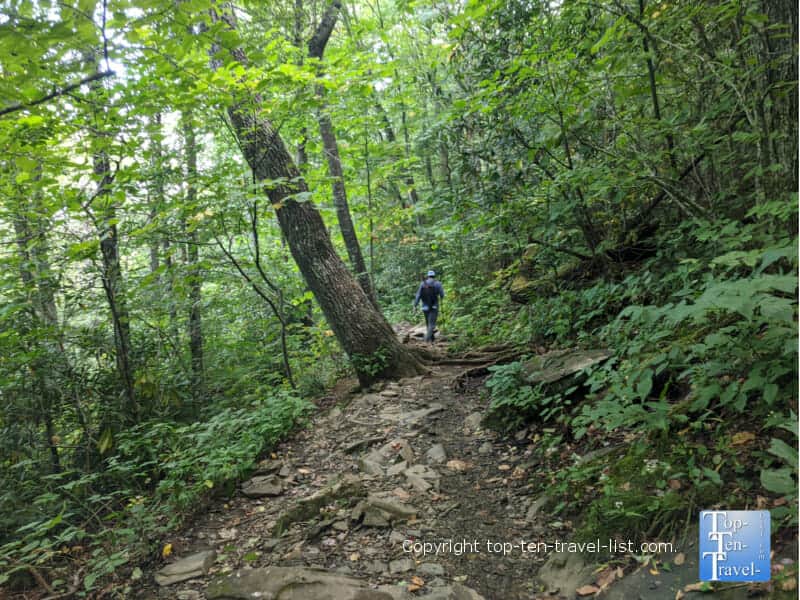
Hiking is one of the best activities to incorporate into your vacation. Not only does it allow you to explore a beautiful area of the country that you might otherwise not have seen, it is also free (or at least cheaper than a man made attraction), an excellent workout, and a perfect opportunity for photography. I try to plan my vacations around beautiful national and state parks.
Hiking gives you a feeling of accomplishment and a new appreciation for the outdoors. Spending time outdoors on your vacation will give you the opportunity to take a break from technology and the everyday hustle and bustle. Next time you are planning a trip, I recommend looking into areas located by a national, state, or even local park or preserve. Each area of the country offers its’ own unique hikes and nature walks. I’ve enjoyed great trails all over the country, from the flat swampy preserves of Florida, to mountainous all day adventures in high altitude mountain areas.
Listed below are a few of my best general hiking tips, along with some special tips for summer and winter hikes.
Tips to keep in mind
*Bring with plenty of water. A water hydration backpack works well for any type of hike. There are many different varieties which hold from under a gallon to several gallons, depending on how long you plan to hike. This backpack came in handy while I was hiking longer trails like the South Kaibab at the Grand Canyon and many of the high altitude hikes around Flagstaff.
*Use a fitness watch to keep track of time and distance. You do not want to overexert yourself. It is much easier to hike when you know how far you have gone as a mile seems much further when you are trekking uphill. Tracking your distance will allow you to make adjustments (such as turning around early). The Garmin Forerunner is an excellent watch which I use for just about any activity including jogging and biking. I also like the Fitbit Inspire 3.
*Wear a backpack and pack plenty of snacks, especially if you will be out for more than a few hours. Camelbaks usually come with a few small pockets if you prefer to avoid a full backpack. Trail mix, raisins, and pretzels are perfect as they won’t melt during the hotter summer months.
*Hike in groups for increased safety. Also, many trails have a sign in sheet which is a good idea in the rare case of getting lost or injured so search and rescue can get on the case right away.
*Bring with a travel first aid kit. You can never be too prepared especially when out in the wilderness.
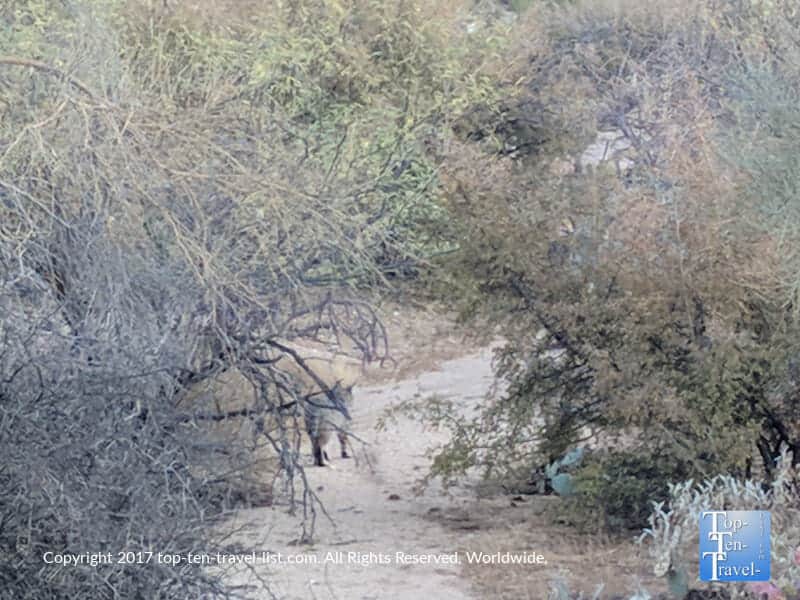
*Be prepared for possible wildlife encounters. Be sure to research how to handle various wildlife encounters, especially in the case of bears and mountain lions. Here is a great article from the NPS on what to do in case of a bear encounter.
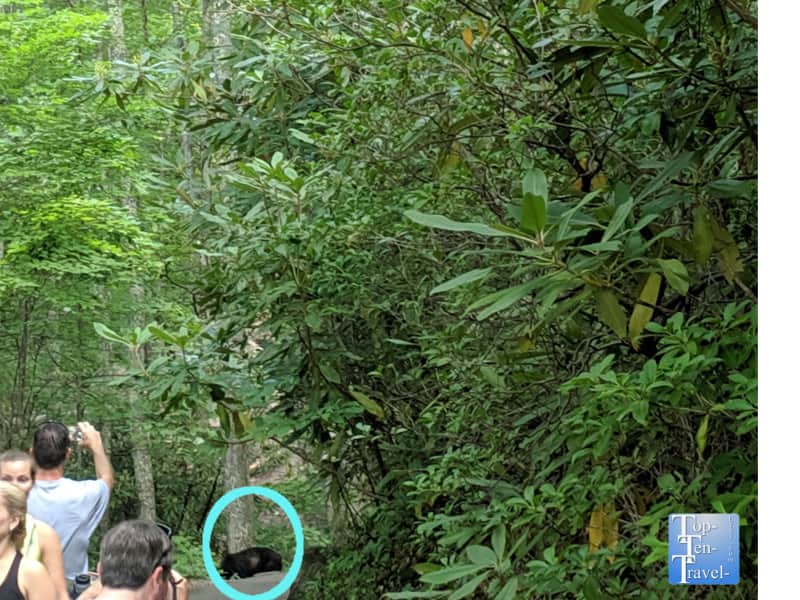
*Leave early in the morning to give yourself enough time before dark. You never want to start your hike too late and risk getting stuck in the woods after sunset. Always pack a flashlight just in case.
*Pick up a trail map. You will want to have it with you at all times in case you get lost. Usually, you can find a brochure in the park office, near the start of the trail, or even online.
*Bring with a compass just in case you get lost. I keep mine in my backpack at all times.
*Tell family and friends where you will be just in case something happens and people know where to find you.
*Schedule a guided ranger led hike, especially if heading out to an area known to have a large grizzly bear population like Yellowstone and Glacier National Park.
*Check all park alerts before heading into the park. Updates will usually be available on the park’s webpage. You will want to check for trail closures, special weather alerts, road closings, and more.
*Invest in a nice pair of hiking boots with good traction. While gym shoes are okay for most hikes, they will just not cut it for more rugged, rocky climbs. I like Columbia cross training boots which are lightweight but still provide good traction.
*Research the park’s plants and wildlife in advance so you know what to expect. Take necessary precautions and be prepared. It is a good idea to carry bear spray if you are in an area known to house an active bear population.
*Invest in a nice camera bag to protect your equipment. A backpack camera bag makes it easier to hike as opposed to slinging the camera over one shoulder.
*Plan your hikes based on terrain, not distance. 4 miles may seem like an easy distance, however, a large uphill climb can make that 4 miles a much longer and more strenuous excursion.
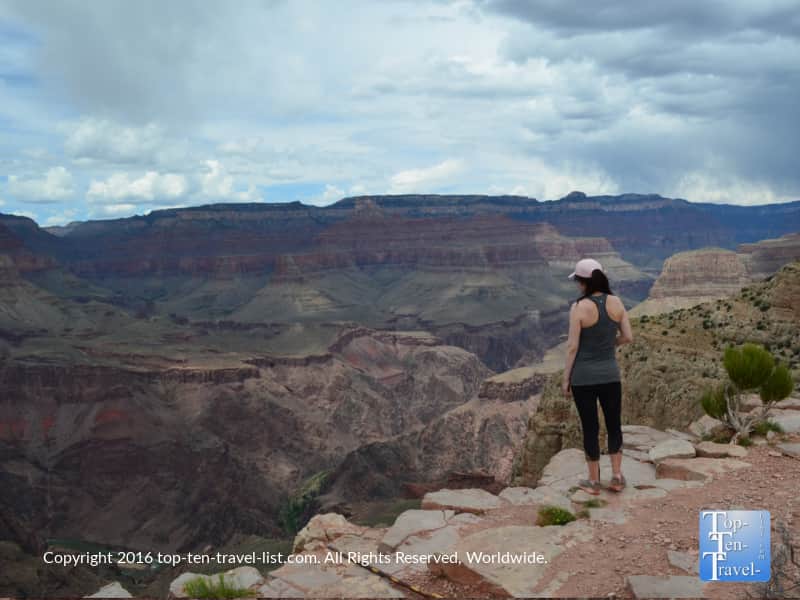
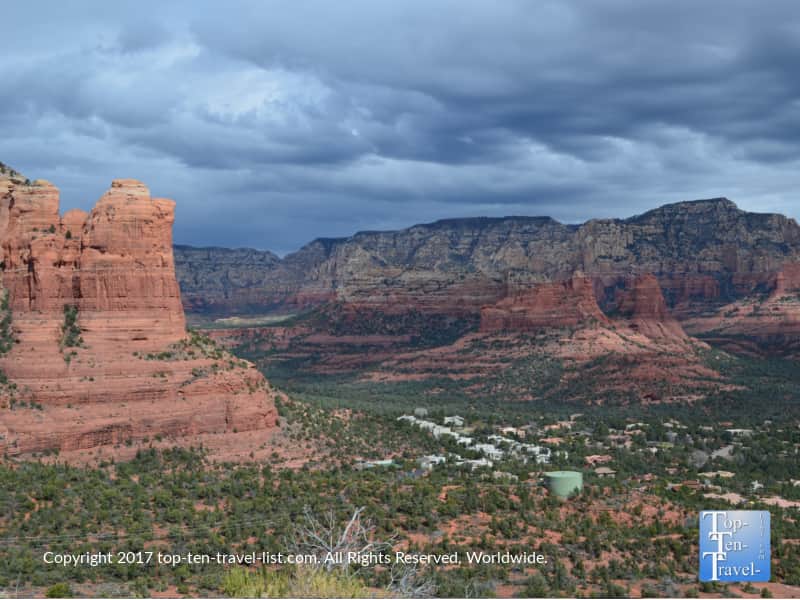
*Research trails with great overlooks. Having something to look forward to like an awesome view makes the hike much more motivating. Destinations like Sedona (pictured below) offer absolutely no shortage of stunning overlooks!
*Cover up and tuck your pants into your socks in areas known to have high tick populations. Lyme disease is on the rise.
*Hiking poles are a great idea as they can help you maneuver around, not to mention scare off a potential mountain lion attack.
Summer Hiking Tips
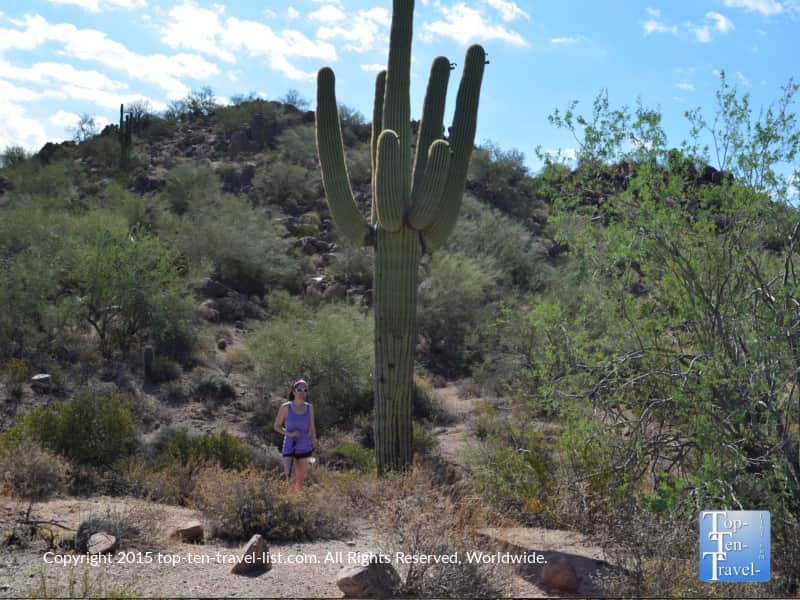
*Check the forecast for summer monsoons which are very common in Arizona. You don’t want to get caught in nasty weather. When I lived in the Tucson area, there was a monsoon almost every afternoon on the dot.
*Wear loose light fitting clothing. Do not overdress especially if the temperatures are already hot.
*Apply sunscreen before heading out and also bring with a bottle to apply again as needed. The mini bottles with the backpack clips are convenient.
*Wear a hat to shade yourself from the sun. Sunglasses are also a must.
*Use bug repellant especially in areas known to have a lot of mosquitoes. Being constantly bothered by mosquitoes can definitely end a hike early. Use a chemical free bug repellent bracelet as an alternative.
*Plan hikes early in the morning when temperatures are cooler. While living in the Tucson metro, I kept my hikes to under 2 miles in the summer and usually got on the trail well before 7. This is the only time of the day it is safe. I have heard a lot of stories about hikers dying of dehydration or electrolyte imbalances.
*Bring with a personal fan mister. These work really well for hot desert climates like Tucson and Phoenix. I also carry a frozen water bottle and pour it over my head as needed to cool down.
*Carry plenty of water and also an electrolyte replacement like Gatorlyte if you will be sweating a lot. I’ve heard numerous stories about tourists passing out in places like the Grand Canyon from sodium depletion.
Winter Hiking Tips
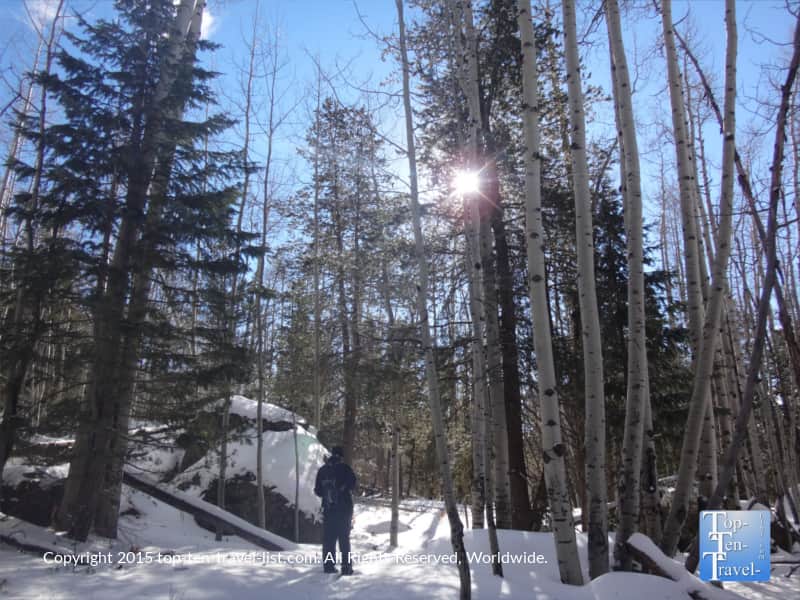
*Save your hikes for mid-morning or early afternoon when the sun is warmest. This will help warm you up a bit. Just don’t head out too late – remember that it gets dark much earlier.
*Don’t forget that you still need sunscreen in the winter months even if it is not sunny. Be sure to cover your face, especially at high elevation.
*Bring with plenty of water to hydrate yourself in the dry winter air. I also pack electrolytes packets if I will out for a longer time period or trekking uphill.
*Cover your extremities to prevent frostbite. You can always take your gloves off if you get too hot.
*Dress in layers. Although it may be brisk outside, you will start to warm up as you get moving. I usually wear a backpack and the I can stuff any extra jacket or sweater in as I heat up.
*Wear waterproof socks and hiking boots if trekking through the snow and ice. You can also buy special heated socks if your feet get cold easily.
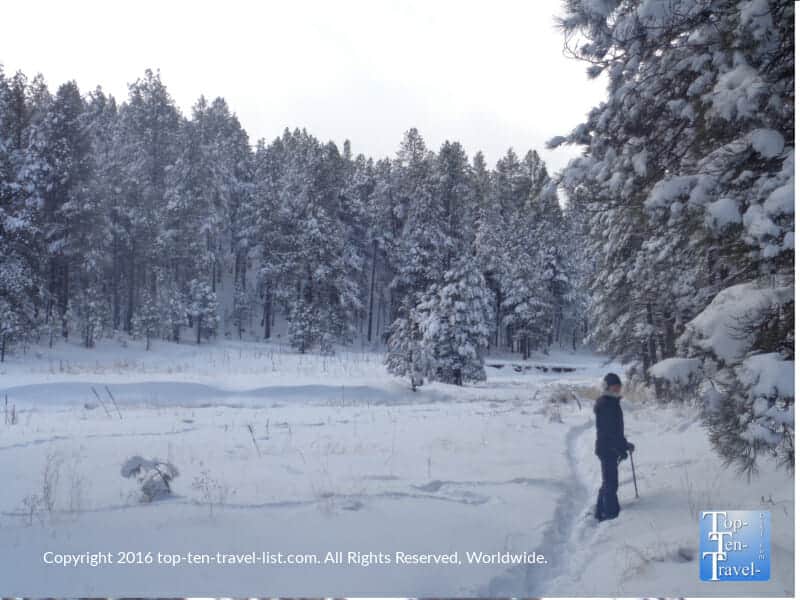
*Consider snowshoeing, an excellent winter workout which burns an enormous amount of calories. It’s fun, easy, and affordable. One of my favorite snowshoeing destinations was Flagstaff. The ski resort was home to several gorgeous trails which were perfect for a winter adventure. I loved trekking through the pines and aspens with the gorgeous mountain scenery in the background. Check sports stores for rentals or buy a pair on Amazon.