Glass Beach in Ft. Bragg, California: The Highest Concentration of Seaglass in the World
Disclaimer: We are not paid to promote any restaurant, hotel, activity, product, or attraction. All opinions are subjective and based on our personal experience. Your experience may be different.
Ft. Bragg Beach, located on the beautiful Mendocino coast, is home to the highest concentration of beachglass in the world. Sea Glass Beach, as it is nicknamed due to the vast quantity found, is a must-visit for any avid collector. It’s a great stop if you are taking a roadtrip along the PCH. I started collecting seaglass many years ago when I lived on a small island located off the coast of Maine called Islesboro.
One day, my sister and I were strolling the beach and a girl who vacationed to the island frequently asked us what we were looking for. We said snail shells. She told us the story of seaglass and how to find it, and the rest is history. Collecting treasured pieces of glass became my new hobby while stranded on the island. After relocating to Southern California shortly after (Mike was attending school at CSULB), we knew we had to take a drive up the famous highway. One of our stops was of course this beach to see if we could add to our collection.
A former dump site turned treasure trove
Because of its’ former history as the town’s trash dumping site, this beach is overloaded with glass. It’s crazy to think that the ocean was once used as a public dump. Because of this, an old ocean dump site like Fort Bragg is typically the best place to seek these beautiful naturally created gems. Thankfully, today we are more environmentally friendly and know the harmful impact of dumping such waste. Despite so many regulations today, you can still find beautiful frosty gems on beaches and lakes around the world as a result of widespread dumping practices common so long ago.
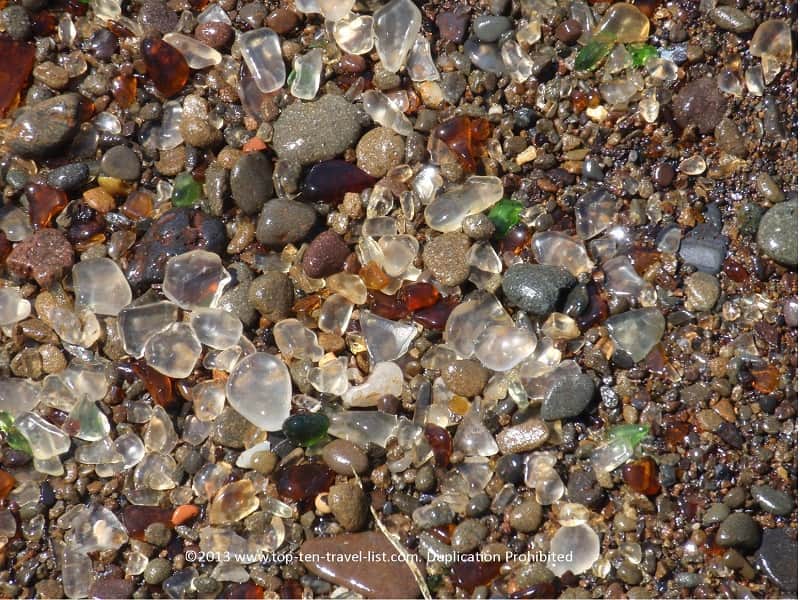
As you stroll around this gorgeous beach, you will see layers upon layers of the glistening frosted glass pieces. Although collecting is prohibited at this beach, it is still amazing to see so much glass in person. As a bonus, seal sightings are pretty common here (we saw several, but unfortunately didn’t get the camera out in time!).
What is Seaglass?
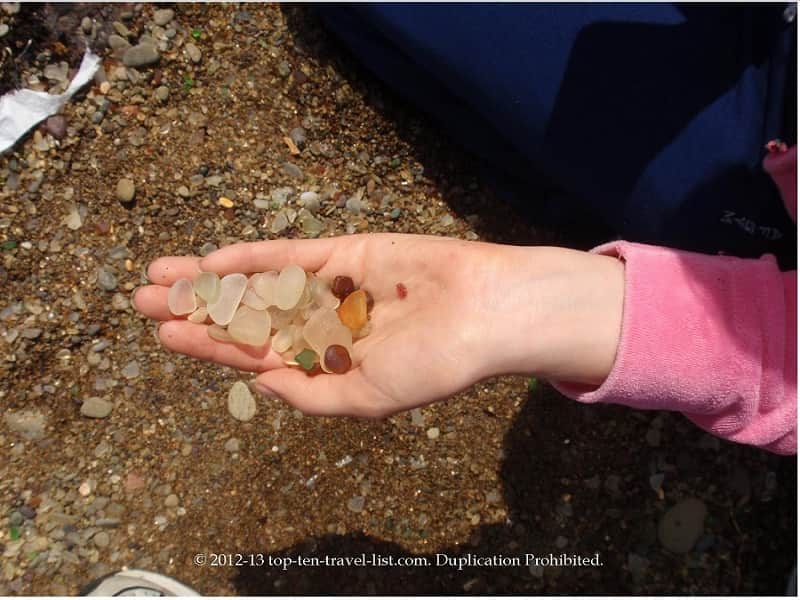
For those of you new to the term, Sea Glass is the name for the frosted gem-like glass pieces formed from old pieces of bottles/other forms of glass. I had never heard of the term until moving to a small island off the coast of Maine where collecting was a popular pastime amongst both locals and vacationers. The smooth texture of the glass results from years of tumbling. It’s hard to imagine that these frosty gems were once sharp broken pieces of a bottle. Some of the glass is especially valuable as it can be hundreds of years old! Oftentimes, you can make out sections of printed text on the glass.
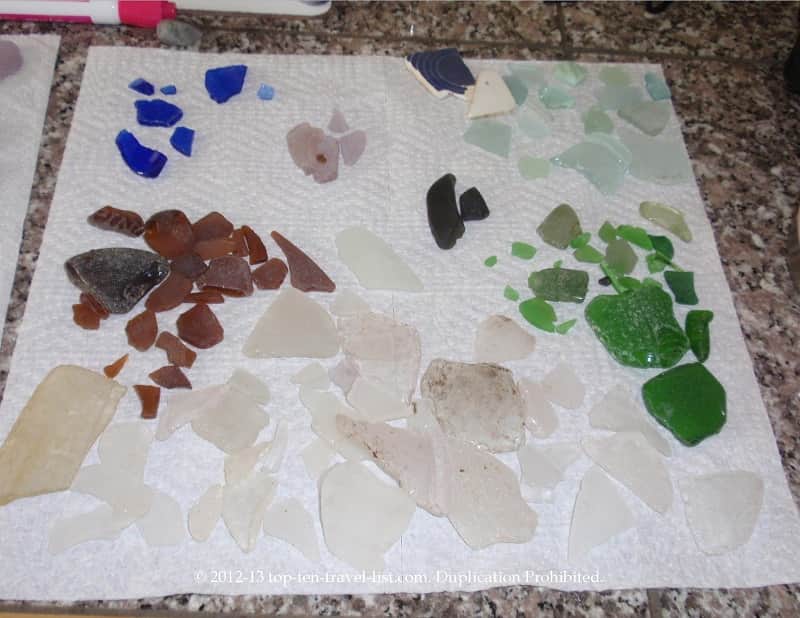
The most common colors found are: green, brown, and white due to the high concentration of beer bottles. If you are lucky, you may find pieces of lavender and cobalt blue. These are likely older pieces of glass, and thus, are much harder to find. Cobalt blue pieces are from old Milk of Magnesia and Noxema bottles, which date back to the early 1900’s. In Maine, I found numerous cobalt blue pieces with a portion of the text still legible on the glass. At Ft. Bragg, you will mostly find brown, white, and green. While the colors are a bit ordinary, I was absolutely stunned by seeing layers and layers of glass which basically covered the sand.
Low tide after a storm is ideally the best time to search. Here is an interesting article you can read by the International Seaglass Association on how to tell the difference between real and fake pieces. Unfortunately, many of the pieces you find in gift shops are not real. Sometimes, I have to look really closely as blue and green plastic pieces trick me.
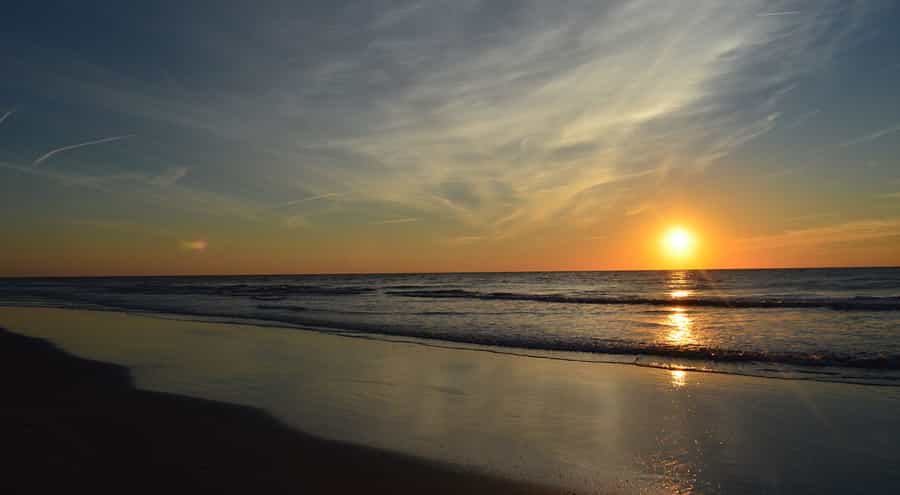
The beach is gorgeous too!
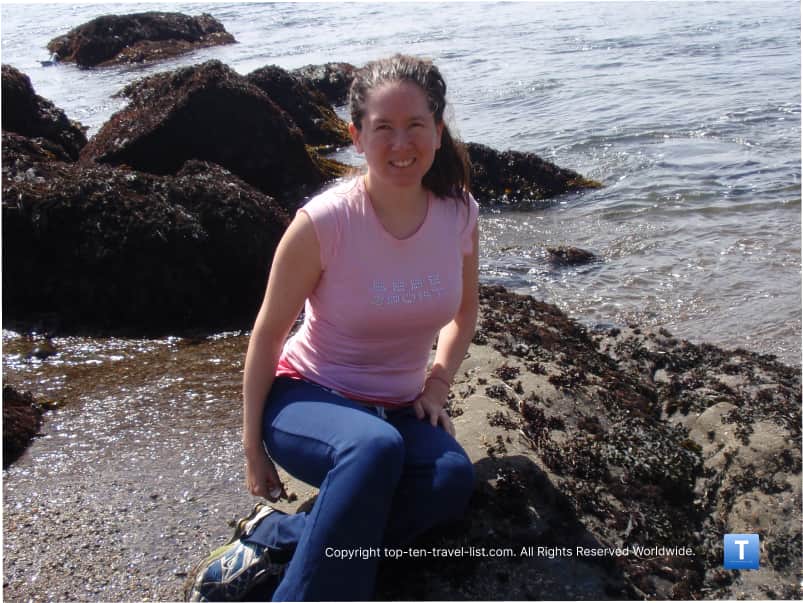
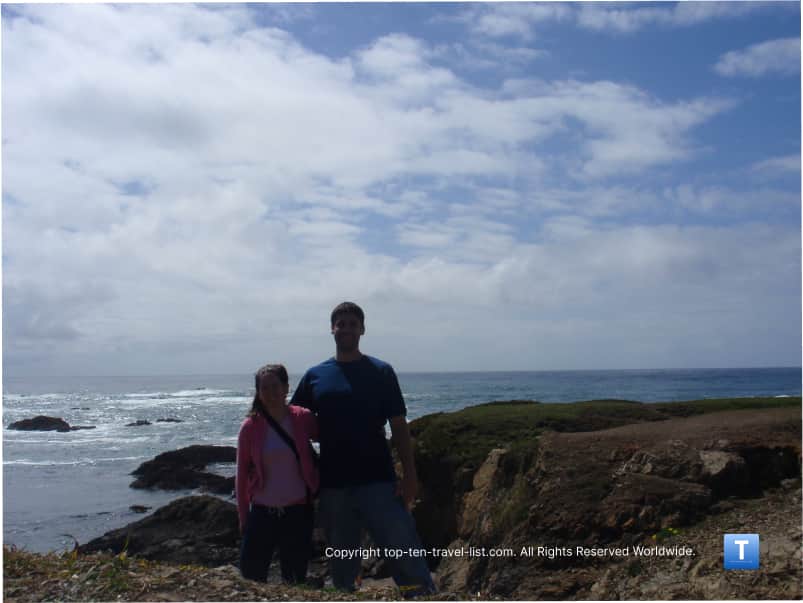
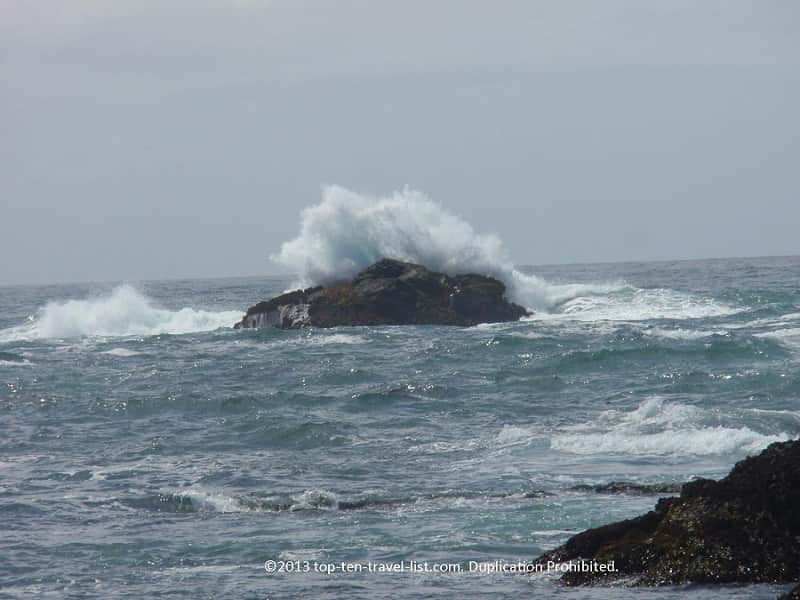
Beautiful glass aside, the beach is also a great place to wildlife watch, take photos, and just enjoy nature. It was a nice break after a long drive on the PCH/Hwy 101. If anything, a good detour to stretch your legs, grab something to eat, etc.
Directions: This beach is located at Elm St & Old Haul Rd in Ft. Bragg. Free parking is available along the side streets.
Tip: Check the estimated high/low tides before heading to the beach.
As I mentioned earlier, collecting is illegal.
Update 2025: Since writing this post, I have collected glass at so many amazing beaches.
A few hotspots I recommend adding to your itinerary include:
- Lake Erie: Lake Erie is a wonderful place to find small, but colorful glass pieces. Many factories were once located along the water and dumping was common. Edgewater and Huntington Reservation are my personal favorites.
- Scusset Beach: This gem is located in southeastern Massachusetts n the Cape Cod region. I was a surprising variety here including my most tumbled piece yet. A wonderful bike trail called the Cape Cod Canal starts here too. I recommend combining both activities for a nice summer day out.
- La Jolla Cove: A surprising find near San Diego. More known for its’ sea lion sightings, I was pleasantly surprised to find, a small but colorful selection.
- Monterey Beach: Another great stop along the PCH drive. I found a few colorful pieces here and there.
What to do with you treasures
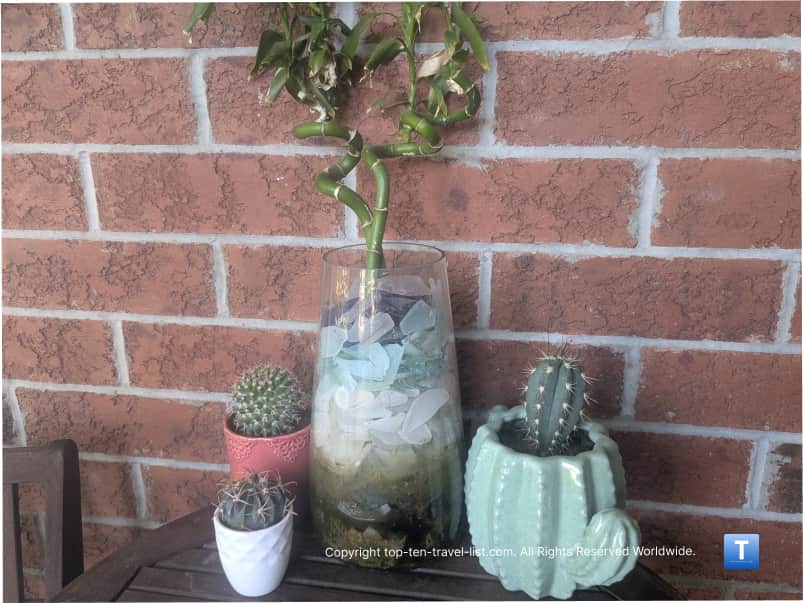
The beautiful gems can be used for craft projects or even sold as jewelry. I like to make picture frames and ornaments with my collection (the perfect homemade gift idea!). I also enjoy displaying it throughout the house in various glass vases. It just proves that sometimes the most worthless trash can be transformed into a treasure.
Note that all this glass came from other beaches in Maine and Massachusetts. You can’t take any glass from Fort Bragg – it is illegal.